









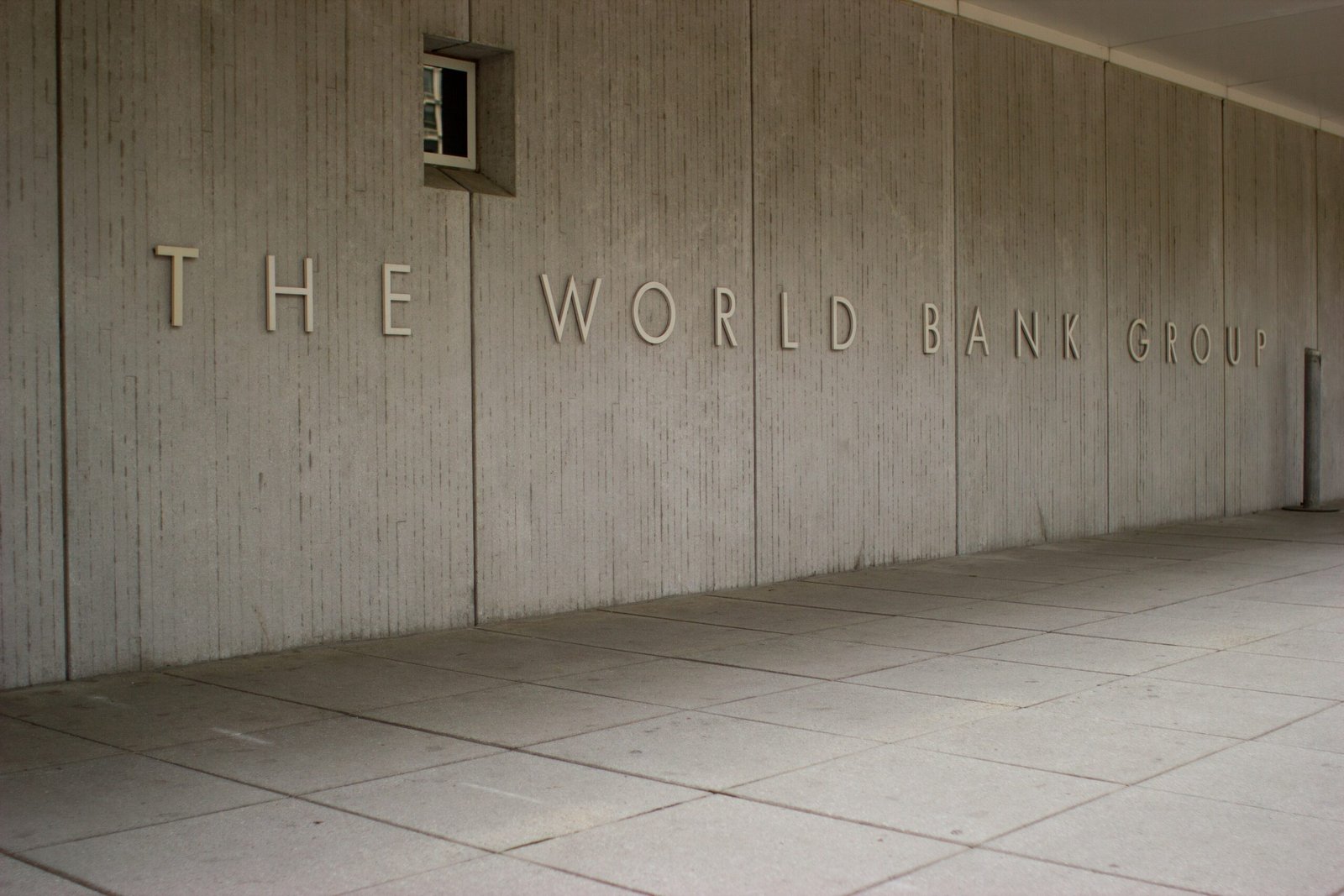
The external debt of low- and middle-income countries surged 5.5% to a record $9.4 trillion in 2025, the World Bank said on Thursday, the largest annual increase since the borrowing surge that followed the COVID-19 pandemic.
In its annual International Debt Report, the Washington-based lender said the jump threatened to crowd out essential investment in education, infrastructure, health and jobs, as governments spent more servicing old loans and less on the services their people need.
The poorest countries bore the heaviest cost. Those eligible for low- and zero-interest loans under the International Development Association paid an average of 8.2% on new private-creditor commitments — the highest rate since 1989 — and 9.4% on new bonds. By contrast, countries outside the IDA paid an average of 5.5% on new bonds, down from 5.8% in 2024.
Borrowing from private creditors and bond issuance by public entities rose by nearly 35% to $251 billion, the highest level in five years. External debt grew fastest among IDA-eligible countries, rising 8.1% to $1.3 trillion.
“The return of private lending to low- and middle-income countries is welcome, but these countries are borrowing more, paying more, and in many cases leaving less for long-term development,” said Haishan Fu, the World Bank’s chief statistician. “Managing debt responsibly means giving everyone — including future generations — a chance to thrive.”
In total, developing countries paid $1.4 trillion in principal and interest in 2025, the fifth consecutive annual increase. Payments to private creditors rose 13.7% to $363 billion. Between 2022 and 2025, developing countries paid $436 billion more in debt service than they received in new financing, although the balance turned in 2025, with a net inflow of $45 billion.
The dollar’s sharp depreciation added to the burden. The weaker dollar accounted for more than 28% of the increase in developing countries’ debt, raising the dollar value of debt denominated in other currencies, and several of the largest borrowers from reduced-interest facilities saw their debt stocks rise despite continuing to service their loans.
Borrowing has continued into 2026, the report said, with demand rising despite the high costs. By mid-August, more than 10 countries had already exceeded their full-year 2025 issuance, while several others returned to international markets. Many governments issued new bonds to buy back maturing debt, extending repayment profiles, often at higher interest rates and without significantly reducing debt stocks.
The Bank warned that higher debt service costs could mean weaker investment, fewer opportunities and greater vulnerability to shocks, adding that countries with heavier debt burdens tended to see more people unable to afford a healthy diet when external shocks hit. It called for greater transparency around debt arrangements, stronger standards and efforts to close data gaps, noting that new creditors, instruments and guarantees can make it harder to understand a country’s full exposure.
Sources: Reuters, “Developing countries’ external debt hit record $9.4 trillion in 2025, World Bank says” (5 November 2026) — https://www.reuters.com/business/developing-countries-external-debt-hit-record-94-trillion-2025-world-bank-says-2026-11-05/ ; World Bank, International Debt Report 2026. All figures are from the World Bank’s report as reported by Reuters.