


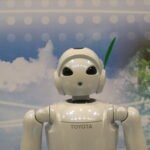





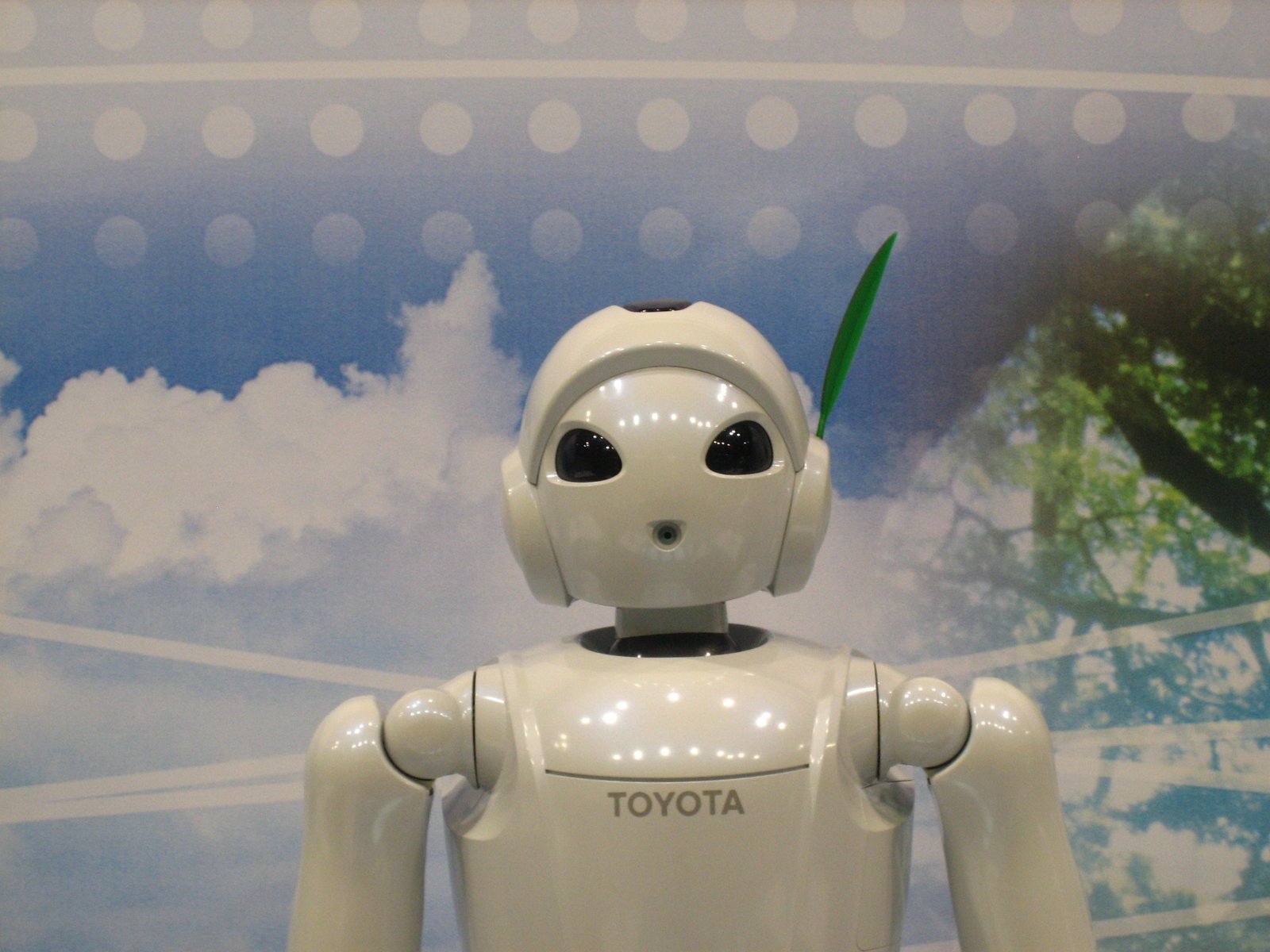
Toyota has made its biggest move yet beyond the car, announcing a dedicated robotics business that will turn two decades of research into products it can sell.
The world’s largest carmaker said on 5 November that it will create a company-wide organisation called Toyota Robotics, taking effect on 1 January 2027. The unit will be led by Takefumi Shiga, Toyota’s operating officer and chief production officer, and will pull together robotics expertise, personnel and functions that are currently spread across the company.
Toyota described robotics as “a key pillar of its future business” and said the new organisation would accelerate the practical application, commercialisation and deployment of robots. In its announcement, the company said it aims to introduce robots into society “not as machines that take away people’s jobs, but as partners that stand alongside them and expand their potential”.
The move puts Toyota squarely in the race with Tesla and a fast-growing field of Chinese robotics firms. The Financial Times reported on 25 October that Toyota was taking on Tesla and China in the humanoid robot race, and Toyota has been building towards this moment for years: it unveiled the humanoid T-HR3 in 2017 and, in August 2025, its research arm began joint work with Boston Dynamics on the Atlas humanoid and large behaviour models for robots.
Reports have also put Toyota’s factory automation plans at about 400,000 robots, backed by roughly $6.4 billion of annual spending, but Toyota itself has not confirmed any deployment volumes or launch dates, and those figures should be treated as unconfirmed.
The robotics announcement came alongside a strong set of results. Toyota raised its full-year operating income forecast by 15% to 3.9 trillion yen, after operating profit rose 9.2% year on year to 2.2 trillion yen ($14 billion) in the July-to-September quarter and revenue climbed 9.5% to 27 trillion yen. The company also said it would allocate up to 14 trillion yen for shareholder returns through March 2031.
Investors were less impressed. Shares fell nearly 5% to 3,370 yen on 6 November, giving back part of the 17% jump on the day of the announcement, as the wider sell-off in technology and artificial intelligence stocks continued.
The challenge for Toyota is now execution. Humanoid robots remain an unproven commercial market, and the company has yet to show that its research lead can become products customers will pay for. But with a dedicated unit, a named leader and a public commitment to commercialisation, Toyota has signalled that robots are no longer a side project — they are a second business.
Sources: Reuters — “Toyota robots reboot its China battle plan”, https://www.reuters.com/commentary/breakingviews/toyota-robots-reboot-its-china-battle-plan-2026-11-06/ ; American Machinist — “Automaker Centralizes Robotics in New Corporate Strategy | Toyota Robotics”, https://www.americanmachinist.com/automation-and-robotics/news/55417158/automaker-centralizes-robotics-in-new-corporate-strategy-toyota-robotics