








President Donald Trump said on Thursday that he would soon decide whether to resume all-out war on Iran, after his first national security meeting on the conflict since the midterm elections.
Speaking to reporters in the Oval Office after signing a proclamation, Trump said the administration had reached the point of decision on a war that began on 28 February, when the United States and Israel launched Operation Epic Fury. “Now we will make a decision,” he said. “Do we want to go further and just certify it — by certifying it, meaning it will never happen again?”
“I would rather not destroy the rest of the country if possible, but maybe I’ll have to. You’ll know soon enough,” he added. “We’re locked and loaded. If we have to do the rest of the Iran thing, we’re very much locked and loaded.”
The meeting, held inside Trump’s weekly intelligence briefing and reported by Axios citing two US officials, was his first discussion of Iran with senior advisers since Democrats swept both chambers of Congress on 3 November. According to Axios, three options are on the table: a return to major combat operations to finish destroying Iran’s nuclear programme; continued economic pressure through the naval blockade and sanctions; or a negotiated settlement requiring major concessions from Tehran.
Trump’s advisers are split. Vice President JD Vance and envoy Steve Witkoff are pressing for a deal — Vance has publicly blamed the war for the Republicans’ midterm losses — while Defence Secretary Pete Hegseth and Israeli Prime Minister Benjamin Netanyahu are said to favour resuming strikes. A third group, including Secretary of State Marco Rubio, Treasury Secretary Scott Bessent and CIA Director John Ratcliffe, backs holding the current course of pressure without either a deal or new strikes.
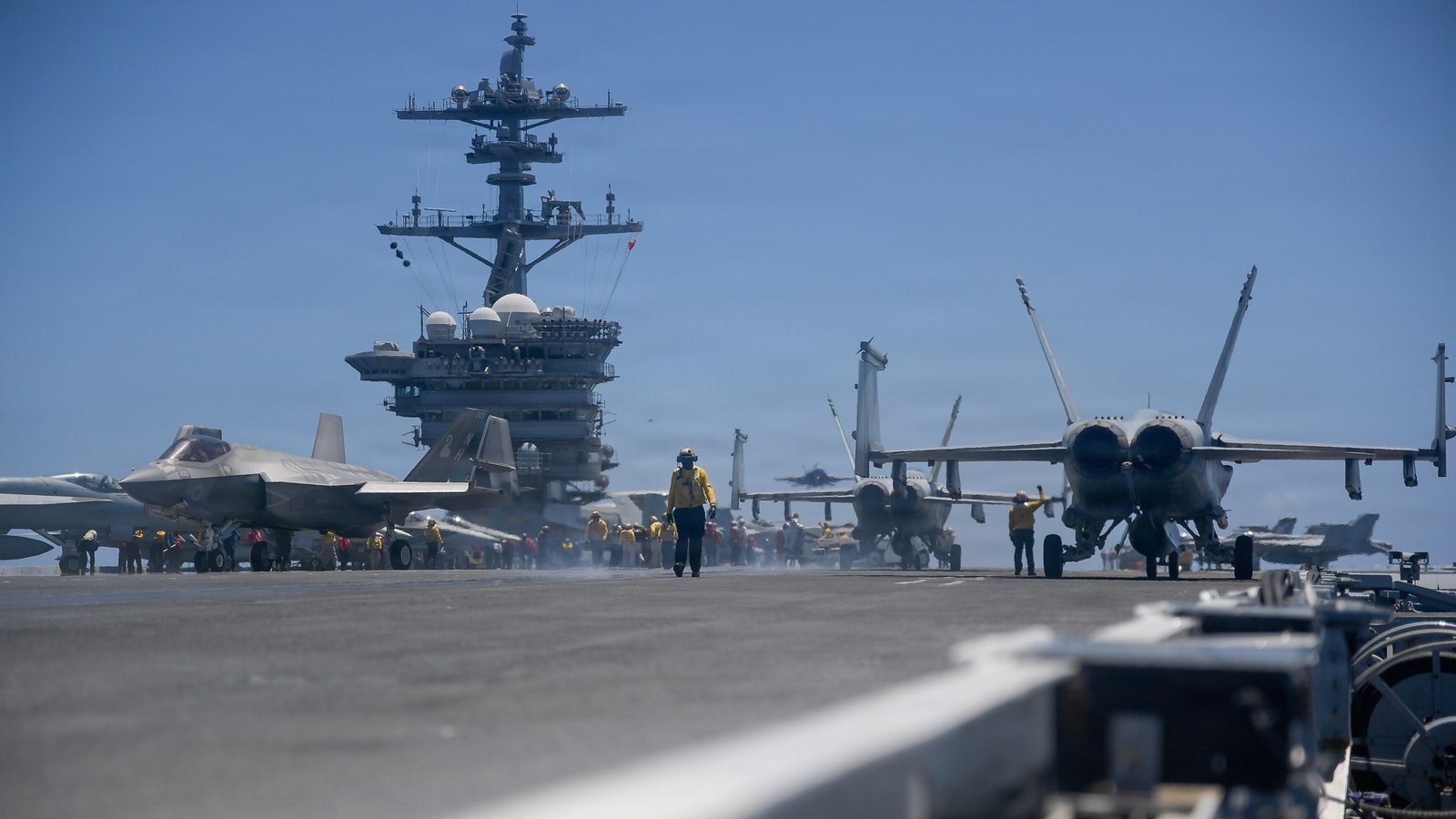
US Central Command is finalising preparations for a possible resumption of major combat operations, a US official told Axios, but has received no new directive from Washington. The USS Theodore Roosevelt strike group is stopping in Singapore from Friday and will not reach the Central Command area before mid-November, meaning the full weight of American naval power is not yet in place.
Diplomacy continues in parallel. Iran has sent Washington a nuclear proposal through Qatari mediators, a senior Iranian official told Reuters on 5 November, and Qatar has drafted a two-day sequence of confidence-building steps: the US would lift its blockade and release some frozen Iranian funds while Iran readmits International Atomic Energy Agency inspectors to bombed nuclear sites, followed by the reopening of the Strait of Hormuz and resumed talks. But Mohsen Rezaei, secretary of Iran’s Supreme National Security Council, set out seven conditions — including lifting sanctions, releasing frozen assets and reparations — and said there would be no reopening of Hormuz and no negotiations until they are met.
Satellite imagery analysed by BBC Verify shows Iran digging and rebuilding at the Garmdareh and Shahroud missile bases, with more than a dozen other struck sites under repair — evidence, hawks argue, that every month of pause lets Tehran undo the first campaign’s work.
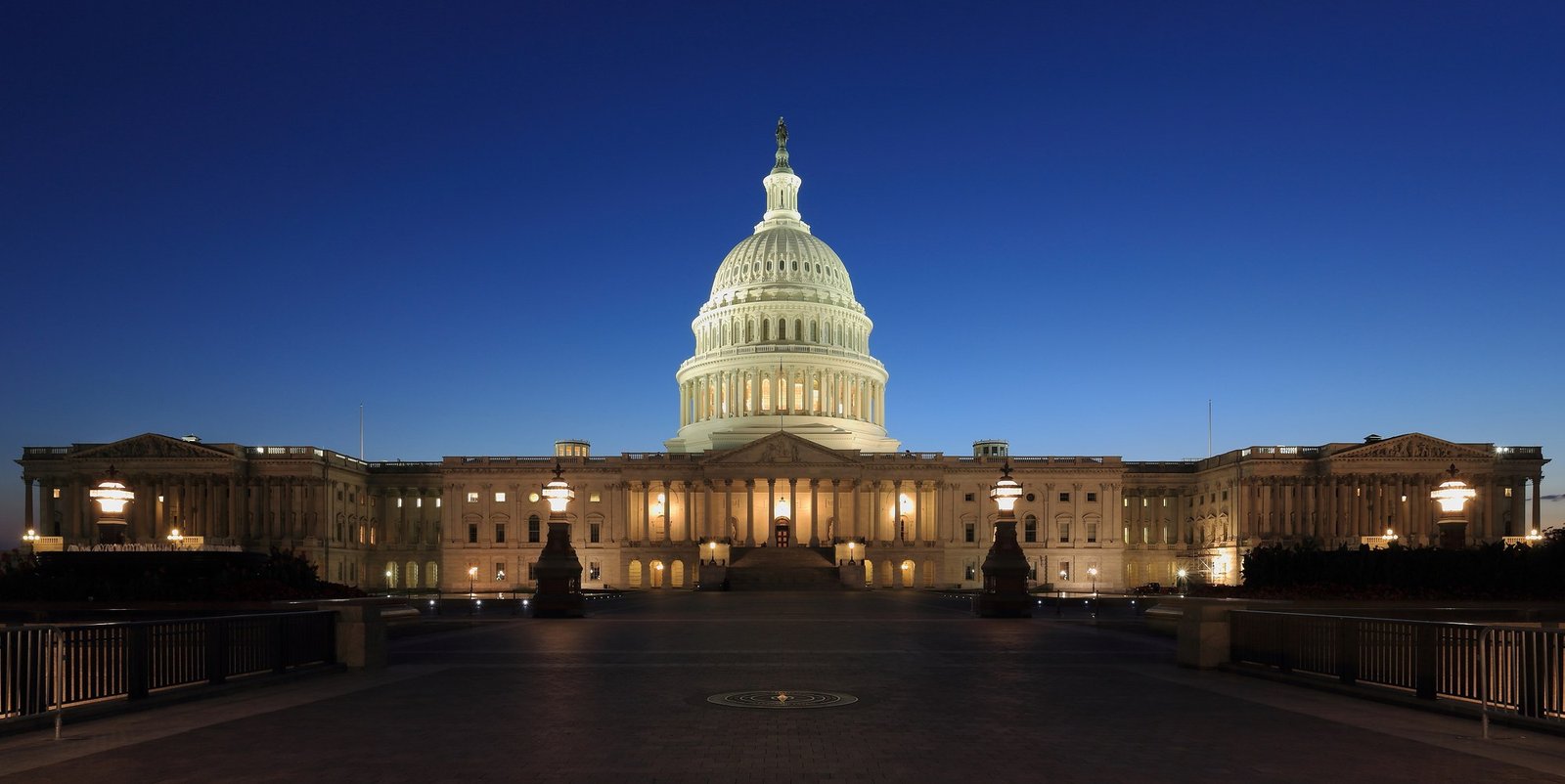
In Washington, Democrats preparing to take control of Congress are moving on the constitutional flank: Representative Gregory Meeks plans resolutions to terminate the war and restore Congress’s role in authorising it.
Note: key details of the national security meeting, the three options and the state of military preparations rest on Axios reporting citing unnamed US officials, and have not been independently confirmed by the White House. No decision has been announced and no new strikes have been ordered.
Sources: Axios (5–6 November 2026); Reuters (5 November 2026); Fox News (6 November 2026); CBS News (6 November 2026); BBC Verify (6 November 2026).