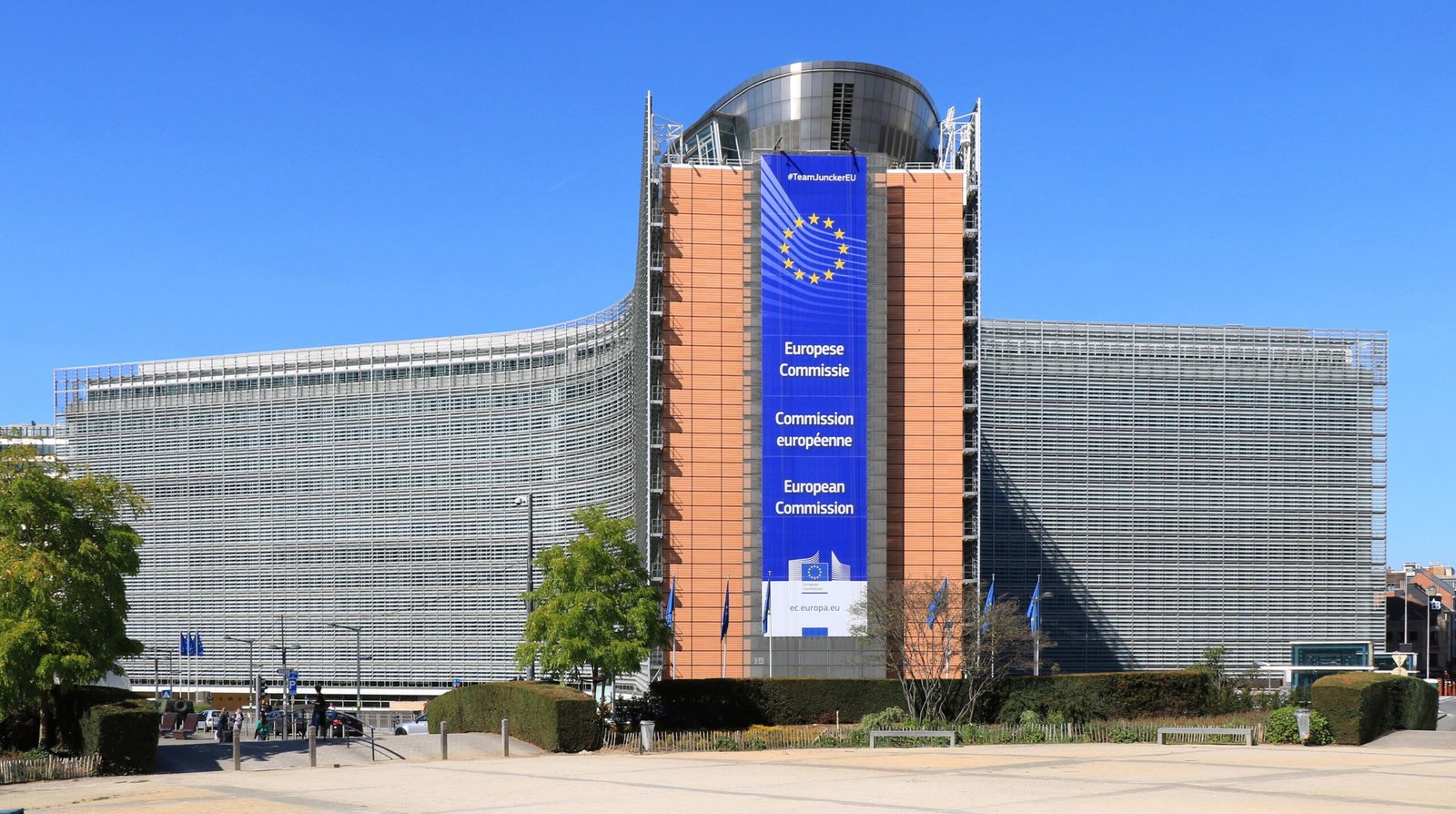










Brussels has set out its most sweeping attempt yet to clean up the tricks of the online economy, proposing a law that would ban manipulative “dark patterns”, force companies to let users switch off addictive design features, and fine offenders up to 6% of their worldwide annual turnover.
The European Commission published its draft Digital Fairness Act on Wednesday, 11 November. If agreed by EU governments and the European Parliament, the rules would apply directly in all 27 member states, replacing the bloc’s 2005 Unfair Commercial Practices Directive.
At the heart of the proposal is a blacklist of ten design practices that would be treated as unfair in all circumstances, so regulators would no longer have to prove harm case by case. They include false claims that a product is almost sold out, fake countdown timers, and designs that make it hard to cancel a subscription. Paid loot boxes — randomised in-game purchases — would be kept away from children.
The draft would also require platforms to offer users the option to turn off features designed to keep them scrolling and spending, such as infinite scroll and autoplay, and to make it as easy to cancel a subscription online as it was to sign up. Unavoidable fees would have to be included in the first price shown, and reminders sent before free trials end and contracts renew.
Influencers would have to be more transparent about commercial content, and the existing ban on targeting children with personalised advertising — currently limited to very large platforms under the Digital Services Act — would be extended to all websites and apps. The Commission would also gain stronger powers to investigate and fine companies, with penalties of up to 6% of global annual turnover.
Consumer protection commissioner Michael McGrath is steering the file. The Commission’s impact assessment estimates the rules could save consumers around €14 billion a year by reducing impulse buying and time lost to unfair practices, though that figure is the Commission’s own modelling and has not been independently audited.
The scale of the problem is well documented. A 2023 screening by EU authorities found manipulative practices on 148 of 399 online shops checked, including fake countdown timers on 42 of them. A separate Commission study cited by the consumer group BEUC found at least one dark pattern on 97% of the most popular websites and apps used in the EU.
The proposal is only the start of a long process. It must now be negotiated with the European Parliament and the Council, where measures can be changed, softened or dropped, and the rules would apply 12 months after the regulation enters into force. Big Tech firms, retailers and games companies are expected to lobby hard over the details in the coming months.
Sources: Reuters, “Brussels puts a price on Big Tech digital trickery“; European Commission, executive summary of the impact assessment; IAPP, “European Commission releases draft proposal for Digital Fairness Act“