








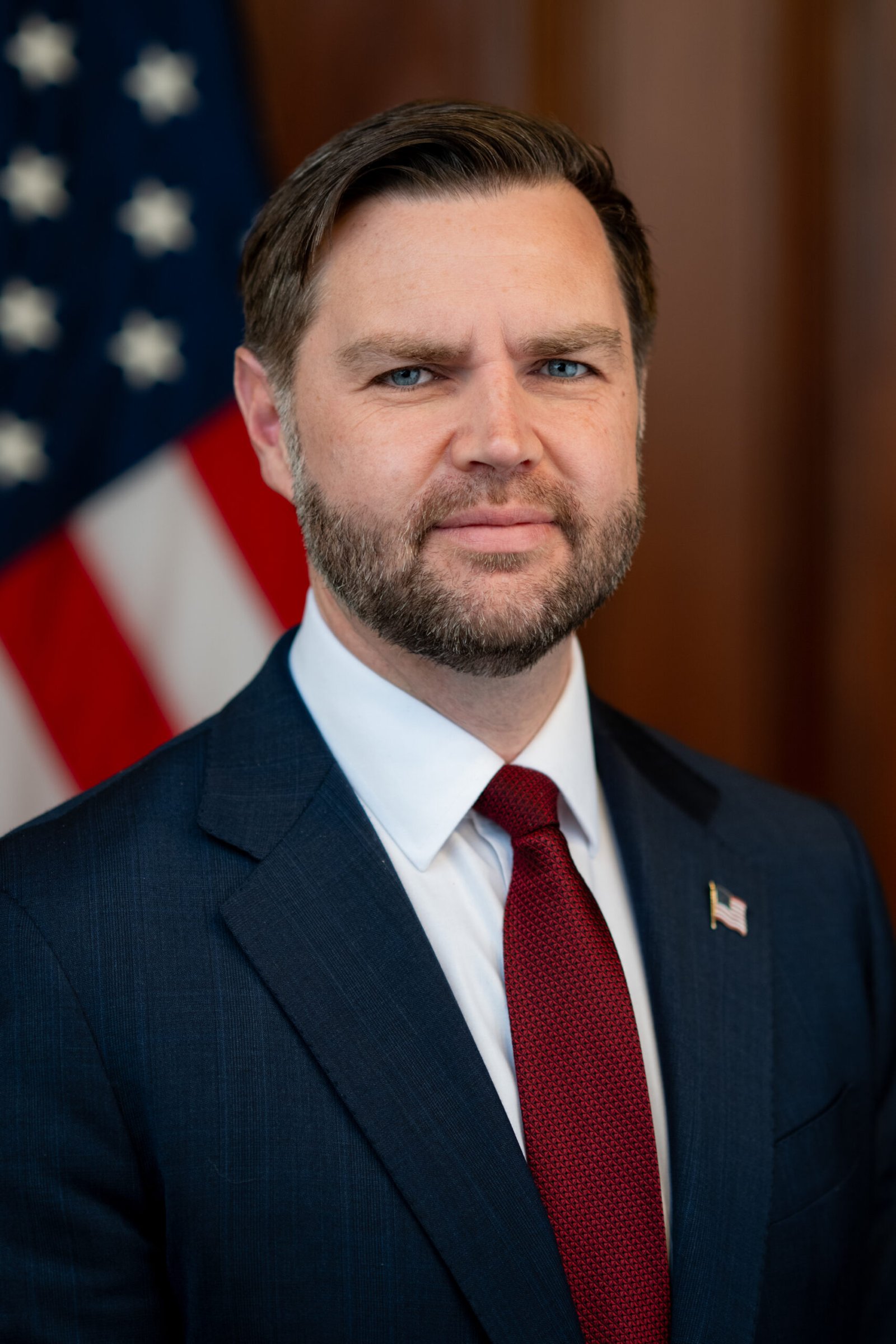
President Donald Trump has abruptly pulled Vice President JD Vance off Iran negotiations, declaring that the United States does not need a deal with Tehran and ordering him to turn his attention to alleged crime and corruption in Democratic-run cities and states.
“I have asked Vice President Vance to focus his complete and total attention on the Massive Corruption and Crime taking place in Democrat run Cities and States throughout the U.S.,” Mr Trump wrote on social media on Thursday. “We don’t need a deal with Iran. Those days have long since passed. We’ve got their money, Hundreds of Billions of Dollars, and we’ve got their Strait!”
The move is a sudden reversal. In recent days Mr Trump had told senior aides and counterparts that he was open to Mr Vance restarting talks with Iran and had empowered him to negotiate, according to US and Middle Eastern officials. Mr Vance had opened a communications channel with Mohsen Rezaei, the hard-line secretary of Iran’s Supreme National Security Council, sending him a letter in October asking for a meeting. No date had been set, and US officials stressed that discussions about an in-person meeting remained preliminary.
Mr Rezaei has dismissed the idea of negotiations. He called the reports of talks “imaginary” and insisted that Iran “won’t remove even a single particle of enriched nuclear material from the country”.
Mr Vance had been the administration’s leading figure on Iran for months, and his role took on new urgency after he blamed the war for the Republicans’ disastrous midterm performance. On Wednesday he publicly distanced himself from Mr Trump’s handling of the conflict, a day after Democrats swept to control of Congress.
Instead, Mr Vance returns to a domestic brief he already holds: leading the administration’s anti-fraud task force, which he was chosen to run earlier this year and which claims to have uncovered hundreds of billions of dollars of fraud in government programmes. Mr Trump argued that tackling alleged corruption in Democratic-run states could balance the federal budget. Democrats, meanwhile, have put Mr Trump’s own wealth at the centre of their corruption allegations, pointing to the $1.4 billion he earned last year from crypto ventures.
The decision leaves the war, which began in February, without an active diplomatic track for now. Mr Trump had been weighing three options: resuming airstrikes, maintaining the blockade on Iranian trade, or striking a deal. He chose to tighten the blockade while letting Mr Vance pursue an agreement; that path is now closed. “We won,” Mr Trump said during a Veterans Day address on Wednesday. “Now the question is when we want to end. We must have a total victory, not a 93% victory. It’s going to be total.” Special envoys Steve Witkoff and Jared Kushner remain as the administration’s primary negotiators with Iran. Oil prices rose after Mr Trump’s remarks, with US crude up more than 1%.
Note: The account of Mr Vance’s back-channel with Mr Rezaei rests on US and Middle Eastern officials speaking to The Wall Street Journal; neither the White House nor Tehran has confirmed the letter publicly.
Sources: Reuters, “Trump says Vance should focus on domestic corruption, ‘we don’t need a deal with Iran'” (https://www.reuters.com/world/us/trump-says-vance-should-focus-domestic-corruption-we-dont-need-deal-with-iran-2026-11-12/); The Wall Street Journal, “Trump Reverses Course on Iran, Tells Vance to Focus on U.S. Crime” (https://www.wsj.com/politics/policy/trump-now-says-u-s-doesnt-need-a-deal-with-iran-e493c1ed).