








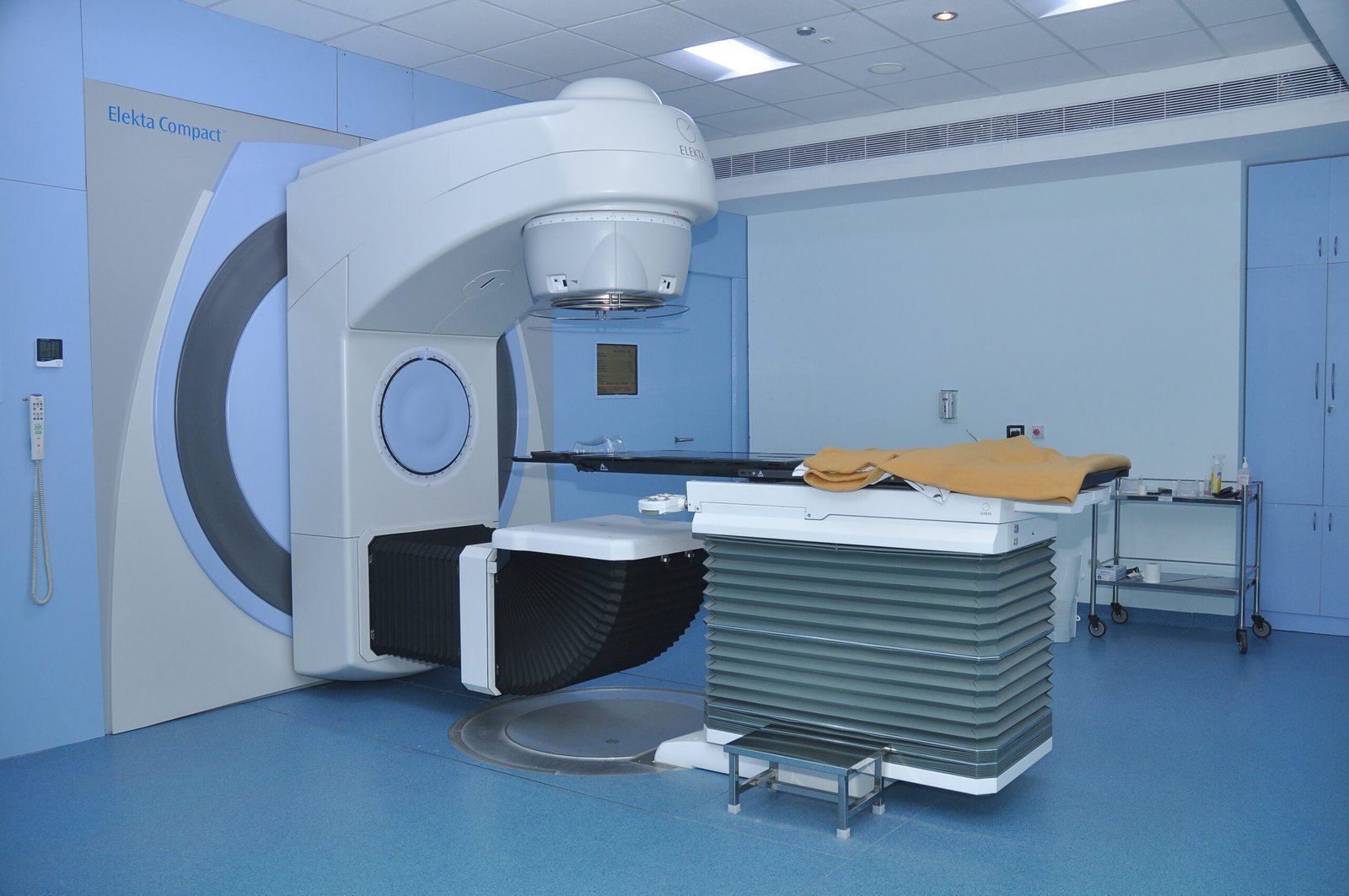
NHS England is on course to miss a key cancer treatment target, leaving nearly 10,000 patients waiting too long to start treatment, according to new analysis of official figures.
The health service set an interim goal of treating 80 per cent of cancer patients within 62 days of an urgent referral or a consultant upgrade by March 2027. But in September only 70.7 per cent of patients began treatment on time, down from 71.9 per cent in August, figures from NHS England show.
With little more than 100 days left before the deadline, analysis for The Guardian found the NHS would have to treat 2,850 more patients on time each month to get back on track. Radiotherapy UK calculated that about 24,400 patients a month would have to start treatment inside the 62-day window to hit the target in March, against about 21,500 now — a cumulative shortfall of 9,490 patients at the current rate.
Professor Pat Price, chair of Radiotherapy UK and a leading oncologist, said the government would miss its target because the NHS did not have enough staff or equipment to cope with the number of patients coming through its doors. “This lack of leadership means thousands more people could die because they don’t get their treatment on time,” she said.
The analysis also found wide differences between cancer types. More than two-thirds of patients with prostate cancer (70.1 per cent) and breast cancer (68.8 per cent) were treated within two months, but only 60.9 per cent of lung cancer patients and 60 per cent of those with gynaecological cancers were treated on time. For head and neck cancers, barely half — 56.5 per cent — began treatment within 62 days. Regional gaps were stark too: the Midlands had the lowest proportion treated on time, at 66.6 per cent, against 77.3 per cent in London.
Diagnosis is lagging as well. Analysis by Cancer Research UK found that over the past year barely half of patients with cancer — 55.4 per cent — were diagnosed within 28 days of an urgent referral, against the faster diagnostic standard of 80 per cent. By contrast, 79.1 per cent of patients received the all-clear on time.
Naser Turabi, Cancer Research UK’s director of health policy and evidence, said hospital capacity was not keeping pace with surging demand, with urgent referrals in England up about 20 per cent over the past four years. Dr Hilary Williams, clinical vice-president of the Royal College of Physicians and a consultant in medical oncology, said the NHS needed enough capacity across the whole cancer pathway — more diagnostic capacity, including imaging, endoscopy and pathology, and enough treatment capacity in surgery, radiotherapy and systemic treatments, “so that diagnosing people more quickly doesn’t simply move the bottleneck further down the pathway”.
Dr Stephen Harden, president of the Royal College of Radiologists, said “chronic shortages” of clinical radiologists and clinical oncologists were “driving dangerous delays”, adding that hiring freezes for those doctors had doubled in the last year. “The government must now step in to end recruitment freezes and ensure services have the doctors they need to diagnose and treat patients on time,” he said.
A Department of Health and Social Care spokesperson said cancer waiting times were “moving in the right direction”, with all three cancer standards better than a year ago and around 290,000 more people over the last year getting diagnosed on time or having cancer ruled out than in the year before the election. “Our national cancer plan will help more people to get diagnosed earlier and begin treatment sooner, giving them the best possible chances of recovery and survival,” the spokesperson said.
Sources: The Guardian (https://www.theguardian.com/society/2026/nov/14/nhs-england-62-day-cancer-treatment-target-by-10000-patients); NHS England cancer waiting times statistics; Radiotherapy UK; Cancer Research UK.