






European leaders have agreed that a five-nation group, working alongside the European Union’s institutions, will speak for Europe at the next round of Ukraine peace talks, in the clearest move yet to give the continent a single voice in negotiations to end Russia’s war.
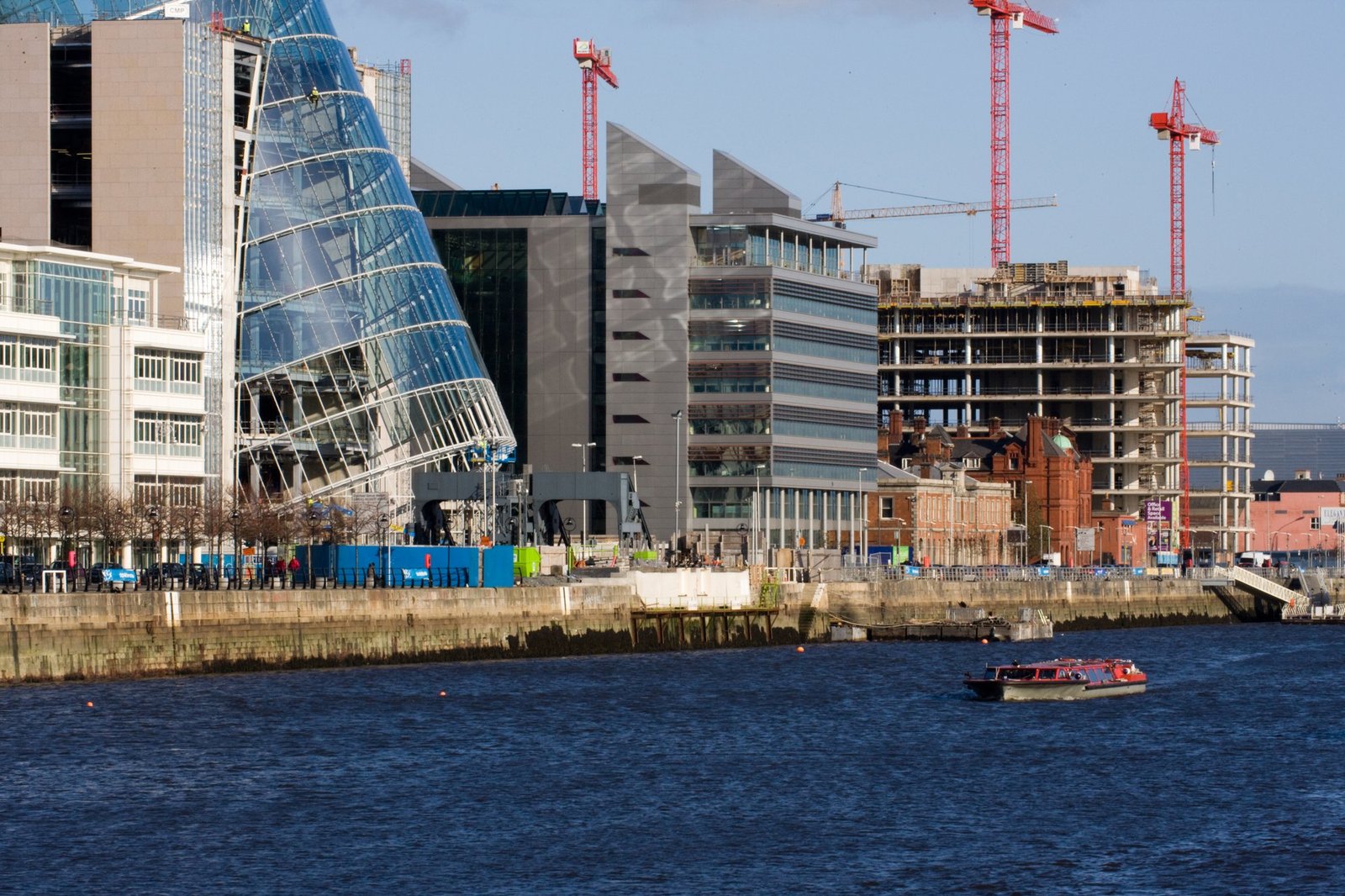
The decision was taken at an informal European Council in Dublin on Friday, hosted by Taoiseach Micheál Martin at the Convention Centre Dublin as part of Ireland’s presidency of the Council of the European Union. European Council President António Costa announced the agreement at the close of the meeting, saying the team would act in full unity.
“Our position is clear, Europe’s security begins in Ukraine’s security,” Mr Costa said, adding that Europe must speak with one clear united voice in all discussions that shape Ukraine’s future and the security of the continent.
The negotiating team will consist of the EU institutions and the E5 — Britain, France, Germany, Italy and Poland — the core of the Coalition of the Willing, the group of more than 30 countries backing Ukraine and preparing security guarantees for a future ceasefire. Mr Costa described the arrangement as ultimately a team effort, carried out in close coordination with all member states.
The talks so far have involved Russian, Ukrainian and United States officials, who met in Abu Dhabi this week for the first time in nine months. After meeting US envoy Jared Kushner at Baldonnel airbase in Dublin on Thursday evening, President Volodymyr Zelenskiy confirmed that a European delegation would take part directly in the next round in Abu Dhabi next week.
Whether the Europeans are admitted remains contested in Moscow. Kremlin spokesman Dmitry Peskov said Europe must first show it is ready to contribute to peace before a decision on an expanded format, despite US negotiators saying President Vladimir Putin had agreed to their participation after meeting him in Moscow.
Who exactly should speak for Europe was itself a point of friction in Dublin. EU foreign policy chief Kaja Kallas laid claim to the envoy role, saying she is the one who represents Europe in foreign and security policy, while some leaders backed Mr Costa, who represents the 27 EU leaders. Italian Prime Minister Giorgia Meloni said the many formats involved in the Ukraine issue had hampered Europe’s ability to speak with a single, coherent voice.
Artificial intelligence shared top billing on the Dublin agenda, in the first dedicated discussion of AI strategy by EU heads of government. Leaders were joined by two external speakers: Arthur Mensch, co-founder and chief executive of the French AI firm Mistral, and Nobel laureate Geoffrey Hinton, widely known as the godfather of AI.
European Commission President Ursula von der Leyen outlined plans for seven AI gigafactories across the continent, with around €30 billion expected to be mobilised for computing infrastructure. She also put the wider cost of European technological sovereignty at at least €500 billion and promised an ambitious financing proposal at the next leaders’ gathering. French President Emmanuel Macron announced that he and Dutch Prime Minister Rob Jetten would host European technology leaders in Paris on 2 December under the banner “Tech Creators”.
Money for Ukraine was the other unresolved question hanging over the summit. Kyiv faces a shortfall of around €70 billion in 2027, and leaders had previously agreed a €90 billion loan after a plan to use €190 billion in immobilised Russian assets was blocked by Belgium. Ms von der Leyen said the Commission would soon propose its 22nd package of sanctions against Russia and, before the next European Council on 26 and 27 November, a proposal to close Ukraine’s financing gap for 2027.
Mr Costa said the weeks ahead would be a decisive test of Russia’s readiness to bring the war to an end. The immediate test is whether the Europeans are admitted to the next Abu Dhabi round — and who sits at the table.
Sources: RTÉ — https://www.rte.ie/news/ireland/2026/1113/1599056-eu-leaders-dublin ; Irish Presidency of the Council of the EU — https://irish-presidency.consilium.europa.eu/en/events/informal-meeting-of-eu-heads-of-state-or-government/ ; Euronews — https://www.euronews.com/2026/11/13/ukraine-envoy-row-hijacks-eu-leaders-first-ai-summit