








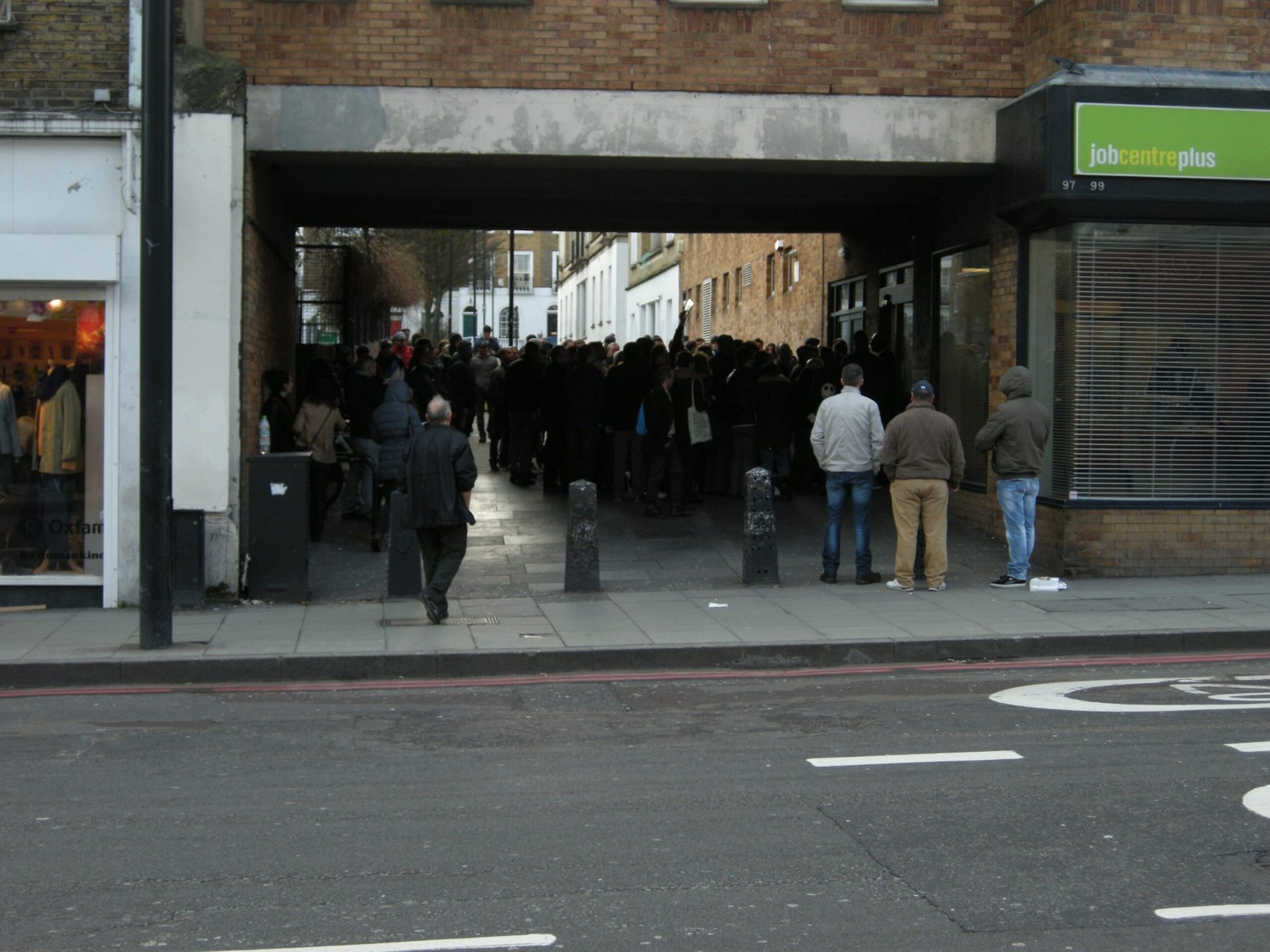
Britain’s unemployment rate unexpectedly fell to 4.6% in the three months to September, official figures showed on Tuesday, but the headline improvement masked a weaker picture underneath: payrolls shrank, pay growth slowed and job vacancies fell to their lowest level outside the pandemic since 2014.
The Office for National Statistics (ONS) said the jobless rate dropped from 4.7% in the three months to August, against economists’ expectations that it would hold steady. The employment rate rose 0.3 percentage points on the quarter to 75.4%, and the unemployment rate is now at its lowest since April 2025.
Regular pay, excluding bonuses, grew 3.5% year on year in the three months to September, down from 3.7% in the previous three months and slightly below the 3.6% median forecast in a Reuters poll of economists.
More timely tax data showed the number of people on company payrolls fell by a provisional 34,000 in October to about 30.2 million, after a revised rise of 20,000 in September. Payrolled employment was down 95,000, or 0.3%, on a year earlier. The claimant count, which tracks people claiming out-of-work benefits, rose by 33,200 in October.
Job vacancies fell by 22,000 over the three months to October to 690,000, the sharpest quarterly decline since the three months to July 2025. The ONS said higher labour and operating costs were discouraging recruitment, with smaller firms in particular holding back on hiring.
The ONS cautioned that the improvement in the headline unemployment rate was partly driven by changes in the Labour Force Survey sample, rather than by stronger underlying demand for workers: respondents leaving the survey had unusually low employment and high unemployment compared with those joining it.
The mixed picture leaves the Bank of England with a difficult read ahead of its December rate decision. Slowing wage growth eases one source of inflation pressure for policymakers, but the weakening in hiring points to an economy losing momentum.
Sources: Reuters — “UK wage growth slows to 3.5% in three months to September” (https://northlandnewsradio.com/2026/11/17/uk-wage-growth-slows-to-3-5-in-three-months-to-september/); Office for National Statistics — “Employment in the UK: November 2026” (https://www.ons.gov.uk/employmentandlabourmarket/peopleinwork/employmentandemployeetypes/bulletins/employmentintheuk/november2026).