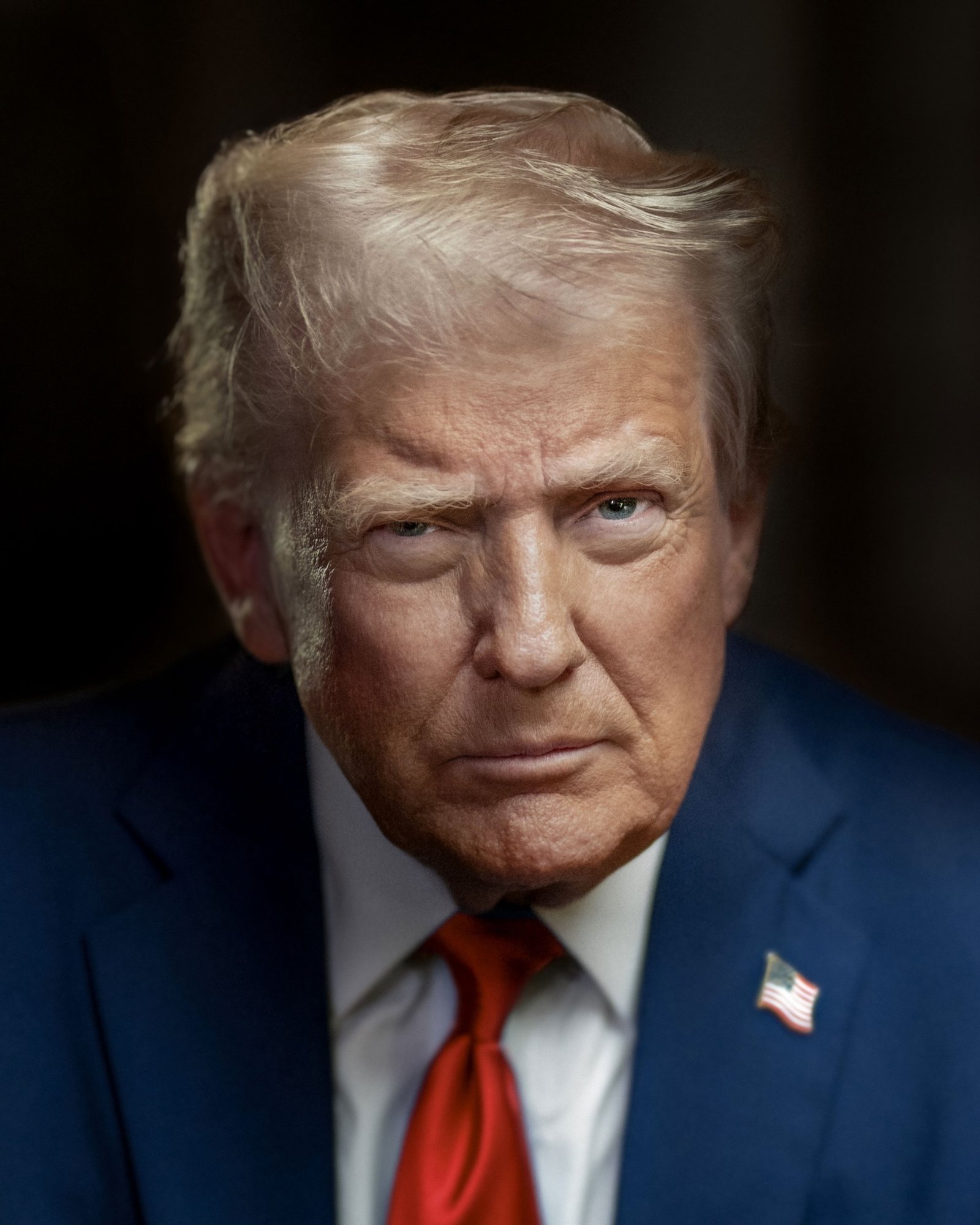







President Donald Trump and Chinese President Xi Jinping have agreed that humans must always remain involved in military decisions that use artificial intelligence, and that AI should not be allowed to act on its own in major military operations, US Treasury Secretary Scott Bessent said on Friday.
Bessent, speaking to CNBC after returning from Trump’s meeting with Xi in Shenzhen, described the understanding as one of the major achievements of the president’s trip to Asia. He said the agreement also covers other safeguards around the military use of the technology, and that it would stand apart from the two countries’ rivalry over AI itself.
“I think it was very important that President Trump and President Xi agreed that humans should always be involved in any military decisions that SI makes, and the SI should not be allowed to be autonomous for major military actions,” Bessent said, using the Trump administration’s preferred term for the technology, “super intelligence”.
Bessent said the understanding would not be affected by competition for AI supremacy. “But there’s nothing to do with competition when it says that both sides agree that no major military operation should be launched without a human being involved,” he said.
He added that American AI laboratories needed to maintain their technological lead as the best defence against what he called “dangerous” Chinese AI models that are being used in cyberattacks.
The agreement sits alongside a continuing US effort to limit China’s access to advanced AI chips. The Commerce Department moved on Monday to tighten those controls further, including over chips used in overseas data centres where Chinese entities can rent computing power. Bessent said the H200, Nvidia’s second-tier AI chip, remained the most advanced processor China could buy under US export licences, after Trump took what he called a “very firm line”, and that Chinese orders for the chip had been sparse as Beijing tries to build its own chip industry, which he said was probably many years behind.
Bessent also said the spying allegations involving former Nvidia chief executive Jensen Huang and a Chinese national did not come up in the Trump-Xi bilateral meeting. He played down differences he had voiced with Commerce Secretary Howard Lutnick over chip restrictions in the wake of the Nvidia scandal, saying administration officials were “all committed to following President Trump’s instructions”.
The account of the agreement rests on Bessent’s description of the meeting: no joint statement or written text of the understanding has been released, and neither side has published details of the other safeguards he mentioned.
Sources: Reuters, “Trump, Xi agreed that military AI decisions should involve humans, Bessent says”, 20 November 2026 — https://www.militarytimes.com/news/pentagon-congress/2026/11/20/trump-xi-agreed-that-military-ai-decisions-should-involve-humans-bessent-says/