








A pilotless electric air taxi carried a passenger through the skies above Yamanashi Prefecture on Friday, in the region’s first public demonstration of a passenger flight with no one at the controls.
The aircraft, EHang’s two-seat EH216-S, lifted vertically from the runway at the Japan Aviation Academy in Kai and followed a pre-programmed route of about 380 metres, with a lone passenger inside the glass cabin and Mount Fuji visible in the distance. A second, uncrewed flight later stretched about 1,800 metres above the nearby Kamanashi River.
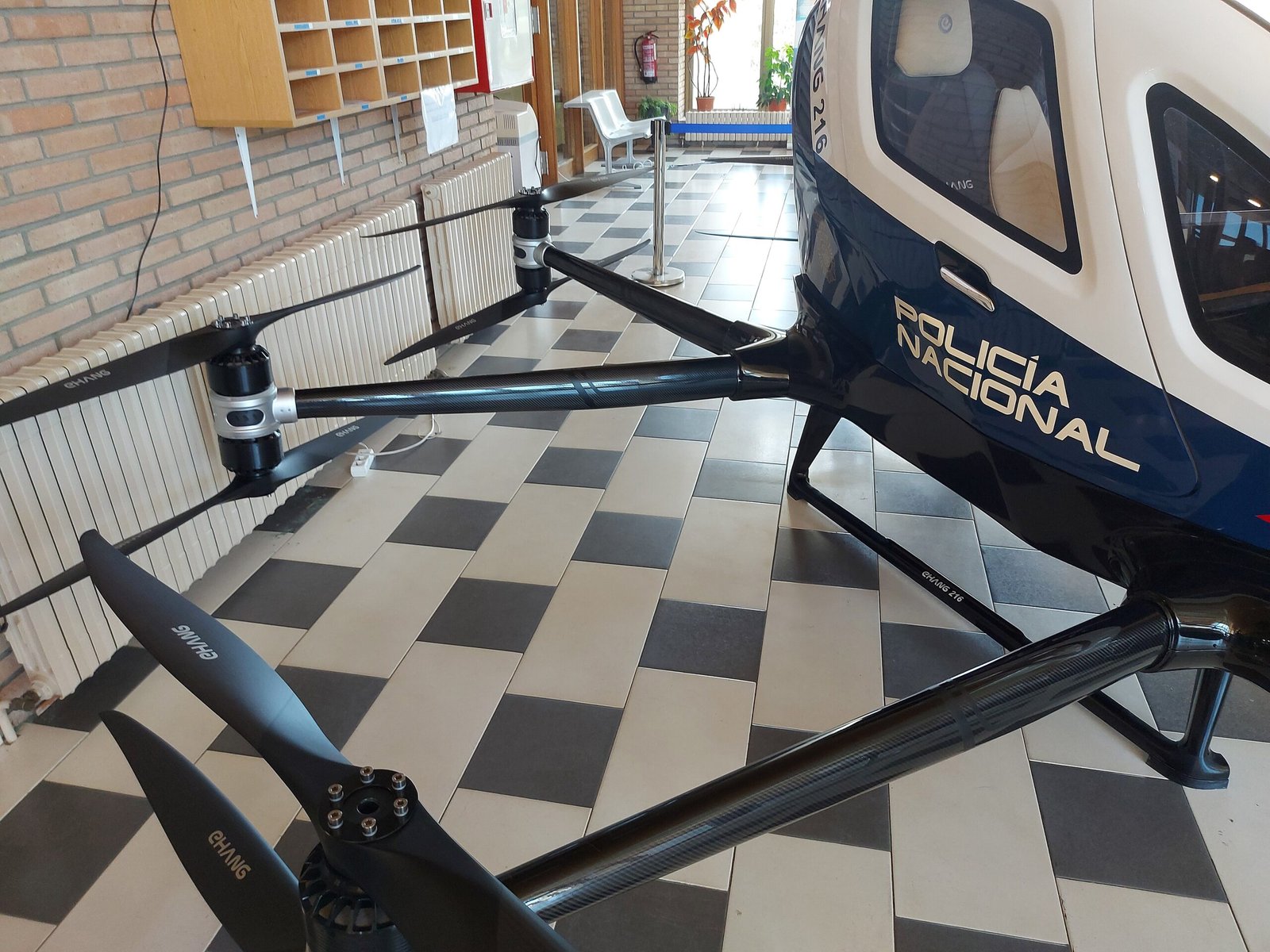
The EH216-S is an all-electric vertical take-off and landing craft with 16 rotors, built by the Chinese firm EHang. It has no cockpit or flight controls, according to local broadcaster YBS, and is designed to fly itself along a set route. Euronews put its top speed at up to 120 kilometres per hour and its range at roughly 30 kilometres on a single charge.
Yamanashi staged the demonstration to introduce residents, local officials and reporters to urban air mobility, and to test whether short electric hops could one day help with local travel, tourism and emergency movement in a mountainous prefecture. Further public flights were planned for the academy’s aviation festival over the weekend.
The flight does not mark the start of a service. EHang’s aircraft holds its type and production certificates from China’s civil aviation authority, and its operators received China’s first air operator certificates for pilotless passenger aircraft in March 2025 — but none of the reports on the Yamanashi flight said what Japanese permission it flew under, and none cited a Japanese type certificate for the aircraft. That regulatory question is unresolved in the reporting, and commercial flights remain some way off.
Nor was it Japan’s first pilotless passenger flight. In February 2023, an earlier EHang aircraft carried two passengers along the coast at Tanoura Beach in Oita, under approval from Japan’s transport ministry — a reminder that the technology has been edging towards the public for years, even as the rules around it lag behind.
Sources: Euronews (https://www.youtube.com/watch?v=1-YLYLbEirs); EHang (https://www.ehang.com/news/924.html).