








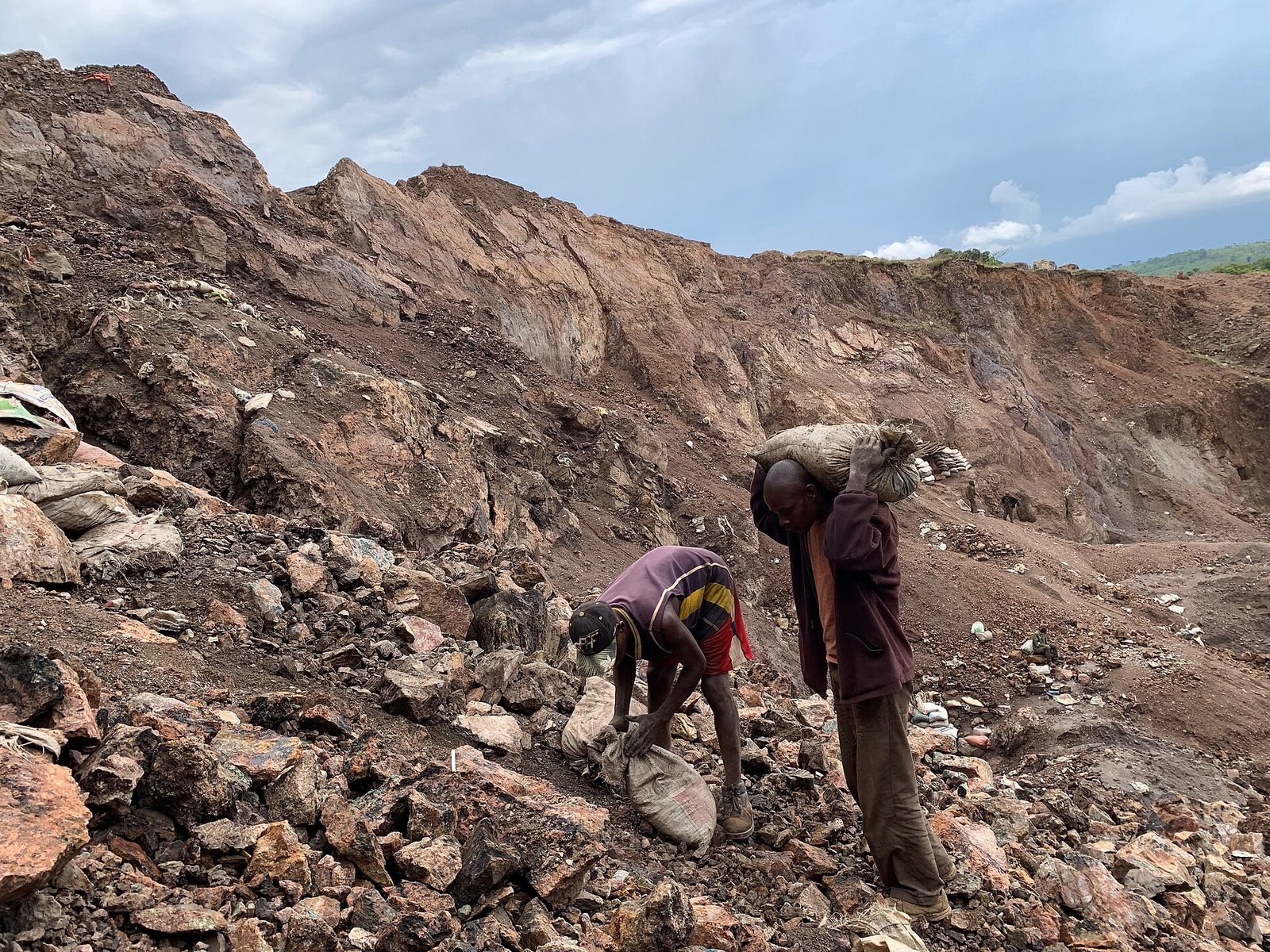
Democratic Republic of Congo will suspend all cobalt exports from 30 November until further notice, its strategic minerals regulator said on Monday, in the world’s top producer’s second attempt in under two years to support prices by choking off supply.
The suspension will cover all cobalt produced in the country, from industrial mines to artisanal diggings, and will remain in place until the Authority for the Regulation and Control of Strategic Mineral Substances Markets, known as ARECOMS, formally lifts it, the regulator said in a statement.
“The measure is intended to address a persistent imbalance in the cobalt market caused by weak demand, rising inventories and excess supply,” ARECOMS said.
It is the second time since April 2025 that Congo has halted cobalt exports. The country, which mines more than 70 per cent of the world’s cobalt, banned shipments from February to October last year before replacing the ban with a quota system capping exports at 96,600 tonnes a year for 2026 and 2027.
That system has not stopped the slide. Cobalt hydroxide, the country’s main export, has fallen from 26 to 26.25 dollars a pound in April to 13 to 14 dollars a pound in late October, according to Fastmarkets data, a drop of close to half. ARECOMS said prices had fallen significantly and persistently since mid-year because of slowing global consumption, rising inventories and speculative trading.
Cobalt is a key ingredient in the batteries that power electric vehicles, and most of Congo’s output is refined in China. The quota system has already squeezed producers: Glencore, one of the largest cobalt miners in Congo, reported its own-sourced output fell 52 per cent in the first nine months of the year, to 13,700 tonnes.
ARECOMS said it would use the suspension to adjust its quota-allocation system in an effort to better align exports with global demand and contribute to a lasting rebalancing of the market. The regulator said it would review the measure four months after it takes effect, but stressed that the review would not automatically lead to a resumption of exports. Any restart would require a separate decision setting export volumes, quota allocations and applicable conditions.
For battery makers, cheaper cobalt eases costs. For Congolese producers and the state, whose export revenues depend on the price, the halt is a gamble that withholding supply will do what quotas could not: put a floor under the market.
Sources: Reuters — “Congo halts cobalt exports again to tackle oversupply, support prices, industry regulator says”; Mining & Business — “Cobalt: Congolese quotas struggle to stop the fall in prices”.