









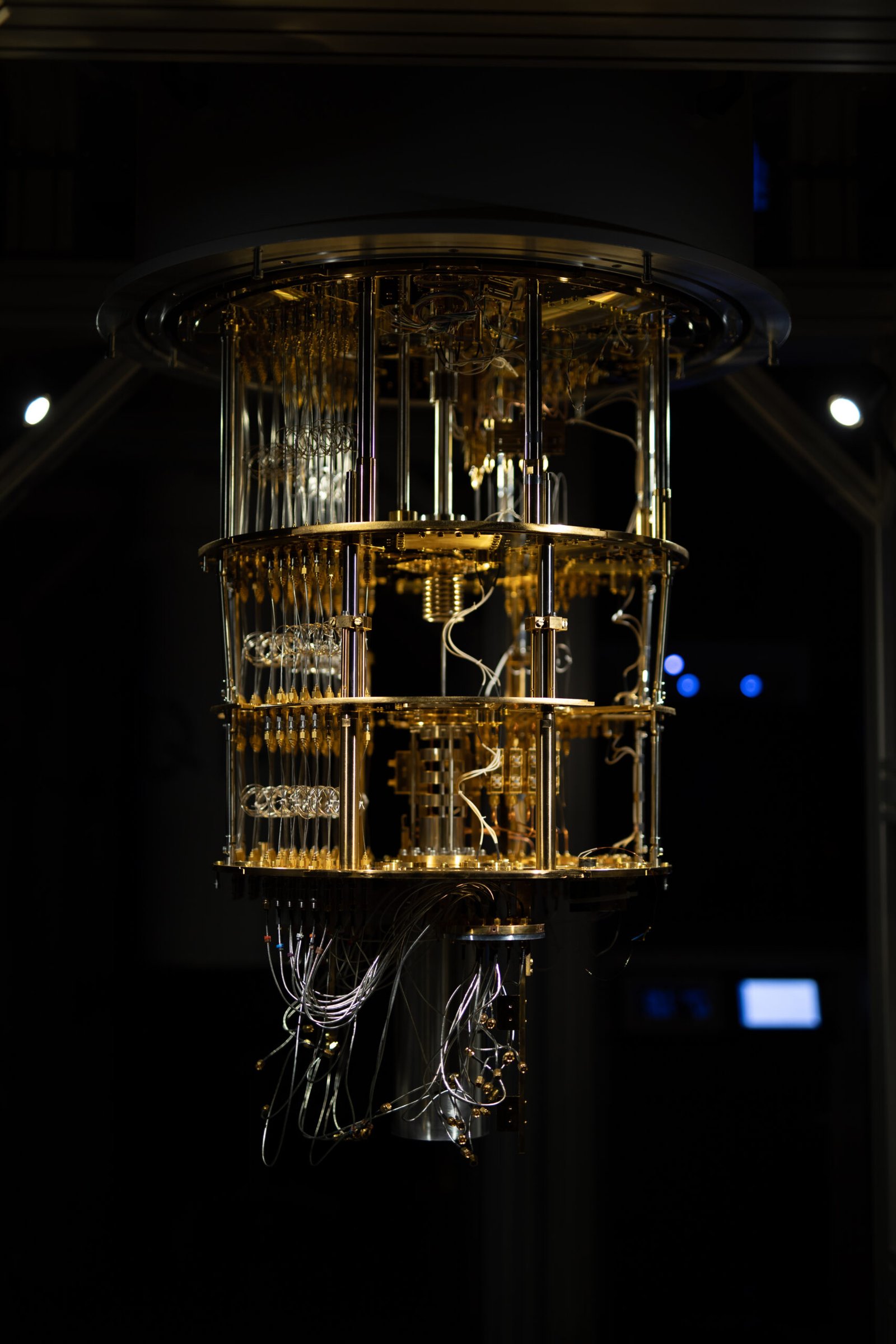
The European Commission has proposed a €50 billion equity fund to back artificial intelligence and quantum technology companies, as Brussels moves to close the gap with the United States and China in the technologies it sees as decisive for its economic and security future.
The Sovereign Tech Equity Fund is the centrepiece of a draft Quantum Act unveiled on Wednesday. The Commission says the fund would take equity stakes in promising European technology firms, drawing on money from the Commission itself, the European Investment Bank and EU member states to attract private investors. It aims to make Europe a global leader in quantum technology by 2030.
The €50 billion figure is a target, not money already committed. The size of the public contribution has not yet been decided, and officials aim to present detailed plans in February, when EU leaders meet to discuss competitiveness. The Financial Times reported that the goal is to mobilise up to €6 of private money for every €1 of EU seed funding.
The draft law also tilts public procurement towards home-grown suppliers. Contracts would be restricted to products, systems and services provided by EU-controlled companies, with firms from third countries able to bid only where their governments have a reciprocal partnership with the bloc. The move follows concern in European capitals that US suppliers could use so-called “kill switches” to disable products sold in Europe.
“Quantum technologies will shape the future of industry, security and innovation, and they will have a profound impact on our societies. Europe needs to accelerate now,” EU tech chief Henna Virkkunen said in a statement.
Europe starts from a mixed position. Around a third of the world’s quantum companies are based in the European Union, and public quantum funding reached €8.6 billion last year, ahead of €5.3 billion in the United States, though behind China’s €13.6 billion. Private funding tells a different story: European quantum start-ups raised just €1.1 billion, against €7 billion in the United States.
The draft act also backs a coordinated switch to quantum-resistant cryptography, so that sensitive data stays secure once powerful quantum computers arrive, and would set up new research institutes and funding competitions for quantum computers, simulators and quantum-enhanced medical imaging.
The legislation still has a long way to go. It must be negotiated with EU member states and the European Parliament in the coming months before it can become law. Virkkunen has suggested that far more — €400 billion to €500 billion — will be needed in the coming years, though the EU cannot commit sums of that scale before its new multi-year budget begins in 2028.
Sources: Reuters (https://www.reuters.com/world/china/europe-plans-50-billion-sovereign-tech-equity-fund-boost-quantum-technology-2026-11-25/) and The Wall Street Journal (https://www.wsj.com/world/europe/eu-lays-out-plan-to-boost-quantum-technology-6555b429).