







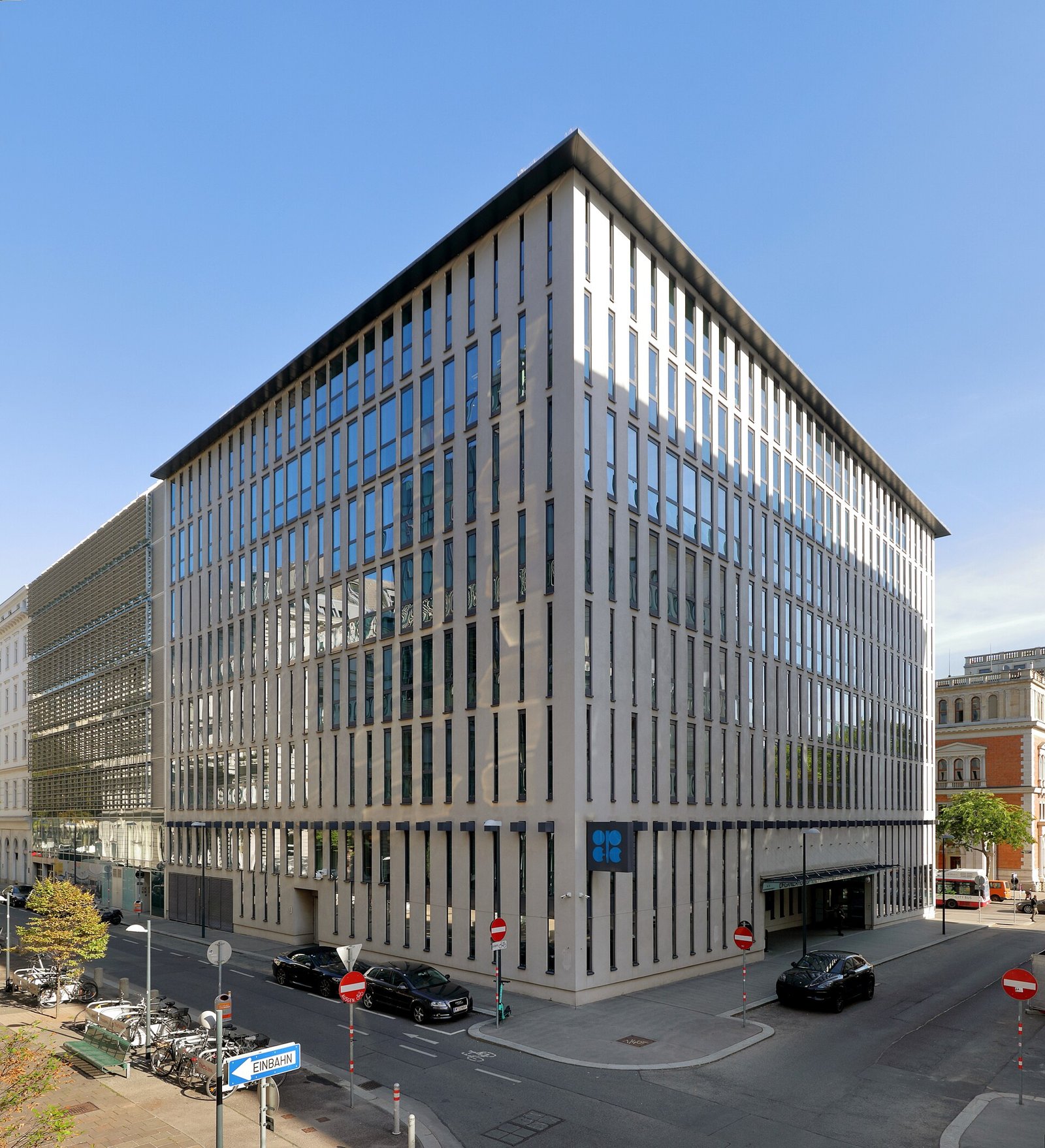
OPEC+ has agreed in principle to keep its oil production targets unchanged for the first three months of 2027, people with knowledge of the discussions told Reuters, with formal approval expected at a series of virtual ministerial meetings on Sunday. The decision would leave the group’s output framework untouched at the start of next year, despite months of planning for new 2027 targets. The meetings are scheduled to begin at 13:00 GMT on Sunday, so the agreement is in principle only until ministers formally approve it.
The group had intended to set fresh targets for 2027 at Sunday’s meeting, its first full ministerial gathering since the United Arab Emirates left the alliance earlier this year. It commissioned its first-ever review of members’ production capacity to underpin the new quotas, but the exercise ran into difficulty after Iraq and Kazakhstan challenged the capacity assessments as too low. Ministers have since leaned towards rolling over existing targets for the first quarter, and reached an agreement in principle on Friday, the sources said.
Uncertainty over the war involving Iran is the other force holding the group back. The conflict has disrupted Gulf crude exports and shipping, and Brent crude, the international benchmark, has traded above $95 a barrel. Analysts at Rapidan Energy Group also expect no change to targets, citing uncertainty over how long the war will last and what it will mean for crude output and exports.
The rollover would extend a run of caution. Seven core producers — Saudi Arabia, Russia, Iraq, Kuwait, Kazakhstan, Algeria and Oman — agreed on 1 November to hold their September production levels for December, a third consecutive monthly decision to keep targets flat. Their December targets put Saudi Arabia at 10.478 million barrels a day and Russia at 9.949 million.
The backdrop is a market turning against producers. The International Energy Agency said earlier this month that the world oil market had returned to surplus for the first time since the Iran war began, while the United States continues to gain market share and exploit divisions within the group. Holding targets steady buys OPEC+ time, but it does not resolve the capacity dispute or the question of how the group responds if the surplus deepens.
Sources: Reuters, “OPEC+ set to keep oil output unchanged as Iran war, capacity rifts persist” (https://www.reuters.com/business/energy/opec-set-keep-oil-output-unchanged-iran-war-capacity-rifts-persist-2026-11-29/); Bloomberg, “OPEC+ agrees in principle to keep oil quotas unchanged in Q1 2027” (https://finwire.io/news/economy-news/opec-agrees-in-principle-to-keep-oil-quotas-unchanged-in-q1-2027-bloomberg).