








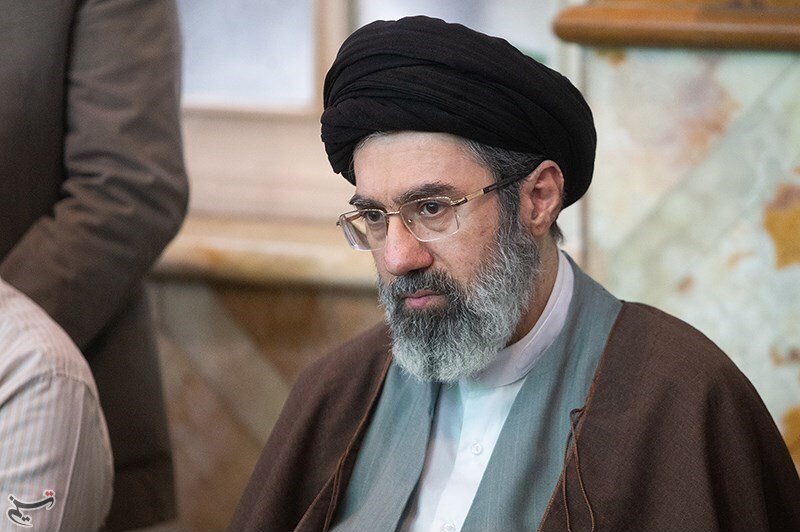
Iran’s Supreme Leader Ayatollah Mojtaba Khamenei has ordered a sweeping overhaul of the country’s intelligence system after a series of security failures exposed deep weaknesses in Tehran’s spy apparatus, parliament’s speaker said on Sunday.
Mohammad Baqer Qalibaf said the shake-up followed incidents in recent years that laid bare major gaps in Iran’s security and intelligence services. He spoke in a video shared on Telegram, saying the government should move quickly to appoint a permanent intelligence minister once legislation restructuring the ministry clears a review by the Guardian Council, the constitutional watchdog body.
The ministry has been without a permanent head since Esmail Khatib, the last intelligence minister, was killed in an Israeli strike on 18 March this year. Khatib had led the civilian intelligence apparatus since August 2021, after working in the office of the former Supreme Leader, Ayatollah Ali Khamenei.
Ali Khamenei was killed during US-Israeli strikes at the start of the war with Iran, and his son Mojtaba has since taken over as Supreme Leader.
Israeli penetration of Iran’s security services has been demonstrated repeatedly. In 2020, nuclear scientist Mohsen Fakhrizadeh was assassinated near Tehran; in 2024, Hamas leader Ismail Haniyeh was killed in the Iranian capital. It was exposed further during the 12-day war in June 2025, when Israeli operatives inside Iran helped target air defences, missile launchers and senior military commanders.
Qalibaf said parliament had initially asked the government to submit a bill restructuring the intelligence ministry, but lawmakers took up the issue themselves after delays. They approved the bill’s general outline on Sunday and began considering its provisions, which include broadening who is eligible to lead the ministry.
Under the proposals, reported by Iranian state media, non-clerical candidates with a master’s degree, expertise and experience in intelligence affairs and at least 10 years of middle- or senior-management experience could become intelligence minister, alongside candidates qualified in ijtihad, or independent Islamic legal reasoning.
The changes would mark a significant break with tradition in a post long reserved for senior clerics, and underline how far the war and the intelligence failures that accompanied it have shaken Iran’s security establishment.
Sources: Reuters, “Iran’s supreme leader orders intelligence ministry overhaul” (29 November 2026), https://www.reuters.com/world/middle-east/irans-supreme-leader-orders-intelligence-ministry-overhaul-2026-11-29/ — Note: the account of Qalibaf’s remarks and the bill’s provisions is single-sourced to Reuters’ reporting of his Telegram video and Iranian state media, and has not been independently verified.