







South Africans go to the polls on Wednesday, 4 November, for municipal elections that will be fought above all on the everyday failures voters encounter at home: taps that run dry, lights that go out, jobs that are hard to find, and streets that do not feel safe. In the country’s largest cities, those basic services and pressures have become the central test for local government, and for the ruling African National Congress, whose support has been worn down by years of municipal shortcomings.
Water has become the most visible symbol of that strain. In Johannesburg, roughly a third of the water supply is lost before it reaches paying customers, a result of ageing pipes, bursts, leaks and illegal connections, according to the city’s water agency. Tshwane, which includes the administrative capital Pretoria, faces a similar burden from old water and electricity networks and a backlog of maintenance. In eThekwini, the municipality that includes the port city of Durban, more than half of the water supply is lost for the same reasons, its oversight report says. Cape Town, by contrast, has channelled substantial investment into water, electricity and transport to keep pace with a growing population, although long-term water security remains a concern there.
Unemployment sharpens the divide between cities. Johannesburg’s unemployment rate rose to 35.9 percent in the second quarter, up from 33.0 percent a year earlier, while Tshwane’s climbed to 34.2 percent from 30.8 percent, according to Statistics South Africa. Cape Town and eThekwini recorded the lowest rates among the major metros, at 21.9 percent and 21.2 percent respectively. In eThekwini, employment grew by about 90,000 over the past year to 1.29 million, enough for it to overtake Cape Town as the metro with the lowest official unemployment rate.
Crime remains a major concern even where the latest figures show some improvement. Police statistics for the first quarter showed murders, carjackings and aggravated robberies falling in Tshwane compared with a year earlier, and murders and carjackings also fell in Johannesburg, although violent crime there remains high. Cape Town recorded fewer murders than a year earlier, but gang violence continues to drive killings in parts of the city. In eThekwini, carjackings and aggravated robberies declined, while murder and attempted murder stayed elevated.
Housing adds a further pressure. Rapid urban growth is squeezing affordable homes and municipal services in most cities. Cape Town has drawn people and businesses on the back of a strong tourism recovery since the pandemic, but rising property prices, short-term rentals and rental demand have taken their toll. Tshwane faces growing demand for housing and basic services, while sanitation backlogs remain a challenge in some eThekwini communities.
Wednesday’s vote will therefore be read as a verdict less on national slogans than on whether councils can keep water flowing, lights on and neighbourhoods safe. For voters in Johannesburg, Cape Town, Pretoria and Durban, the ballot offers a direct judgement on the services they live with every day.
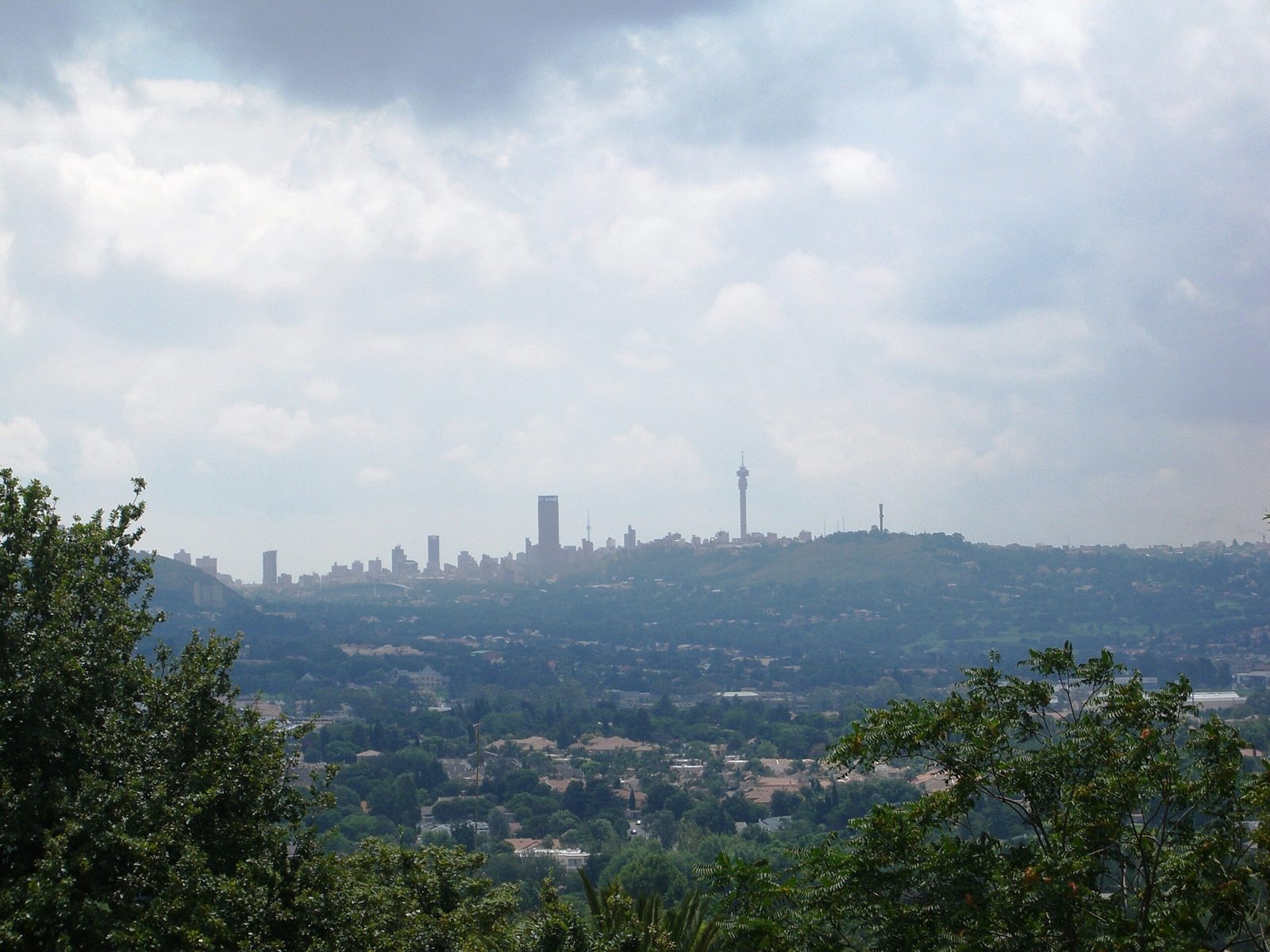
Note: the featured image is a file photo of the Johannesburg skyline from 2006, not a photograph of polling for this election.
Sources: Reuters, “Water, jobs and crime among key issues for South African voters”, 2 November 2026, https://www.reuters.com/world/africa/water-jobs-crime-among-key-issues-south-african-voters-2026-11-02/