







The group representing nearly all major carmakers in the United States has urged Congress to pass a permanent ban on Chinese vehicles when lawmakers return next week for a short post-election session.
The Alliance for Automotive Innovation, whose members include General Motors, Toyota and Volkswagen, made the appeal on Monday, 2 November, days before the midterm congressional elections. Its president, John Bozzella, argued that the American market needed protection from a flood of Chinese imports that, in the industry’s view, carry surveillance risks and would undercut manufacturers that have invested for generations in American communities.
The push revives a bipartisan effort that stalled in September, when Senate sponsors agreed to delay an attempt to fast-track the measure until November despite what supporters described as overwhelming backing. A Senate committee approved the bill in July, and the House version now has more than 100 co-sponsors, according to the alliance.
Supporters hope to secure full passage this year, but some congressional aides and auto lobbyists fear there may not be enough time if Democrats win control of Congress and the session ends in December. The timing matters because the current restrictions rest largely on executive action, which a future administration could unwind.
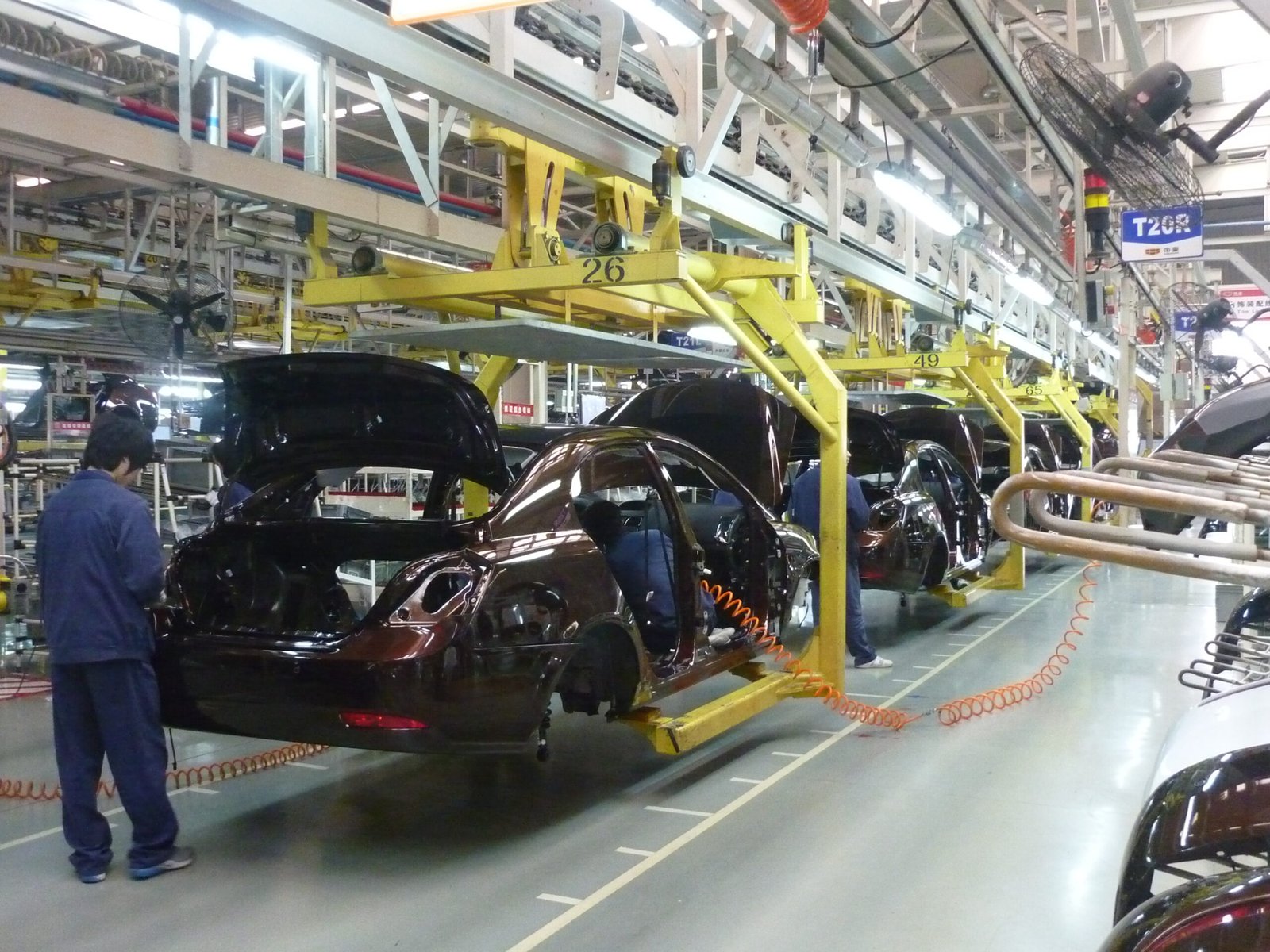
Chinese carmakers are already effectively shut out of the American market. A regulation imposed by the former Biden administration in early 2025 effectively prevents them from selling or building passenger vehicles in the United States, on the grounds that connected vehicles could send sensitive driver data to China. Chinese electric vehicles also face tariffs of more than 100%.
The proposed legislation would go further by writing the ban into law, covering the import, manufacture and sale of internet-connected vehicles, software and hardware linked to China or other foreign adversaries. An earlier Associated Press report on the September delay said the bill would also bar vehicles made by companies with more than a 15% ownership stake from Chinese entities, a provision that drew an objection from Senator Rand Paul over its possible effect on Mercedes-Benz.
Bozzella pointed to Europe as a warning of what the alliance says is at stake, citing figures showing the European Union imported more than 1.1 million vehicles from China in the first eight months of 2026, more than in all of 2025. That import figure is the alliance’s own, and has not been independently verified in the reporting relied on for this article.
The appeal also follows remarks by President Donald Trump in September, when he told Fox News he would accept Chinese car companies building cars in the United States, a position that alarmed carmakers. The industry argues that domestic assembly alone would not resolve the connected-vehicle security concerns at the heart of the dispute.
For now, the bill’s fate will depend on whether Congress can find time in a brief, crowded post-election session to turn a policy that already operates in practice into permanent law.
Sources: Reuters, “Major automakers urge US Congress to pass permanent ban on Chinese vehicles” (2 November 2026), https://www.reuters.com/legal/government/major-automakers-urge-us-congress-pass-permanent-ban-chinese-vehicles-2026-11-02/ ; Associated Press, “Senate punts bill to permanently ban Chinese cars until after midterm elections” (30 September 2026).