









European shares were heading for a lower open on Tuesday as a flare-up in tensions between the United States and Iran sent oil prices higher again and cooled hopes that the months-long conflict might be nearing an end.
Futures tracking the pan-European STOXX 600 index slipped by more than 1% in early trading, with contracts on Germany’s DAX and Spain’s IBEX down by about 1% by 0712 GMT. The move followed reports that the United States had carried out strikes on Iran’s Qeshm Island in the Strait of Hormuz, according to a US official cited by Reuters. The strikes came a day after Iran had signalled openness to peace talks and President Donald Trump had indicated he might hold off on strikes on Tehran until after the midterm elections.
Brent crude gained 1.6% to move back above $100 a barrel, recovering part of the more than 7% fall seen on Monday, when talks between Iranian and Qatari officials had raised hopes of an end to the US-Israeli war with Iran and a stabilisation of Middle East crude supply. The whiplash in oil prices underlines how much of the market’s recent calm rested on diplomacy holding; each new military development forces traders to re-price the risk to supplies through the Strait of Hormuz, the narrow waterway that carries a large share of the world’s seaborne oil.
Airlines were firmly in focus, having borne the brunt of the volatility in energy costs. German airline group Lufthansa announced it was trimming its profit outlook, a reminder that higher fuel prices feed quickly into an industry with thin margins and little room to absorb shocks. Energy costs have been a persistent headache for European carriers this year, and a sustained period of triple-digit oil would put further pressure on fares, routes and earnings.
Technology shares also looked vulnerable after a sell-off in Asian equities earlier in the day. AI-related names such as Aixtron, ASML and Schneider Electric were expected to come under pressure as investors continued to reassess the artificial intelligence trade that has lifted global markets over the past few years, following disappointing results from major US hyperscalers in the previous week. Apple’s dour gross margin forecast for the crucial holiday quarter, blamed on rising memory-chip costs, added to the cautious mood, with the iPhone maker’s shares extending losses in after-hours trading.
Not every name was heading lower. German pharmaceuticals and agriculture group Bayer was expected to be among the top gainers after raising its 2026 profit outlook, offering a rare bright spot in an otherwise downbeat start to the session.
The broader backdrop remains dominated by politics as much as by earnings. Voting begins on Tuesday in the US midterm elections, where polls favour the Democrats winning the House while the Senate remains too close to call. Markets will also be watching the US Treasury’s quarterly refunding announcement. As ING analysts put it in a note, Tuesday will be “nothing more than the day ahead of a much bigger day” — by tomorrow, investors should have guidance on what the midterms mean for policy, spending and regulation.
For European investors, the combination is uncomfortable: geopolitical risk pushing oil higher, a wobbling AI trade, and a pivotal US election whose outcome could reshape trade and fiscal policy. Tuesday’s soft open may prove to be only the first move in a volatile week.
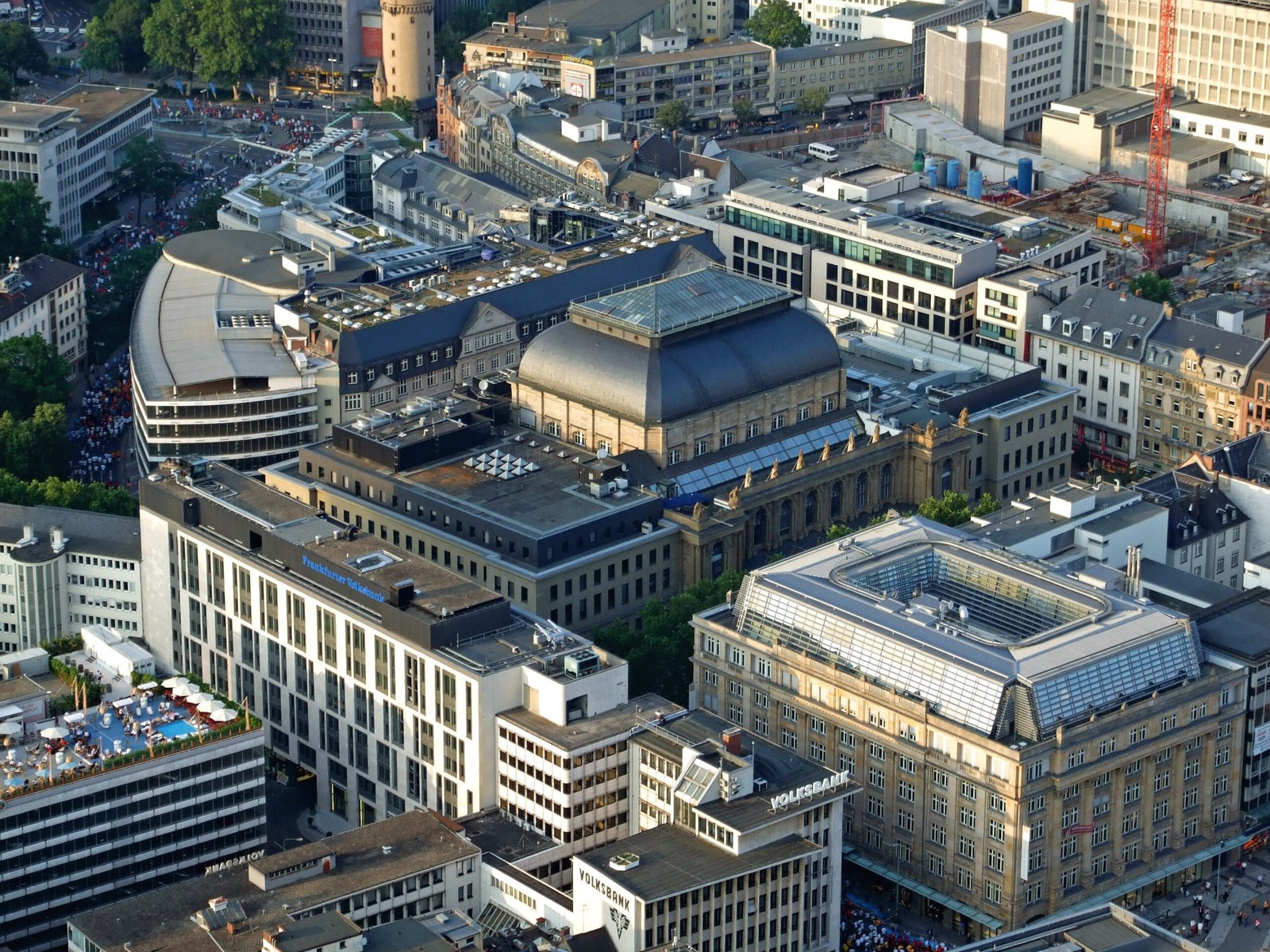
Note: the featured image is a file photo of the Frankfurt Stock Exchange trading floor, taken in June 2007, not a photograph of Tuesday’s trading.
Sources: Reuters, “Europe stocks set to fall as US-Iran tensions fuel oil rebound” (https://www.reuters.com/business/europe-stocks-set-fall-us-iran-tensions-fuel-oil-rebound-2026-11-03/); Reuters, “Asian stocks retreat ahead of US midterms, oil steadies” (https://www.reuters.com/world/china/global-markets-wrapup-1-2026-11-03/).