

South Korea’s alliance with the United States is under fresh strain, a month-long parliamentary audit has revealed, with intelligence sharing curtailed, White House access limited and visas denied to senior lawmakers — just as Washington reorients its military priorities towards China.
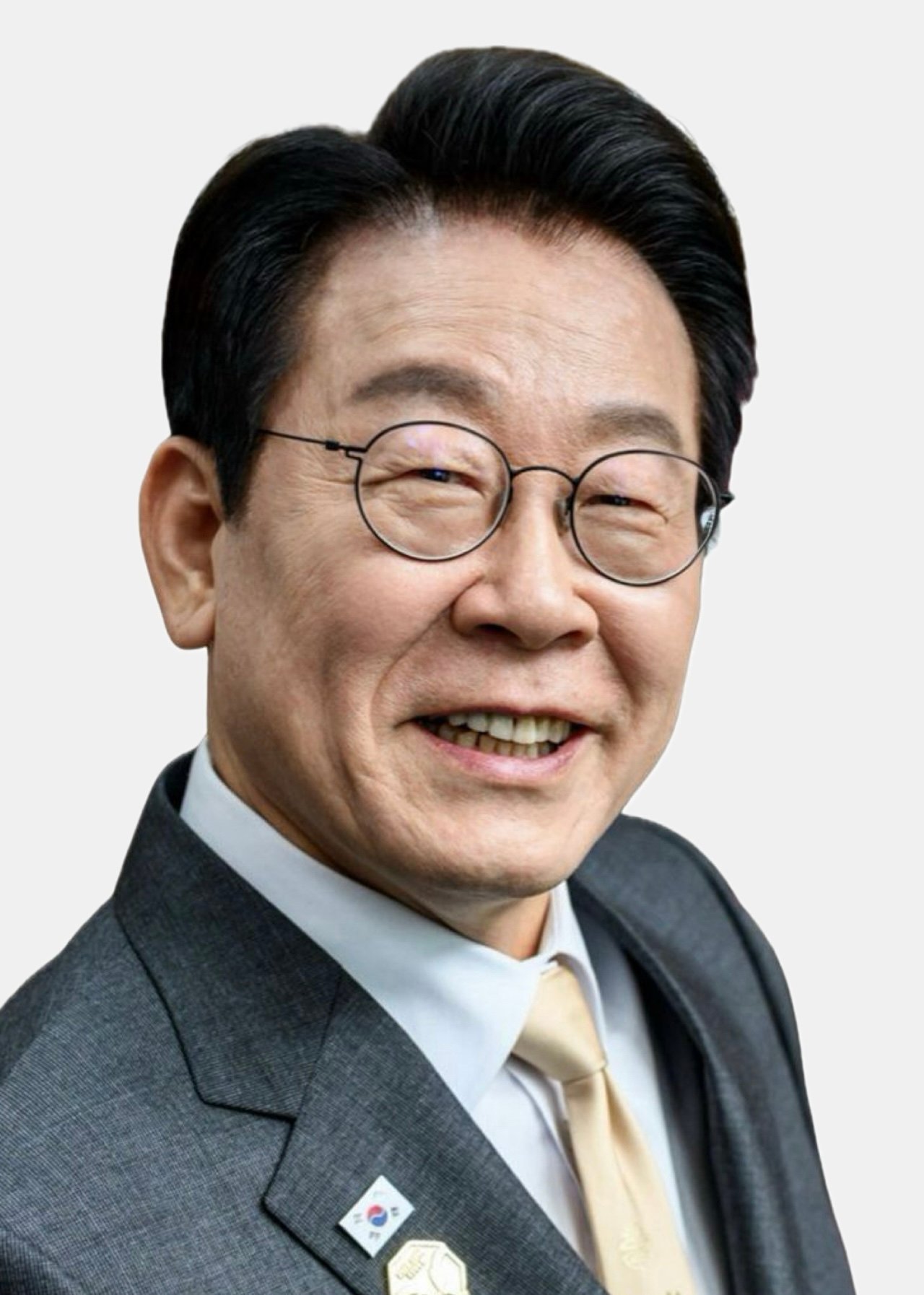
President Lee Jae Myung has come under fire from the opposition over his handling of the alliance after the audit, which ended last week, brought a series of frictions into the open. The revelations come days after heavy losses for President Donald Trump’s Republican Party in the midterm elections, raising questions over the future course of a partnership long regarded as a cornerstone of security in north-east Asia.
During the audit, spy chief Lee Jong-seok acknowledged that Washington had cut back some sensitive intelligence sharing after accusing a South Korean minister of publicly disclosing the location of a previously unconfirmed North Korean nuclear site. Neither Lee nor the military would give further details.
South Korea’s ambassador to Washington also told parliament he had struggled to secure access to key White House officials, while two prominent lawmakers protested after their visas were not issued in time for official visits to the United States.
US officials have said the 28,500 American troops stationed in South Korea will remain focused on deterring North Korea, but have signalled greater “flexibility” to deploy them beyond the peninsula in response to regional threats, potentially including a conflict over Taiwan and China’s growing military reach.
The shift reflects a broader doctrinal change in Washington. The administration’s national security strategy, released this year, surprised Seoul by giving no attention to deterring North Korea, according to J. James Kim of the US-based Stimson Center. “I think the best way to put it is that it’s in transition,” he said.
Public unease in South Korea extends beyond the troop presence. A Pew Research survey published in August found 55% of South Koreans hold an unfavourable view of the United States, the highest level in more than 20 years. Many were shocked when hundreds of South Korean workers were shackled during an immigration raid on a battery project in Georgia last year, while Mr Trump’s push for South Korean investment has also unsettled the public.
The opposition People Power Party has blamed Mr Lee personally, and his policies on North Korea in particular, for “breaking up” the alliance. “The cause of the breakup is not external; it’s inside (the government),” party spokesperson Park Choong-kwon said last week.
Government officials have sought to portray the alliance as fundamentally sound and the strains as temporary. Foreign Minister Cho Hyun told parliament last week, when asked about US Ambassador Michelle Steel describing the alliance as in “turbulence”: “When you’re in a turbulence, fasten your seatbelt and it won’t be a problem.”
Prime Minister Han Seong-sook said on Thursday she did not expect major changes in relations with Washington following the midterm elections, although some issues would need to be analysed case by case. Defence Minister Kang Shin-chul, after meeting US Defense Secretary Pete Hegseth last week, denied there were any differences to resolve. “Secretary Hegseth had just one thing to say about all the talk out there, and that is ‘fake news,'” Mr Kang said. “And I agree with him.”
But analysts warn the discord stems from a structural shift. Cho Han-beom of the Institute for National Unification said Washington’s growing focus on China made Seoul’s role in checking Beijing more significant, but also meant less attention to the Korean Peninsula itself. “That will be the case no matter who the president of the United States is,” he said.
Ewha University professor Leif-Eric Easley said that following the midterm results, the alliance could become a growing source of uncertainty for South Korea’s security and economic interests. A Democratic-controlled Congress may constrain Mr Trump, he said, “but it is unlikely to alleviate pressure on Seoul for greater defence cost-sharing and strategic flexibility of US forces in regional contingencies, including those involving Taiwan.”
Sources: Reuters — “South Korean audit reveals friction in US alliance as Washington’s priorities shift” (https://www.reuters.com/world/china/south-korean-audit-reveals-friction-us-alliance-washingtons-priorities-shift-2026-11-05/). Note: this report is based on a single source, Reuters’ account of the parliamentary audit.