






Rheinmetall shares fell as much as 16% in Frankfurt on Thursday after Germany’s largest defence group cut its full-year outlook for the second time in three months, raising questions about its ability to deliver on the growth targets tied to Europe’s rearmament drive.
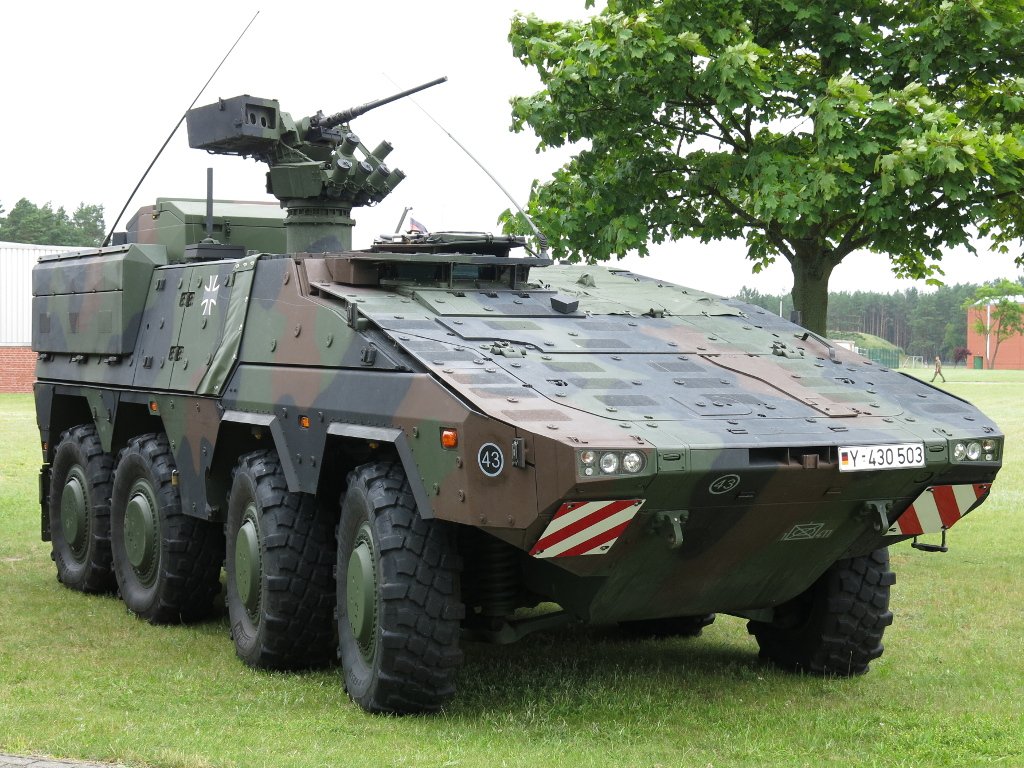
The company now expects 2026 sales of about €13.2 billion, down from a previous range of €13.7 billion to €14.2 billion, and has trimmed its operating margin target to around 18.5% from roughly 19%. It blamed delays to Germany’s Arminius programme for the Boxer armoured vehicle and slower approvals of artillery ammunition batches, which are pushing revenue — and the advance payments linked to the contracts — into 2027.
The Arminius order is the bigger blow. Rheinmetall said it no longer expects the German government to award the contract this year. Chief executive Armin Papperger said in August that Rheinmetall’s share of an initial Arminius order could amount to about €12.4 billion, with an advance payment worth more than €3 billion. The vehicles are built by ARTEC, a joint venture between Rheinmetall and the Franco-German defence group KNDS.
The sell-off was sharp: the shares were down nearly 16% at €844.50 as of 10:27 GMT, briefly triggering a trading halt, and were the biggest faller on the STOXX 600. They had entered the day down roughly 35% for the year. The share price quoted here is an intraday figure; the final closing price was not yet known at the time of writing.
The guidance cut landed alongside quarterly figures that were strong on most measures. Third-quarter sales reached €3.15 billion, up from €2.31 billion a year earlier but below the €3.25 billion analysts had expected, while operating profit jumped 62% to €553 million and the operating margin widened to 17.5% from 14.8%.
But the detail underneath was less reassuring. Order intake totalled €2.89 billion in the third quarter, below sales of €3.15 billion, and operating free cash flow was negative €82 million, albeit an improvement on the €168 million outflow a year earlier. Rheinmetall also dropped its target for a cash conversion rate above 40%, though it still expects positive operating free cash flow for the full year.
Analysts were split on the sell-off. Jefferies said it was surprised by the size of the outlook cut so late in the year and noted Rheinmetall had yet to provide revised order guidance despite the Arminius delay. JPMorgan cut its price target to €1,150 from €1,350 while keeping a neutral rating; RBC kept its Outperform rating and €1,600 target, arguing the valuation discount against the sector may already reflect the disappointment.
Rheinmetall hosts a capital markets day on 26–27 November, where investors will expect a fuller account of how the delayed orders affect its longer-term targets.
Sources: Reuters — https://www.reuters.com/commentary/breakingviews/rheinmetall-crash-lands-more-grounded-reality-2026-11-05/ and https://live.euronext.com/en/financial-news/rheinmetall-shares-slide-investors-question-growth-outlook-after-second-guidance-cut (Reuters reporting, 5 November 2026).