







Climate change should be formally recognised as a global health emergency, the authors of the 2026 Lancet Countdown report argue, warning that the health harms of a warming planet are growing faster than the world’s response to them.
The report, published in The Lancet ahead of next month’s COP31 climate summit, is the tenth annual assessment from the Lancet Countdown, led by University College London in strategic collaboration with the World Health Organization. It draws on the work of 146 researchers from more than 100 institutions across over 30 countries, tracking 54 indicators linking climate and health.
Its starkest finding concerns heat. Annual average heat-related deaths rose by nearly 36% in the decade after the Paris Agreement entered into force compared with the previous decade. In 2023 alone, heat was linked to a record 710,000 deaths worldwide, with more than 70% of that toll attributable to human-caused climate change. The report estimates almost three million heat deaths between 2016 and 2023, about 68% of them attributable to climate change. These figures are modelled estimates, not counted deaths, and should be read as the report’s estimates.
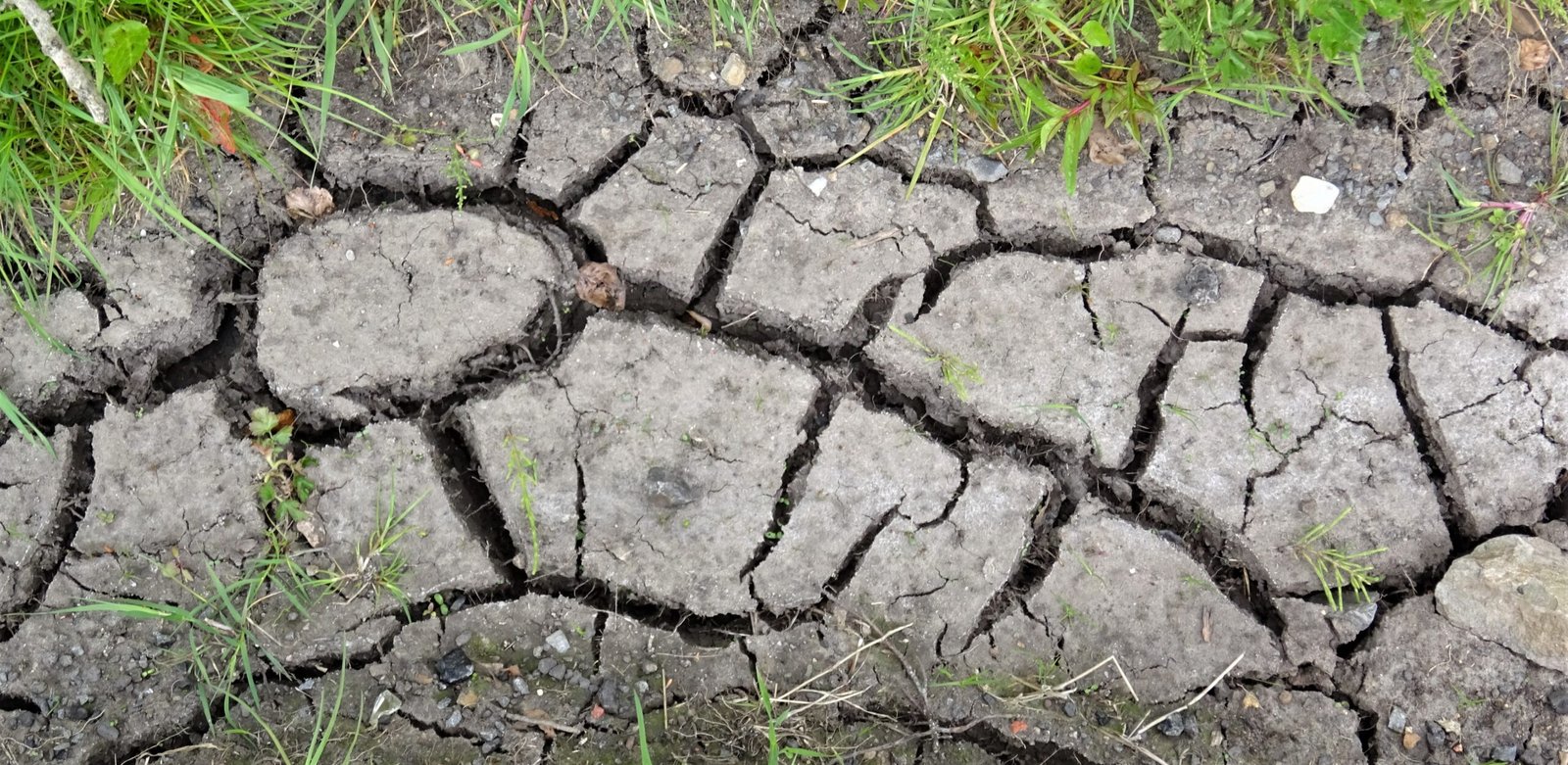
Heat is only part of the picture. Nearly 52% of the world’s land experienced extreme drought for at least a month in 2025, the second-highest level on record, threatening water supplies, agriculture and food security. Heat exposure cost an estimated 573 billion potential working hours worldwide in 2025, equivalent to about $1.07 trillion in lost income. The report also finds that the number of governments engaging with the health impacts of climate change has more than halved in four years, even as public interest in the issue has risen sharply.
The authors are calling for climate change to be formally recognised and addressed as a global health emergency, for a new WHO instrument to enable a coordinated global response, and for health to be placed at the centre of every climate decision, from emissions targets to climate funding. “A decade after the Paris Agreement, our findings are unambiguous: the health harms of climate change are growing faster than the world’s response to them, and in many cases even accelerating,” said Professor Marina Romanello, executive director of the Lancet Countdown.
The report also records progress. Global investment in clean energy reached a record $2.1 trillion in 2025, almost double the amount invested in fossil fuels, and cleaner air prevented an estimated 323,000 deaths a year in at least 77 countries. The WHO said climate action is itself a health intervention: cleaner energy, stronger health systems and early warning systems are already saving lives.
The WHO noted that, under the International Health Regulations, a public health emergency of international concern is an extraordinary event constituting a public health risk to other states that may require a coordinated international response, and that climate-driven events can meet those criteria. Since September, it has been responding to the expected health impacts of the ongoing El Niño event through a graded emergency response.
Sources: World Health Organization, “Climate change is a growing health emergency, Lancet Countdown warns”, https://www.who.int/news/item/28-10-2026-climate-change-is-a-growing-health-emergency–lancet-countdown-warns ; The 2026 Report of the Lancet Countdown on Health and Climate Change, The Lancet (2026), DOI: https://doi.org/10.1016/S0140-6736(26)01779-4 ; University of Birmingham, “Countries backsliding on health & climate change says report”, https://www.birmingham.ac.uk/news/2026/number-of-countries-engaging-with-health-and-climate-change-more-than-halved-in-four-years