





Deaths in the Democratic Republic of Congo’s Ebola outbreak have passed 5,000, according to the latest government figures, marking a grim milestone in an epidemic that has now spread further across Africa than any previous outbreak of the disease.
Data from the Congolese Ministry of Health, reported on Saturday, showed 5,026 people have died out of 10,351 infected, a lethality rate of nearly 50 per cent. So far, 2,788 people have recovered.
The outbreak, caused by the rare Bundibugyo strain of the virus, was declared in mid-May and caught authorities by surprise. It is already the second-deadliest Ebola outbreak in history, behind only the two-year West Africa epidemic of 2014 to 2016, which killed about 11,000 people across several countries.
“This is a very tragic milestone because it is just not a number,” said Dr Patrick Otim, a programme area manager with the World Health Organization. “It is families and communities that have been devastated by this outbreak. The number also shows the severity of this outbreak.”
The virus has spread to 67 of the country’s 178 health zones across eight of its 26 provinces, with 50 of those zones still reporting active cases. The eastern provinces of Ituri and North Kivu remain the epicentres, accounting for 9,782 confirmed cases and 4,792 deaths between them.
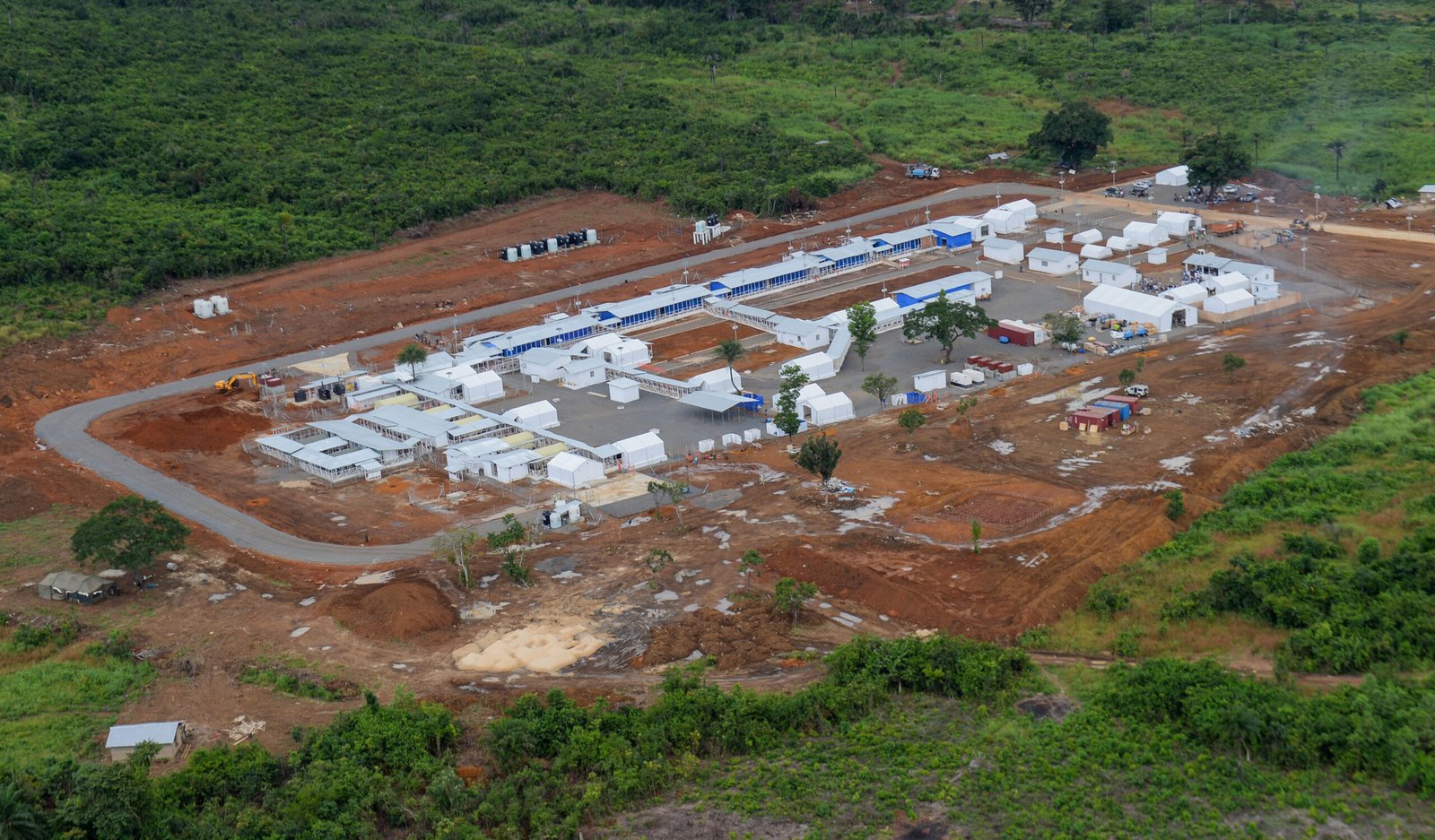
Containing the outbreak is proving exceptionally difficult. About 80 per cent of new cases are arising outside monitored contact chains, according to the Africa Centres for Disease Control and Prevention, meaning most new infections come from chains of transmission unknown to health authorities. A third of those who have died never reached a treatment centre, dying before they could be tested, the WHO said.
“These are people we never had opportunity to try to save them and it is one of the biggest concerns for us in this outbreak,” Otim said. “How do we try to reach people early to get them to come to health facilities to get a fighting chance to survive?”
The response is also being hampered by conflict, mistrust and unpaid wages. Eastern Congo is riven by fighting involving armed groups, including the Rwanda-backed M23 rebels, and an Islamist insurgency near the Ugandan border, limiting the reach of health workers. Disbelief in the disease has led to attacks on health staff and facilities, with a nurse killed while responding to an Ebola alert last week.
Health workers have repeatedly gone on strike over delayed pay. On Friday, workers at a treatment centre in Tchomia, in Ituri, downed tools demanding four months of unpaid wages, while the centre was caring for five confirmed patients and 10 suspected cases. Similar stoppages have hit centres in Beni, in North Kivu, where officials say cases are spiralling for lack of fuel and funding from central government.
The outbreak has also crossed borders. In October, Kenya confirmed eight cases and two deaths, while Nigeria confirmed a single case, later evacuated to Switzerland. Along with earlier cases in Uganda, that makes this the first Ebola outbreak recorded in three African regions, and the continent’s most geographically widespread.
There is no approved vaccine or specific treatment for the Bundibugyo strain, though health workers treat patients according to their symptoms and a candidate vaccine trial began in Congo earlier in October.
Sources: Associated Press, “Congo’s Ebola deaths top 5,000 as fear of continent-wide spread mounts” (31 October 2026), https://medicalxpress.com/news/2026-10-congo-ebola-deaths-continent-wide.html ; Reuters, “Congo Ebola deaths exceed 5,000, government data shows” (30 October 2026). Figures are Congolese Ministry of Health data as reported by AP; the Kenya and Nigeria case counts rest on the AP report.