


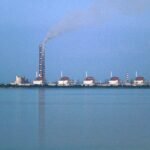




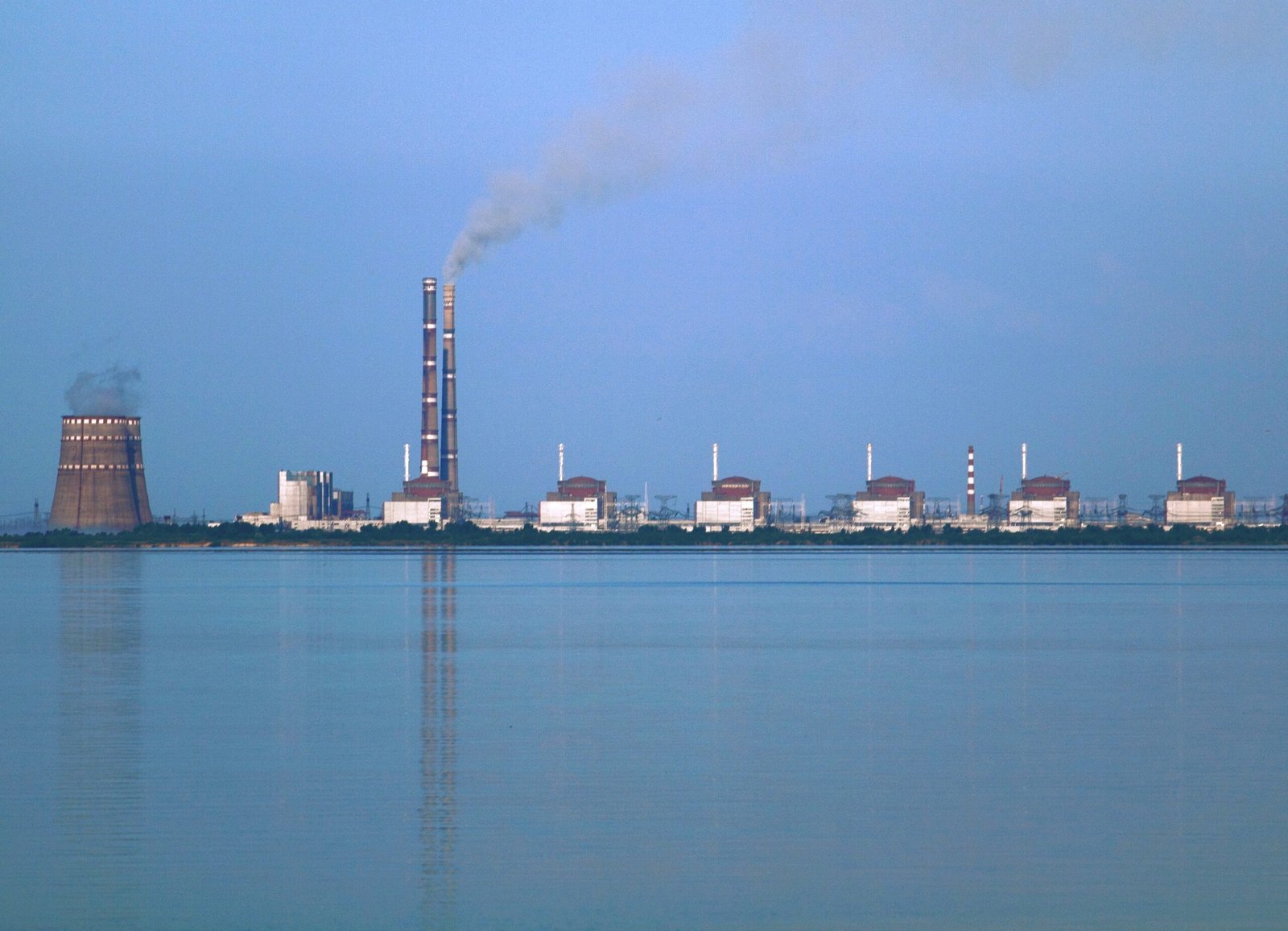
Europe’s largest nuclear power plant lost all external electricity early on Sunday, forcing it back onto emergency diesel generators to keep its nuclear fuel cool, the United Nations nuclear watchdog said.
The Zaporizhzhia plant, in south-eastern Ukraine and under Russian control since the first weeks of the war, lost its off-site power after the Ferosplavna-1 line disconnected at 02:36 local time, the International Atomic Energy Agency (IAEA) said. An attempt to reconnect the 330 kV line automatically failed.
It is the 27th time the plant has completely lost external power since the conflict began, and the 16th such blackout this year, according to Ukraine’s state nuclear operator Energoatom. The plant’s Russian-installed management said the line had been shut down by automatic protection systems after damage was detected, and that radiation levels on the site and in the surrounding surveillance zone were normal.
The plant produces no electricity — all six of its reactors are shut down — but it still needs a constant supply of power to cool nuclear fuel and run essential safety systems. With the grid connection gone, a limited number of diesel generators are doing that job. The IAEA said the plant has enough fuel to run them for about two weeks.
“The cause and location of the latest disconnection are not yet known,” the agency said in a post on X. Its director general, Rafael Grossi, called for the grid connection to be restored and for diesel stocks at the plant to be increased.
The main Dniprovska power line, the plant’s other external link, has been unavailable since at least 23 October, the IAEA said. A local ceasefire brokered by the agency in early September allowed repairs that restored power after the plant had been without it since 20 August, but the connection has proved fragile ever since.
The blackout came as Russian strikes again hit Ukrainian energy infrastructure overnight, with Ukrainian officials reporting new power cuts across several regions. Moscow and Kyiv have regularly accused each other of military action that puts nuclear safety at risk, and the IAEA has repeatedly warned that the plant’s reliance on diesel generators leaves little margin for error if the machines fail or the fuel runs out.
For now, the agency says the plant is stable, but every hour on backup power narrows the window for engineers to restore the grid link while fighting continues nearby.
Sources: Reuters; International Atomic Energy Agency (https://www.iaea.org); Energoatom.