







A simple swap in the world’s salt supply could prevent nearly three million deaths every year, according to a global modelling study published in the journal Nature Health.
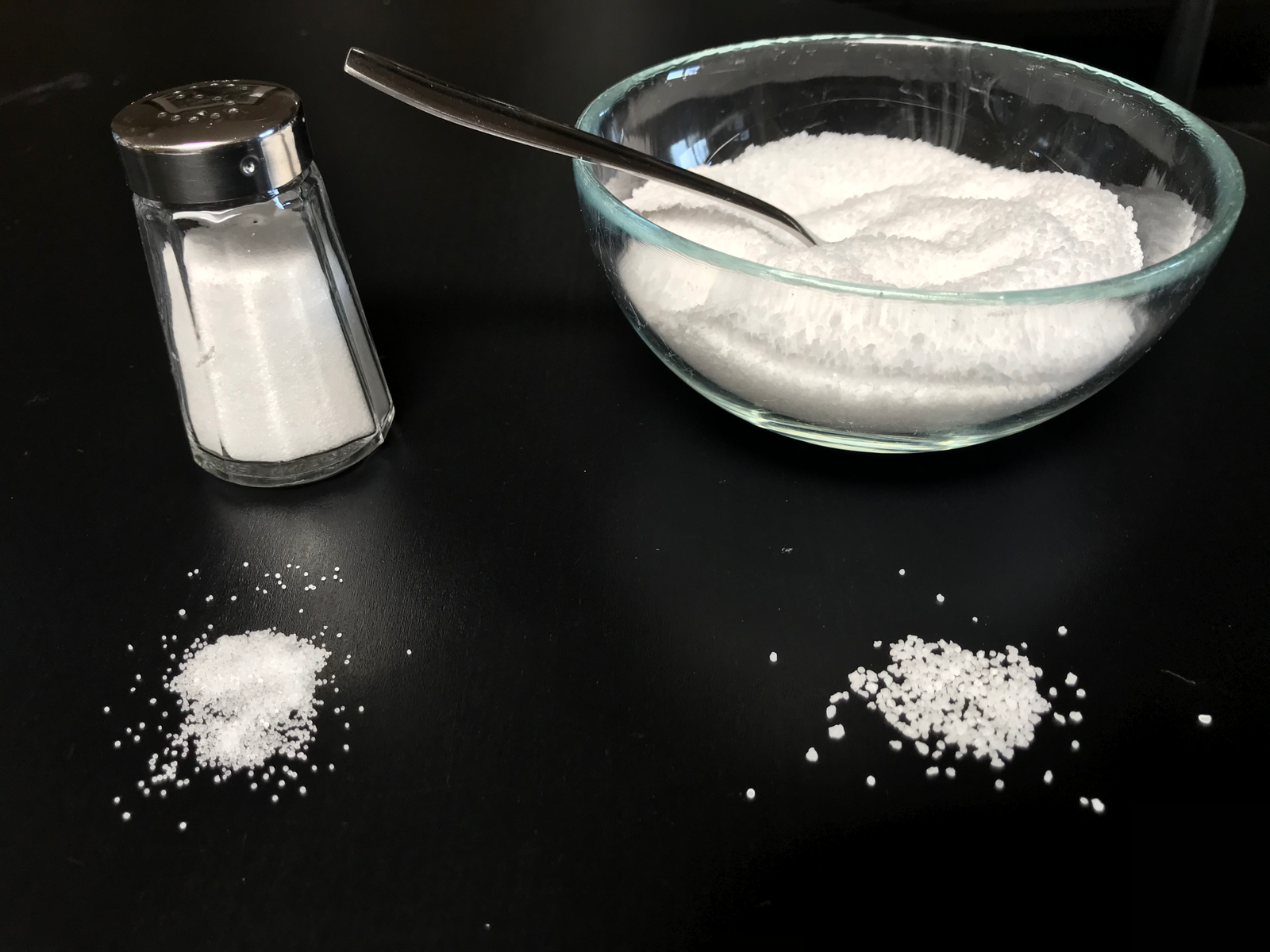
Researchers at The George Institute for Global Health and the University of New South Wales modelled what would happen if ordinary table salt were replaced with a potassium-enriched alternative — a blend of 75 per cent sodium chloride and 25 per cent potassium chloride — across 193 countries and territories.
Under the most ambitious scenario, in which all added salt, both the salt people add while cooking and the salt embedded in processed and restaurant food, is replaced, the model projected 2.96 million deaths averted each year, with a 95 per cent uncertainty interval of 2.81 to 3.12 million. It also projected 10.17 million fewer new cases of cardiovascular disease and chronic kidney disease annually, and 69.43 million disability-adjusted life years saved.
The benefit comes mainly through blood pressure. Cutting sodium while adding potassium lowers blood pressure, which in turn reduces the risk of heart attacks, strokes and kidney failure. The researchers note that the projections already account for a possible rise in deaths from high blood potassium, known as hyperkalaemia, among people with kidney disease — those modelled deaths were subtracted from the total.
Some countries would gain more than others. In India alone, a full switch was projected to prevent about 400,000 deaths and 1.52 million new cases of heart and kidney disease each year. In the United States, the estimate was close to 105,000 deaths averted annually. Bruce Neal, a senior professorial fellow at The George Institute, said the gains could avert as many as one in ten cardiovascular deaths in most countries.
The figures are projections from a model, not deaths already prevented. The authors are candid about the limits: the underlying data are a few years old, the split between salt added at home and salt in processed food is poorly documented in many countries, and a worldwide switch would take decades to achieve. The World Health Organization endorsed potassium-enriched salt in 2025 as a way to reduce blood pressure and cardiovascular risk, and the approach builds on clinical evidence including the Salt Substitute and Stroke Study published in the New England Journal of Medicine.
Sources: Huang, L. et al., “Global health outcomes from replacing dietary sodium chloride with potassium-enriched salt”, Nature Health, https://doi.org/10.1038/s44360-026-00216-9 ; Healthline, https://www.healthline.com/health-news/healthy-salt-substitute-may-prevent-millions-of-heart-disease-stroke-deaths