



Social media is full of claims that the polar vortex is about to “collapse” and that a cold, snowy winter is inevitable. The truth is more interesting, and much less certain.
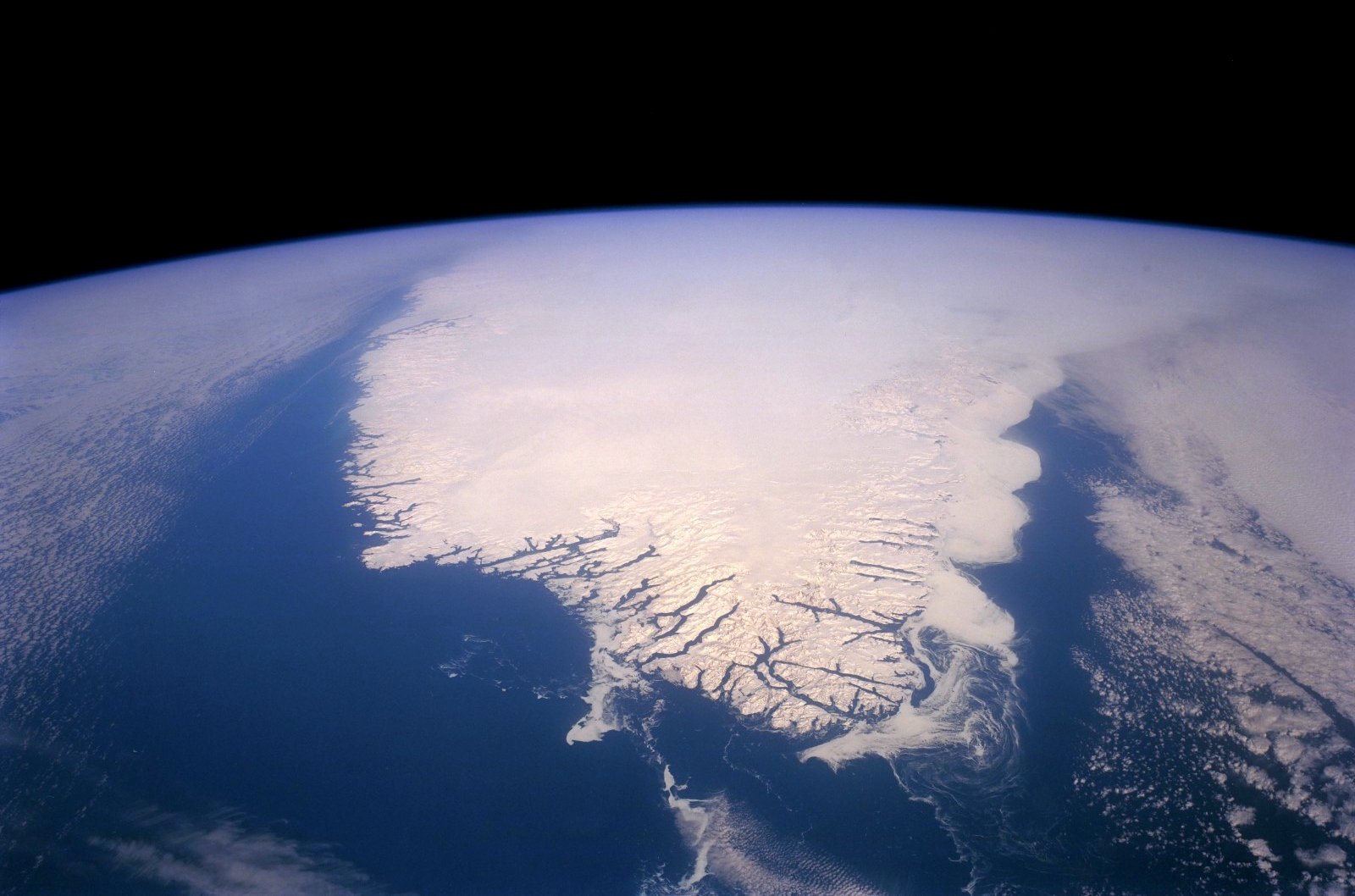
The polar vortex is a band of fast-moving winds, high in the stratosphere above the North Pole, that keeps the Arctic’s cold air penned in. That band has weakened dramatically, and unusually early. The BBC reports that it is the earliest weakening of the vortex on record, and one of the fastest. The Met Office’s Jeff Knight has described it as the earliest such weakening on record.
If the high-altitude winds reverse, the event would count as a major sudden stratospheric warming, something that has never been recorded in November. Such warmings can push the jet stream south and let cold air spill over the UK, raising the odds of colder weather and snow. But they do not guarantee it.
There are several reasons for caution. The Arctic is not yet fully cold, so the effect of a disruption now may be weaker than it would be later in the winter, said Professor Andrew Charlton-Perez of the University of Reading. Forecast models also disagree about whether the vortex will genuinely reverse, and snow is not thought likely in the UK in the coming weeks.
There is also a worry in the other direction. A disrupted vortex can sometimes bring drier weather, which would make life harder in a country where much of England and Wales is already in drought, with some reservoirs at low levels.
Why it happened is not fully understood. Natural variability is one possibility, and a record El Nino event may also have played a role, although the link is unclear and researchers are still investigating.
So the “collapse” talk is overblown. The vortex is weakening, not collapsing, and no one can yet say whether Britain will get snow this winter, only that the chances have shifted, and that the science is still being done.
Sources: BBC; Met Office.