









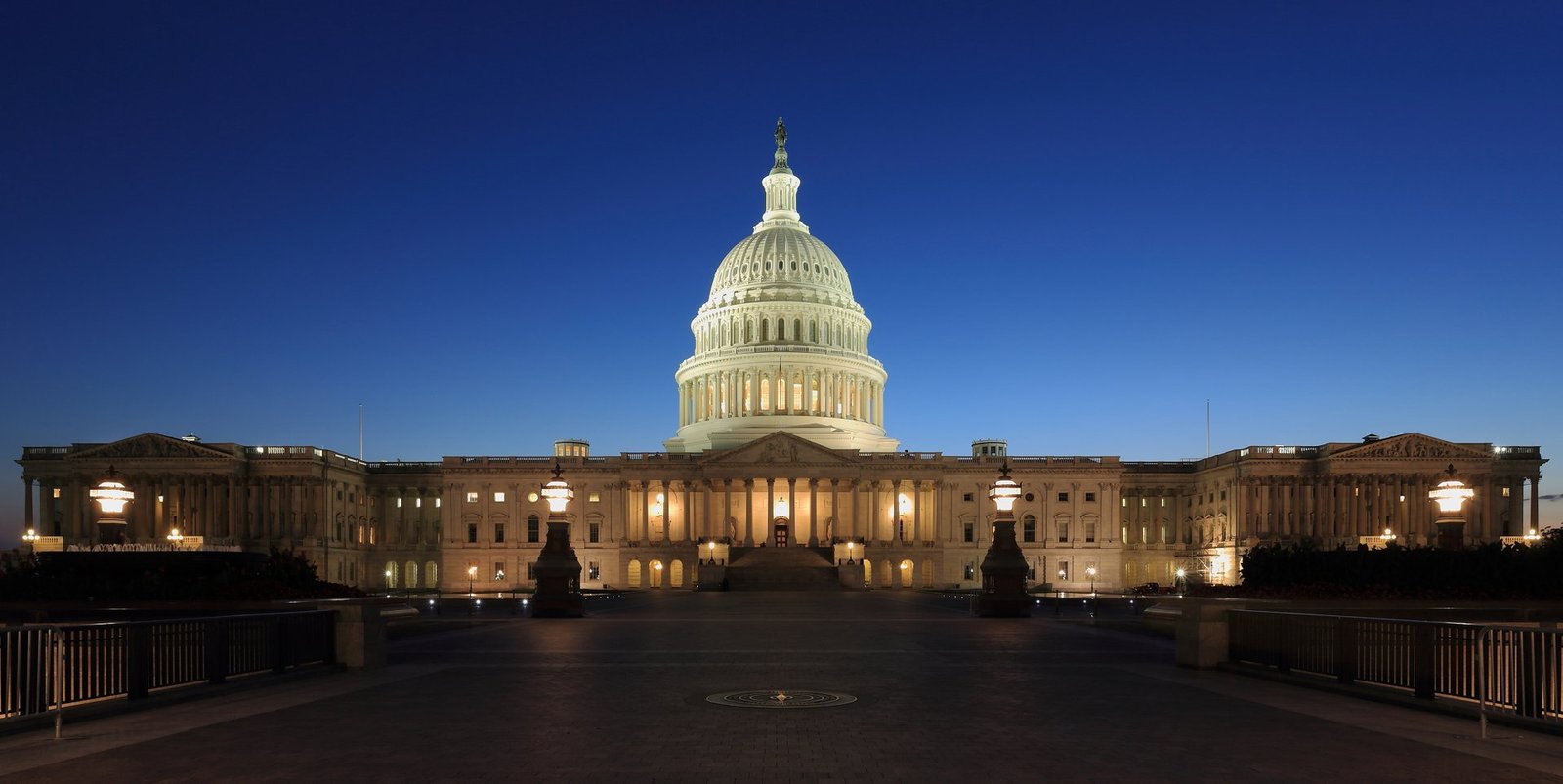
The US Senate voted 73–25 on Monday to begin debate on a sweeping bipartisan bill to overhaul federal permitting for energy and infrastructure projects, clearing the first of two 60-vote hurdles in the lame-duck session. The vote, to invoke cloture on the motion to proceed, passed with 51 Republicans, 21 Democrats and one independent, according to Associated Press reporting.
The Bipartisan American Affordability and Jobs Act, introduced on 30 September and revised through a manager’s amendment released on Saturday, would shorten environmental reviews, set deadlines for agency decisions and make it harder for approved projects to be blocked or reversed. It would revise several bedrock laws, including the National Environmental Policy Act, the Clean Water Act, the Endangered Species Act and the National Historic Preservation Act. Large data centres would have to pay more of the cost of the grid upgrades they require, rather than passing those costs on to other customers.
The deal was negotiated by the bipartisan leaders of the Senate’s environment and energy committees: Republicans Shelley Moore Capito of West Virginia and Mike Lee of Utah, and Democrats Sheldon Whitehouse of Rhode Island and Martin Heinrich of New Mexico. Whitehouse described the measure as a climate and clean-energy bill and said it would lower electricity costs, telling reporters it could save consumers about $60 to $80 a month — a supporters’ estimate, not an established outcome.
The vote exposed deep divisions among Democrats, who won both chambers in the 3 November midterm elections and take office in January. Nearly 100 Native American organisations urged Congress on Monday to halt consideration of the bill, saying it would weaken protections for tribal sovereignty, sacred sites and cultural resources. The League of Conservation Voters and the Center for American Progress said the weekend changes were improvements but the bill still carried significant risks for public lands and the environment. Senator Ron Wyden of Oregon voted against taking up the bill, saying the issue should wait for the new Congress, and former Vice President Al Gore came out against it on Monday.
The revised text added requirements for federal agencies to consult tribes throughout the permitting process, expanded states’ role in transmission planning and created a new Department of Energy programme to help communities assess the impact of data centres. Whitehouse said the Trump administration had assured him that a backlog of hundreds of stalled wind-energy permit applications at the Department of Defense would begin moving. President Donald Trump, who supports the bill, said around the time of the vote that he would not approve new wind turbines.
Monday’s vote was procedural, not final passage. The bill now faces an amendment process on the Senate floor, and final passage will again require 60 votes. If it clears the Senate, it must still pass the House before it can become law — and the current Congress leaves office on 3 January 2027.
Sources: Reuters, https://www.reuters.com/legal/litigation/democratic-us-senators-see-hope-permitting-bill-ahead-key-senate-vote-2026-11-09/ ; Washington Examiner, https://www.washingtonexaminer.com/policy/energy-and-environment/4797873/major-bill-cut-red-tape-energy-projects-clears-senate-hurdle/