








More than 1,150 American schools closed during the last academic year, the highest number since the pandemic, as falling pupil numbers outpace the pace at which districts are shutting buildings. New research suggests more painful budget decisions lie ahead, with enrolment dropping far faster than the number of campuses.
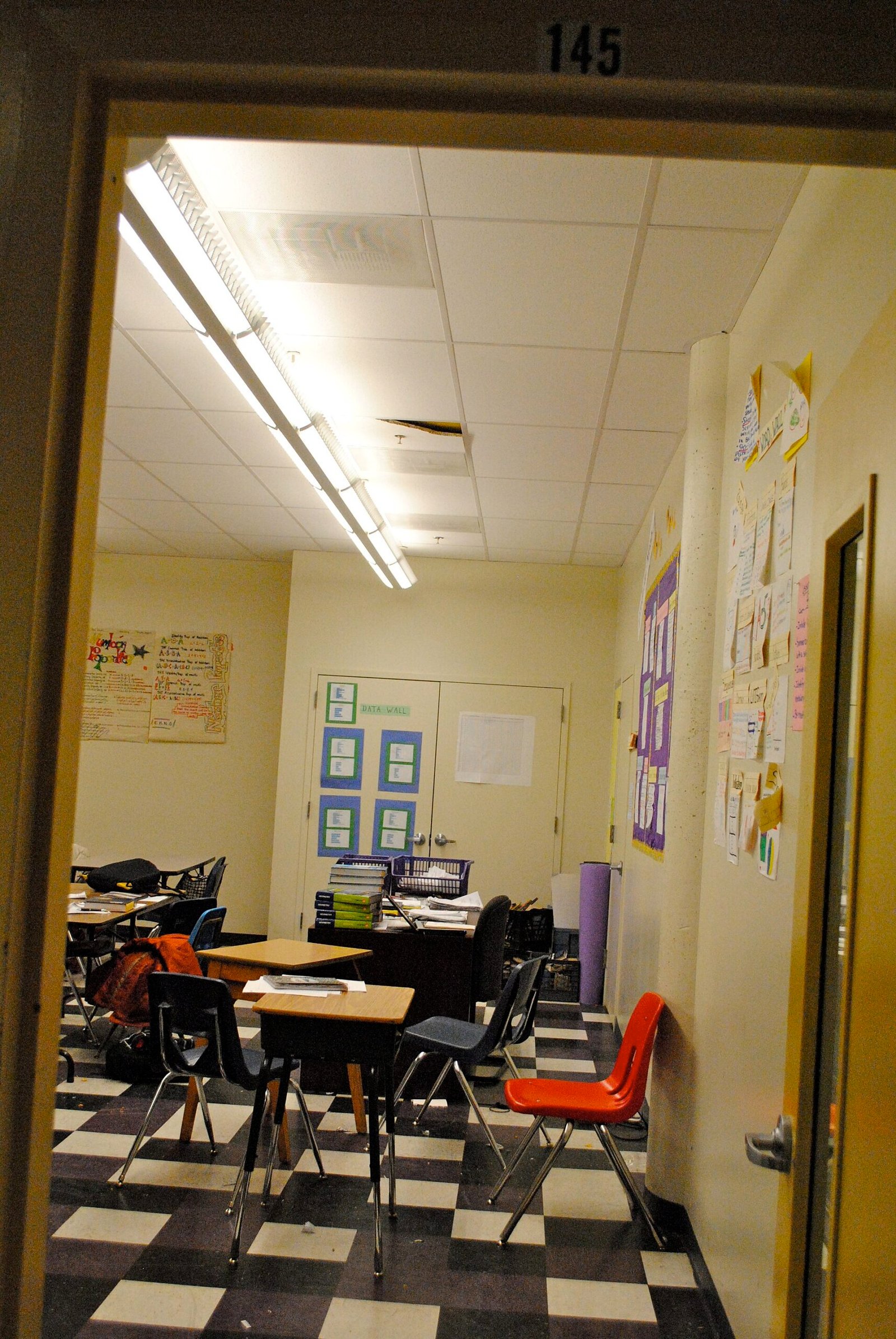
A total of 1,156 schools closed in the last academic year, according to an analysis of federal data by Big Local News at Stanford University. At the same time, public school enrolment fell by more than 1.4 million pupils, roughly 3 per cent, between autumn 2019 and 2024, according to an Associated Press analysis of federal education data. The total number of schools has fallen too, but only to about pre-pandemic levels, suggesting closures are lagging well behind the decline in pupils.
The pattern is starkest in Vallejo, California, a working-class district near San Francisco. Enrolment there has tumbled from nearly 18,000 in autumn 2006 to about 9,300 today, according to the district. Leaders have closed five campuses since 2025, a quarter of its schools, and placed up to a third of all staff positions on the chopping block to help plug a $36 million deficit. Its schools are, on average, only 46 per cent full.
Lower birth rates are the primary reason for the decline, after a multi-decade slide in the number of children being born. A federal crackdown on immigration and the post-pandemic expansion of private school vouchers and homeschooling have also contributed, while state and federal education funding tightens.
Yet closing schools rarely delivers the savings districts hope for. Busing pupils to their reassigned schools, severance for dismissed staff and security for empty facilities often eat up any savings. Research from the University of Chicago shows displaced pupils often suffer long-term drops in reading and maths, especially when they end up at low-performing schools. Closures can also set off a downward spiral, as frustrated families move to charter or private schools or other districts, further eroding the funding schools receive per enrolled pupil.
The financial stakes are large. Bellwether and WestEd, two research groups, estimated in a recent report that declining enrolment could cost schools $11.5 billion in state revenue a year by 2030-31, potentially prompting widespread layoffs, cuts to academic programmes and more closed or consolidated schools. Large systems in Cleveland, Houston and Philadelphia are facing similar closures, and California has recorded one of the nation’s steepest enrolment drops.
Vallejo’s superintendent, Rubén Aurelio, said the cuts were necessary to correct for a district built for a different reality. “We’re not just closing schools to close schools,” he said. “We’re right-sizing a district that was built for significantly more kids.” But Lydia Rainey, a research principal at the Center on Reinventing Public Education, cautioned superintendents against hoping pupil numbers bounce back. “That’s extremely wishful thinking,” she said, noting that states are not about to open the coffers to save schools.
Sources: The Hechinger Report — https://hechingerreport.org/more-communities-are-closing-schools-the-cuts-may-not-be-enough/ ; Associated Press reporting on US school enrolment and closures, via The Hechinger Report and Big Local News at Stanford University.