








India’s government ordered internet providers to block 129 betting websites this year on the strength of two high court orders that were forged, a Reuters investigation has found, exposing a hole in one of the world’s strictest online content-removal systems.
The Department of Telecommunications issued blocking directions on 21 July and 2 September, both published on its website as routine uploads. Each directive arrived with an emailed copy of a purported order from a state high court — Rajasthan in the west and Uttar Pradesh in the north — instructing the removal of dozens of websites.
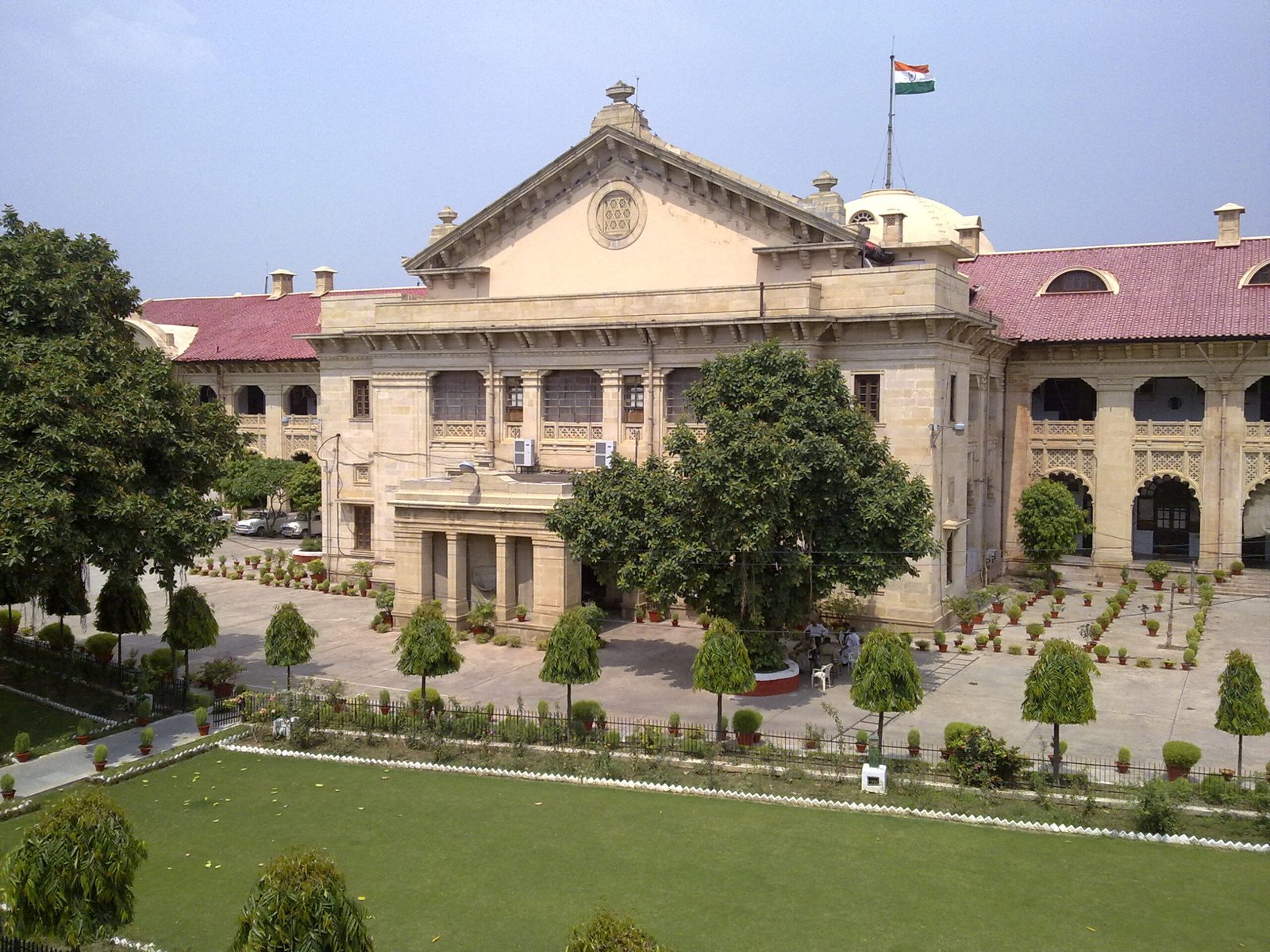
A Reuters review found that neither order appears in the courts’ online registration records. The Rajasthan High Court’s registrar told the news agency by email that the order bearing its name “appears to be fraudulent” and did not exist on its server. In Uttar Pradesh, the Allahabad High Court established that its order was fake and filed a police complaint on 6 November, after Reuters raised questions. Police documents seen by Reuters show an investigation has been opened into alleged forgery and cheating, though no arrests had been made.
“It is fake. It is not a genuine order from High Court of Allahabad,” Ghanshyam Yadav, a senior state cybercrime official, told Reuters by telephone.
Between them, the two orders affected 129 websites offering gambling, which is illegal under Indian law. Reuters could not establish who created the fake orders, or whether artificial intelligence was used to produce them. Both bore blue court seals carrying India’s national emblem, as genuine orders do, and both remained on the telecoms ministry’s website on Wednesday.
The Rajasthan order reached the telecoms department in an email sent at 8:59 p.m. on Sunday, 19 July, signed by someone describing himself as advocate-on-record Aryan Chaudhary. A Reuters query to the email address used by Chaudhary bounced back as “Recipient not found”. The order invoked a powerful provision of Indian IT law that allows takedowns in the interest of national security, and instructed that its directions be executed within 24 hours. Two days later, the government told internet service providers to remove 34 betting websites.
The Allahabad order carried the court’s logo and seal and a QR code of the kind that normally lets anyone verify its authenticity. But the code led to a random webpage displaying a one-line case number, “Writ — A 30480/2026”. That same number was cited by a man identifying himself as advocate Kartikey Pandey, who sent the fake order to Indian officials on 22 August. After exchanges among officials, including a request for an “action taken report”, the government on 2 September told providers to block access to 95 betting websites. The order was signed in the name of “Justice Garima Prashad”; police documents say her office has confirmed that “no such order has been passed by Her Ladyship.”
The findings are the latest sign that forged orders are slipping past India’s official content-removal mechanism. Prime Minister Narendra Modi’s government has often faced criticism for ordering takedowns of online posts and websites, but maintains it acts only in the public interest to protect law and order. India’s Supreme Court said last year that fabrication “bearing forged signatures of judges strikes at the very foundation of public trust” and that “such grave criminal acts cannot be treated as ordinary or routine offences”.
Elon Musk’s X, which has previously challenged the government’s expanding blocking powers, was itself caught up in fake-order issues last week, telling an Indian court that police directives it had sent to two free speech groups warning them about the removal of their accounts were found to be fake.
Note: this report is based on a single investigation by Reuters; the identity of whoever created the forged orders has not been established.
Sources: Reuters — “India ordered website takedowns on fake court orders, Reuters finds; police launch probe”, https://www.reuters.com/world/india-ordered-website-takedowns-fake-court-orders-reuters-finds-police-launch-2026-11-11/