
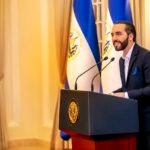


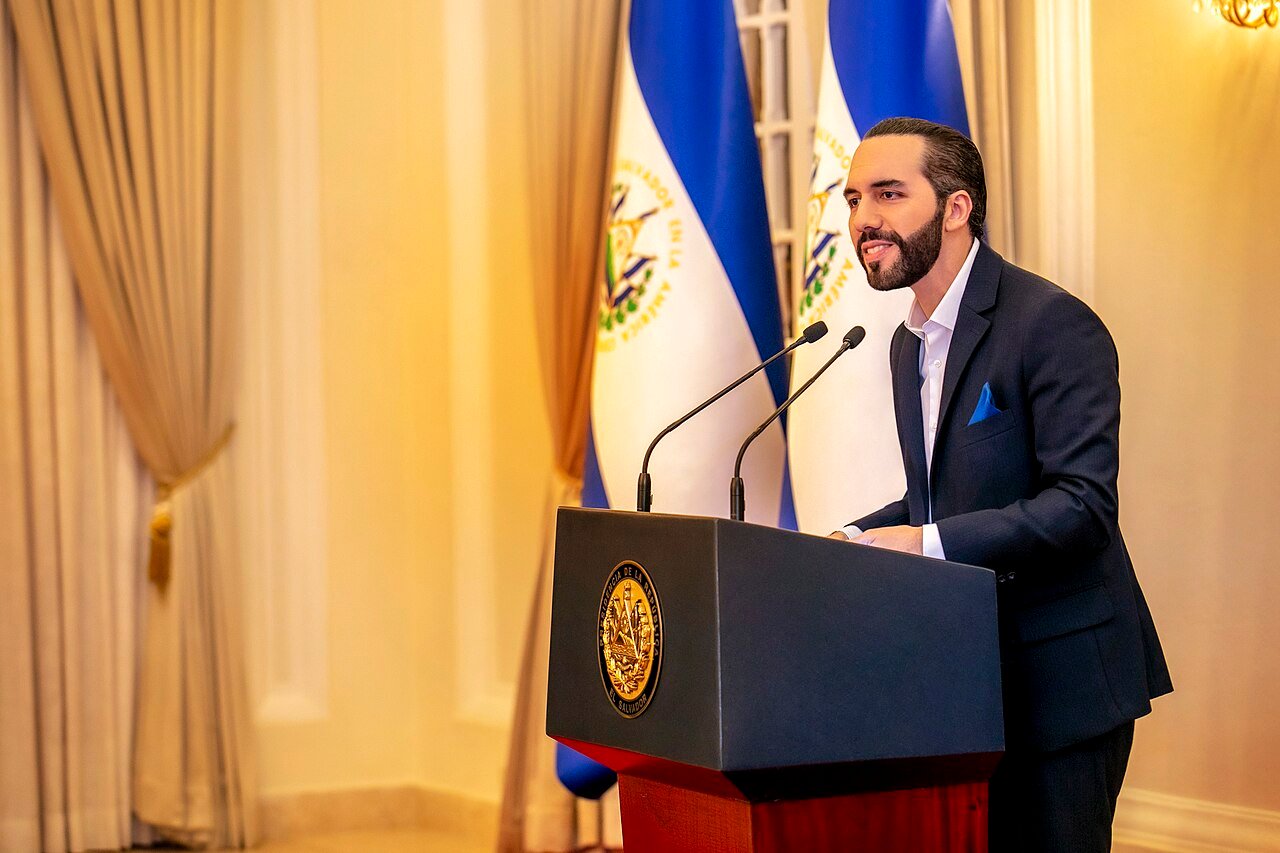
Salvadoran special forces and Haitian security troops have retaken Haiti’s national stadium in Port-au-Prince after two years under gang control, President Nayib Bukele said on Friday, in the most visible gain yet of El Salvador’s military deployment to the Caribbean country.
Bukele said the joint operation, involving the Haitian National Police, the Haitian Armed Forces, a government task force and Salvadoran special forces, took “full control” of the Stade Sylvio Cator in a pre-dawn raid on Thursday. The stadium, Haiti’s largest, had been held by armed gangs since 2024 and had forced the national football team to play its home matches elsewhere.
“During the operation, we discovered several human skulls inside the stadium,” Bukele wrote on social media. That claim has not been independently verified, and no details have been released about the remains or how they came to be there.
Bukele said the stadium would now serve as an operational base from which security forces would push into gang-held neighbourhoods. He warned gang members to leave the area around the stadium before the next offensive begins.
The operation is the latest step in a deployment that began in late October, when Bukele sent troops to Haiti after four Salvadoran aviation technicians serving with the United Nations-backed Gang Suppression Force were ambushed in Croix-des-Bouquets, near the capital. The four men have not been found, and a gang leader has claimed they are dead, without providing evidence.
More than 2,000 Salvadoran troops are now operating in Haiti, the largest single-country deployment there since the UN’s Minustah mission ended in 2017. El Salvador says it covers 90 per cent of the costs of the deployment, which is authorised under a bilateral agreement with Haiti’s government and a law passed by its legislature in September.
The offensive has already produced striking images: on Tuesday Bukele posted footage of attack helicopters firing on a compound near the capital, and said his forces had destroyed the headquarters of the 400 Mawozo gang, one of Haiti’s most powerful criminal groups. Its leader, Wilson Joseph, known as Lanmo San Jou, survived the strike, according to the Associated Press.
The gang has since contacted Haiti’s disarmament commission to seek talks and asked for military operations to be suspended in some areas, the AP reported.
Haiti’s prime minister, Alix Didier Fils-Aime, is due to visit El Salvador next week to discuss the future of the Salvadoran deployment. The visit comes as questions grow over the legality and accountability of the operation: neither government has publicly disclosed the agreement setting out the Salvadoran forces’ authority, rules of engagement or how long they will stay.
The United States has kept its distance. Secretary of State Marco Rubio has said Washington is “not actively involved” in the Salvadoran offensive, even as President Donald Trump has praised Bukele’s security crackdown at home.
For Haiti, where armed groups control large parts of Port-au-Prince, the recapture of the national stadium is a symbolic as well as a practical gain. Whether it becomes the springboard for a wider offensive, as Bukele promises, or a brief foothold in a city still largely ruled by gangs, will become clear in the coming days.
Sources: Associated Press (via Genocide Watch, https://www.genocidewatch.com/single-post/haitian-leader-to-visit-el-salvador-to-discuss-future-of-salvadoran-offensive-in-haiti); Demócrata (https://www.democrata.es/en/international/bukele-reports-on-the-occupation-of-haiti-s-main-stadium-and-the-discovery-of-human-skulls-inside-it/); The Haitian Tribune (https://haitiantribune.com/bukele-warns-gang-members-to-leave-as-salvadoran-and-haitian-forces-secure-sylvio-cator-stadium/).