








The world oil market has swung back into surplus for the first time since the war in Iran began, the International Energy Agency said on Friday, as exports from the Gulf recover faster than demand despite continued attacks on shipping.
In its monthly Oil Market Report, the Paris-based agency said global oil supply would average 105 million barrels a day in the fourth quarter, 1.7 million barrels a day more than forecast demand. It had previously expected a deficit for the quarter, and the shift marks a sharp turn from the shortages that dominated markets earlier this year.
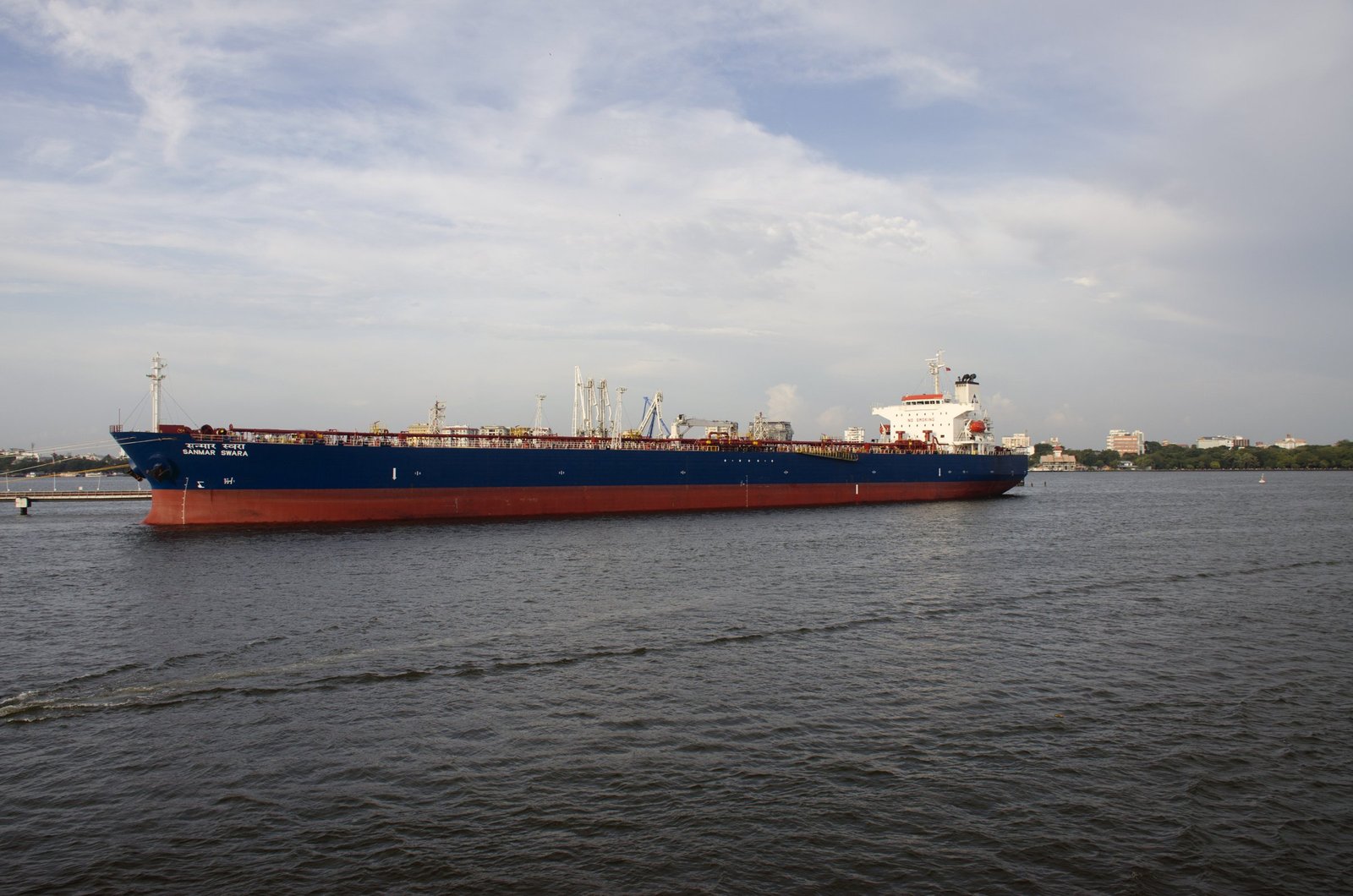
Supply rose by 2.3 million barrels a day in October to 105.4 million, after a three-million-barrel jump in September, as Gulf producers found ways around wartime disruption — including so-called “dark crossings” through the Strait of Hormuz, in which tankers switch off their tracking signals to evade attack.
The OPEC+ group, which includes the Organization of the Petroleum Exporting Countries and allies such as Russia, pumped 41.23 million barrels a day of crude in October, up about 2.04 million from September and 97 per cent of its pre-war February volume, according to OPEC figures.
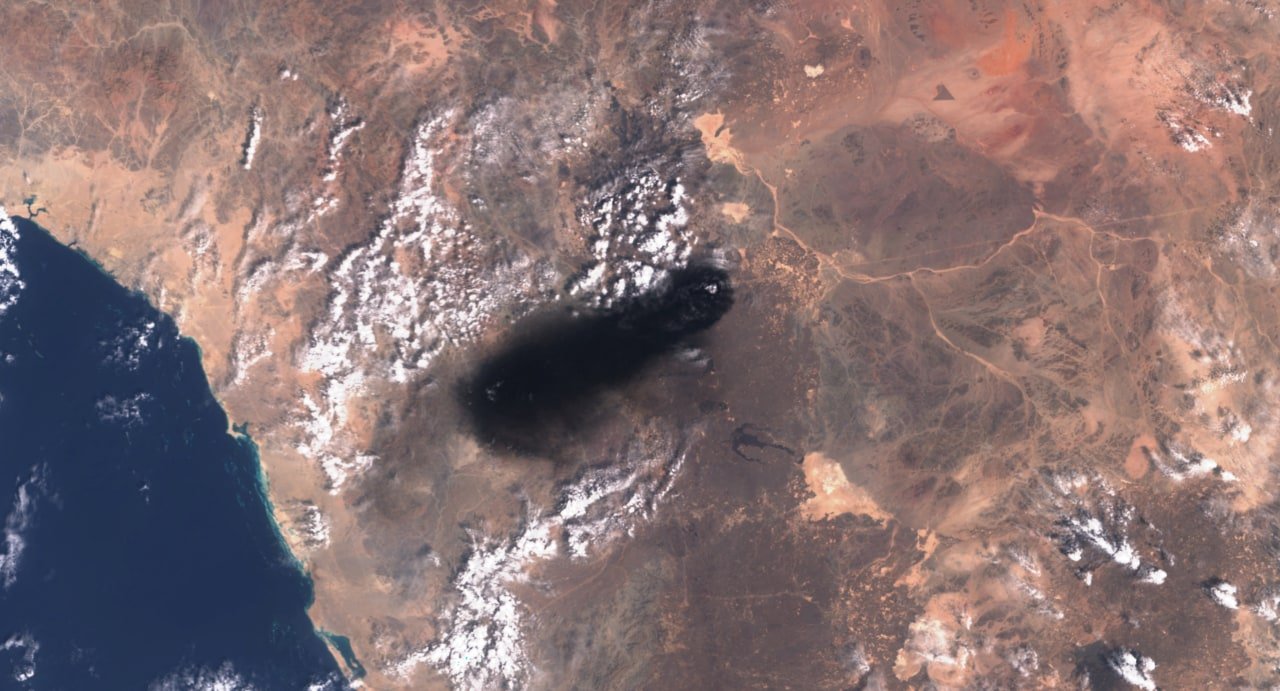
Prices have eased on the loosening outlook. Brent crude held near $96 a barrel on Friday, close to Thursday’s $95.82 settlement, after jumping 3.3 per cent the previous day on Houthi claims of strikes on Saudi energy sites. North Sea Dated crude has fallen 32 per cent from $136 a barrel on 8 October to about $93 — still $22 above pre-war levels.
The agency also gave more details of the record release from its members’ emergency reserves pledged in March, saying 71 million barrels would be made available by the end of February, including 15 million barrels of diesel to ease market tightness. If current schedules are met, total emergency stocks released would reach about 420 million barrels, above the 400 million barrels committed in March after the Iran war cut supplies from the Middle East.
On demand, the IEA expects world consumption to fall by 2.7 million barrels a day in 2026 to 102.3 million, with a rebound of about 2 million barrels a day in 2027. “The oil market is showing tentative signs of rebalancing, with global oil supplies surpassing demand for the first time since the outbreak of the war in Iran,” the agency said in its report.
The surplus is a forecast, not a certainty: it depends on Gulf exports continuing to recover through the final quarter, and on shipping through the Strait of Hormuz staying open despite the attacks that have hit tankers there in recent weeks.
Sources: Reuters — “World oil market is returning to surplus as Gulf exports recover, IEA says” and “Oil releases from IEA emergency stocks to pick up through February, agency says”