






A single infusion of a CRISPR gene-editing treatment kept blood fat levels low in monkeys for three years, researchers report in the journal Nature, raising the prospect of a one-off treatment for high cholesterol and triglycerides instead of a lifetime of daily pills.
The treatment, developed by Verve Therapeutics, works by disabling a gene called ANGPTL3, which produces a protein secreted by the liver that slows the clearance of fats from the blood. Switching the gene off lowers both triglycerides and LDL cholesterol, the so-called “bad” cholesterol that drives atherosclerotic heart disease.
In the durability study, ten monkeys with normal blood lipid levels received a single infusion of the treatment and were followed for three years. Their ANGPTL3 protein levels averaged about 94 per cent below where they started, triglycerides averaged 43 per cent lower, and LDL cholesterol fell by a more modest 13 per cent. Liver samples showed the DNA edit was still present at similar levels at seven weeks and at three years.
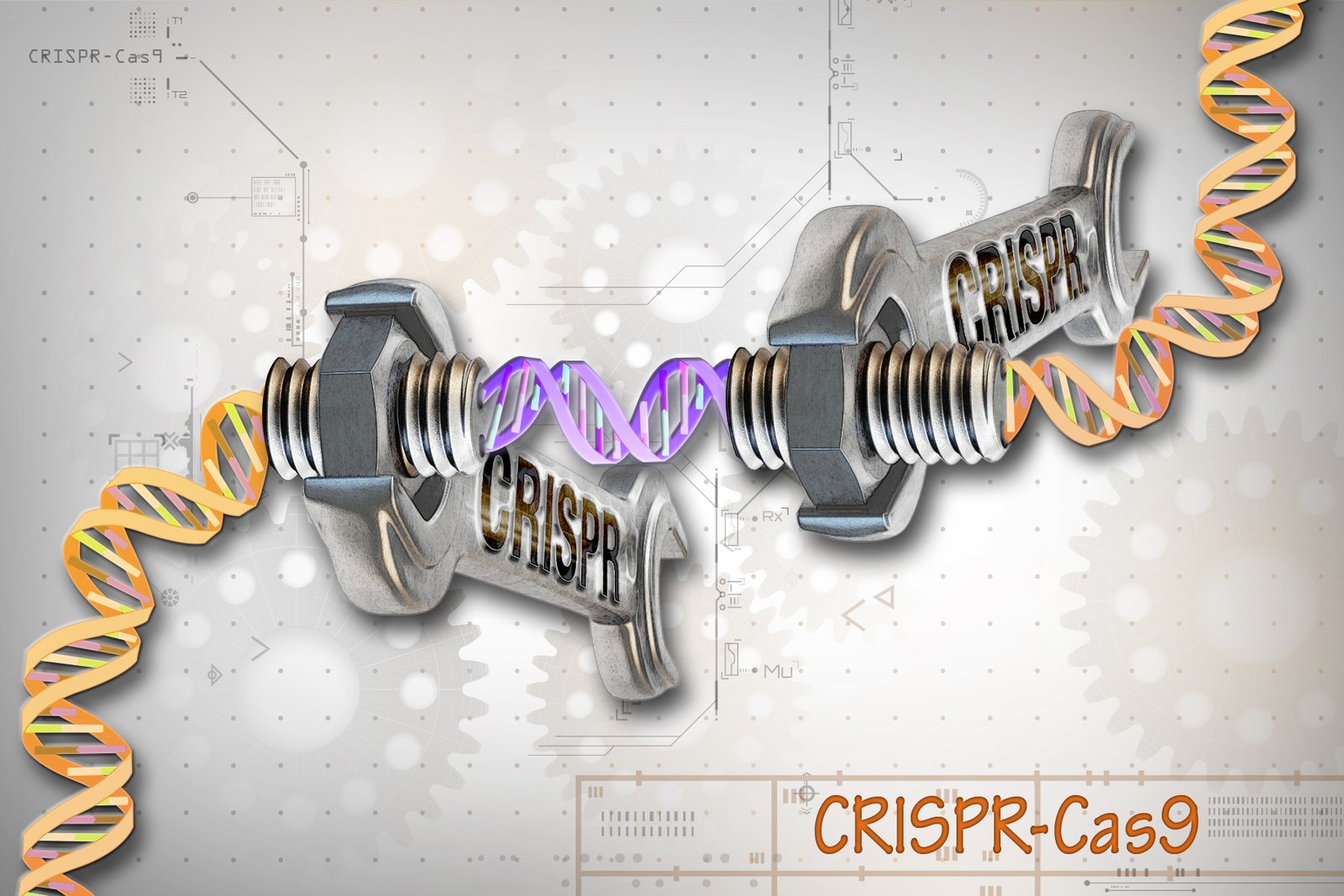
The treatment packages RNA instructions for a CRISPR base editor, together with a guide that directs it to ANGPTL3, inside tiny fat-based particles. The editor changes a single DNA letter, disrupting the instructions for making the protein. The delivery particles and the RNA are largely cleared from the body afterwards; the DNA change is designed to remain.
The researchers also tested the approach in a harder setting: monkeys whose LDL-receptor gene had been disrupted, mimicking homozygous familial hypercholesterolaemia, a rare inherited disorder that causes dangerously high cholesterol. Conventional fat-based particles rely heavily on LDL receptors to enter liver cells, so the team’s particles carry a sugar-based targeting molecule, GalNAc, that provides access through a different receptor. In four such monkeys, treatment cut average LDL cholesterol from 458 to 247 milligrams per decilitre after 35 days, a drop of 46 per cent. That shorter experiment did not establish whether the benefit would last for years in animals with receptor deficiency.
On safety, liver enzymes in the treated monkeys rose temporarily but returned to baseline within two weeks, and follow-up tests and tissue examinations found no evidence of lasting liver toxicity. In cultured human liver cells, the human version of the treatment produced no detectable unintended editing at roughly 3,000 candidate DNA sites, although the researchers note that such a targeted search cannot exclude every possible unwanted change.
The human version, called VERVE-201, is already being evaluated in a phase 1b trial in people whose blood lipids remain inadequately controlled. The gene is a proven target: evinacumab, an antibody drug for severe inherited cholesterol disorders, blocks the same ANGPTL3 protein but requires infusions every four weeks. Gene editing aims to stop the liver producing the protein in the first place.
The findings come with an important caveat. Verve, an Eli Lilly subsidiary, funded the work, most of the authors are company employees, and several hold Lilly shares or are named on related patent applications. The results are also in animals, and whether a lasting edit can safely deliver the same benefit in people is now a question for the human trials.
Sources: Taiji Mizoguchi et al., “In Vivo CRISPR Base Editing of ANGPTL3 for Durable Lipid Lowering”, Nature (2026), https://doi.org/10.1038/s41586-026-11233-9; Medical Xpress, “A single CRISPR infusion lowers blood fats in monkeys for three years”, 14 November 2026, https://medicalxpress.com/news/2026-11-crispr-infusion-lowers-blood-fats.html