







The flu season in the United States is off to an unusually early and rapid start, with the Centers for Disease Control and Prevention (CDC) reporting a sharp rise in activity across the South and West.
In its latest weekly update, published on Friday, the CDC said seven states were reporting high flu activity, up from just two the week before. More than 3 per cent of doctors’ office visits last week were for flu-like illness, a threshold that signals the season is properly under way. Louisiana is seeing the worst of it so far.
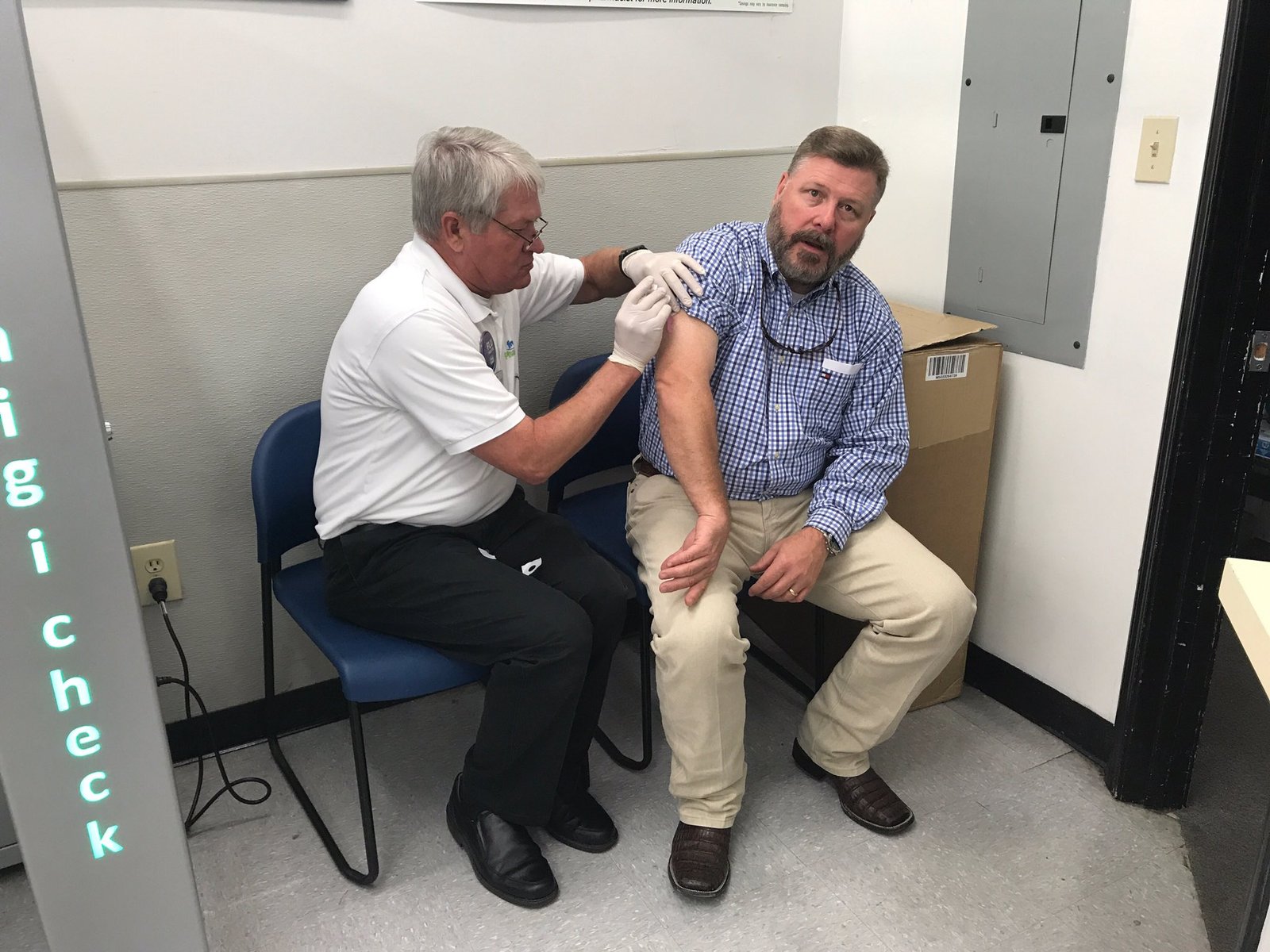
“Flu season is taking off and it’s taking off in a direction that’s only likely to increase in the next month or two,” said Dr Fred Lopez, an infectious diseases specialist at the LSU Health Sciences Center in New Orleans. “If you haven’t been vaccinated, you should get vaccinated now.”
Activity at this point in the year is running higher than usual, although the CDC said it was not yet clear whether that meant the season as a whole would be worse than recent ones. One early warning sign stands out: the flu hospitalisation rate in mid-October was the highest seen that early in an autumn in more than 15 years, according to Dr Anna Durbin of Johns Hopkins University, speaking at a recent media briefing.
The CDC estimates that at least 2.6 million illnesses, 36,000 hospitalisations and 2,100 deaths so far this season are linked to flu infections.
The surge began in the South and West. The states reporting high activity include California, Louisiana, Oregon, South Carolina, Tennessee, Texas and Washington. Louisiana is often among the first to see flu surges each year, a pattern Dr Lopez linked in part to low vaccination rates, high poverty and difficulties in accessing health care.
Doctors expect the spread of flu and other respiratory viruses to accelerate as people travel and gather for Thanksgiving later this month. “As we prepare to gather with family and friends over the upcoming holidays, getting vaccinated is especially important,” said Dr Nicole Iovine, an infectious disease specialist affiliated with the University of Florida.
People who are currently suffering significant symptoms should wait before being vaccinated, because the body’s immune system is otherwise occupied, Dr Lopez said. But those who have already had flu this autumn should still get a jab, because the vaccine protects against three kinds of flu virus and more than one strain often circulates in a season.
Most illnesses so far are caused by a version of the A H1N1 flu bug carrying mutations that could help it slip past the immune system’s defences more easily. Data so far suggest the current vaccine “can recognise” the circulating virus and work against it, said Andrew Pekosz, an immunology expert at Johns Hopkins University. Health officials will not know for months exactly how effective this year’s vaccine is, but “right now there is no cause for concern,” he added.
Last winter’s flu season surged in late December and was especially intense in parts of the country; New York City health officials called it the most intense season in 20 years. It faded by late March, but the CDC later estimated it had caused at least 32 million illnesses, 380,000 hospitalisations and 24,000 deaths.
Sources: Associated Press (via Medical Xpress, https://medicalxpress.com/news/2026-11-flu-season-early-south-west.html); Centers for Disease Control and Prevention weekly flu update (https://www.cdc.gov).