




The future of the United Nations peacekeeping mission in Western Sahara was left in limbo on Saturday after rival resolutions from the United States and Russia both failed at the Security Council, leaving the mission without a renewed mandate on the day its authorisation expires.
The Council voted on Friday on a United States-drafted resolution that would have extended the mission, known as MINURSO, for a further year, to 31 October 2027, while scaling back its military component and making Morocco’s autonomy proposal the sole basis for negotiations on the territory’s future. The text won 11 votes in favour but was vetoed by Russia, with China, Pakistan and Somalia abstaining.
Russia then tabled a rival draft that would simply have rolled the existing mandate over for another year, without the changes sought by Washington. It received only three votes in favour, with the United States voting against and 11 members abstaining, falling short of the nine votes needed for adoption.
The American text went well beyond a routine renewal. It would have removed the word “Referendum” from the mission’s name, renaming it the United Nations Mission in Western Sahara, or MINUSO, and called for a census of refugees. Washington argued that the mission had not delivered its original purpose in 35 years and that renewing mandates “year after year for decade after decade” that had not worked was no longer supportable.
MINURSO was established in 1991 under Security Council resolution 690 to monitor a ceasefire and prepare a referendum in which the people of Western Sahara would choose between independence and integration with Morocco. That referendum has never taken place, held up for decades by disagreements over who would be eligible to vote, but the mission has continued to monitor the ceasefire in the disputed territory.
Reaction in the Council chamber laid bare the depth of the split. The United States ambassador, Michael Waltz, said it was unfortunate that the veto had been used to “preserve the letter R” in the mission’s name, and insisted that any drawdown of the mission should be orderly and stable. Russia’s ambassador, Vassily Nebenzia, described his veto as “life-saving”, arguing that the American text imposed a one-sided solution without painstaking discussion with the other side. France warned that an abrupt closure of the mission would be “exceedingly alarming” amid resumed tensions, while Britain expressed “immense disappointment” at the Russian veto. The Polisario Front’s representative welcomed the failure of the American draft, Algeria thanked Russia, and Morocco accused Algeria of undermining the Council.
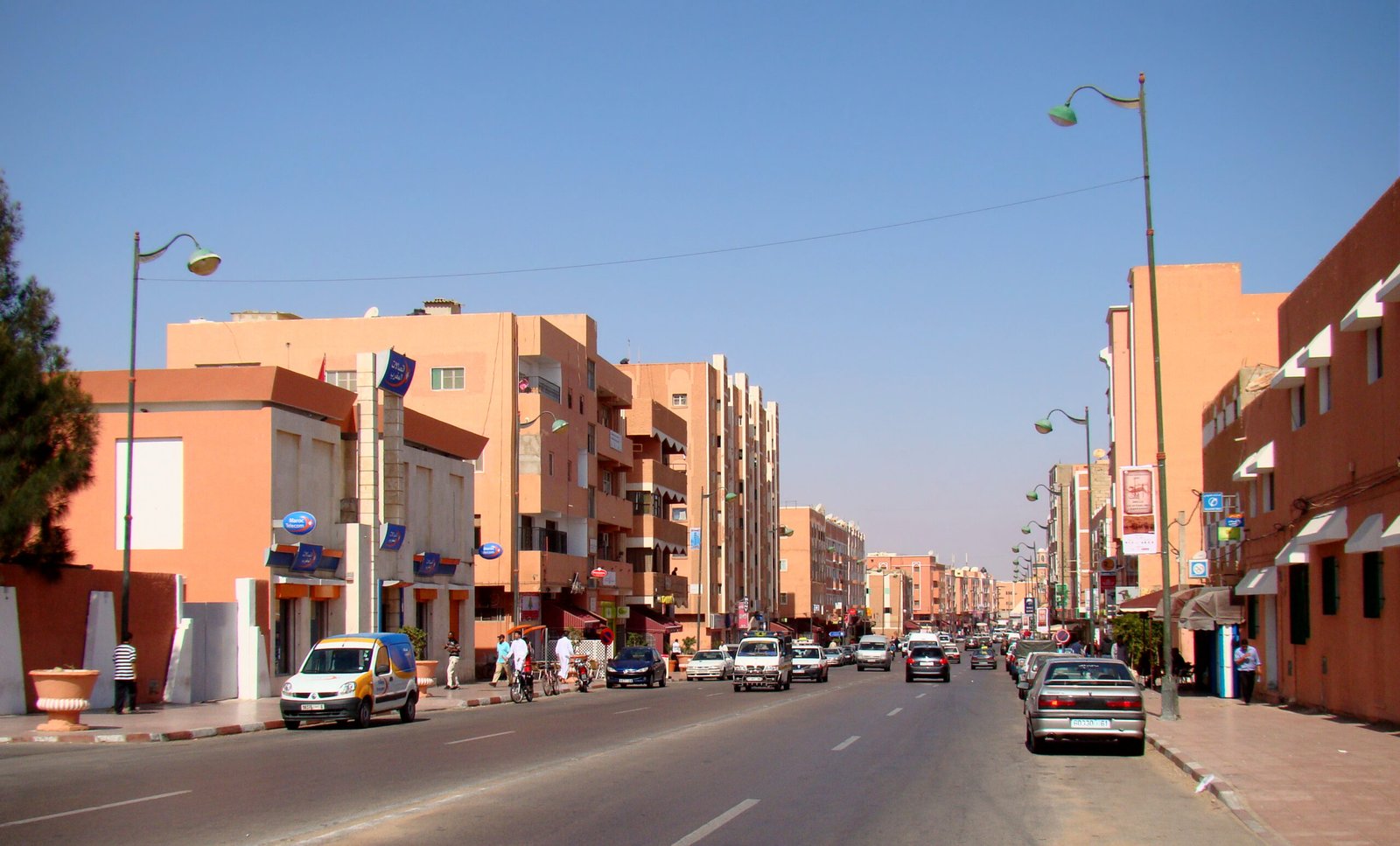
Western Sahara, a former Spanish colony, is one of the world’s longest-running disputes. Most of the territory is controlled by Morocco, but it is claimed by the Algeria-backed Polisario Front, which seeks an independent state. The conflict has lasted for half a century, and the failure to renew MINURSO’s mandate breaks a routine that the Council had maintained for decades.
Unless the Security Council agrees a last-minute extension, the mission’s mandate expires on Saturday, and what happens to its personnel and its ceasefire-monitoring role is now unclear. The Council could return to the issue, but for now the operation that has watched over Western Sahara since 1991 has no legal basis to continue.
Sources: United Nations Meetings Coverage, “Following Contentious Debate, Security Council Fails to Adopt Resolution to Extend UN Mission for Referendum in Western Sahara” (30 October 2026), https://press.un.org/en/2026/sc16498 ; Reuters, “Russia vetos US-drafted resolution on Western Sahara” (30 October 2026), https://www.reuters.com/world/russia-vetos-us-drafted-resolution-western-sahara-2026-10-30/