






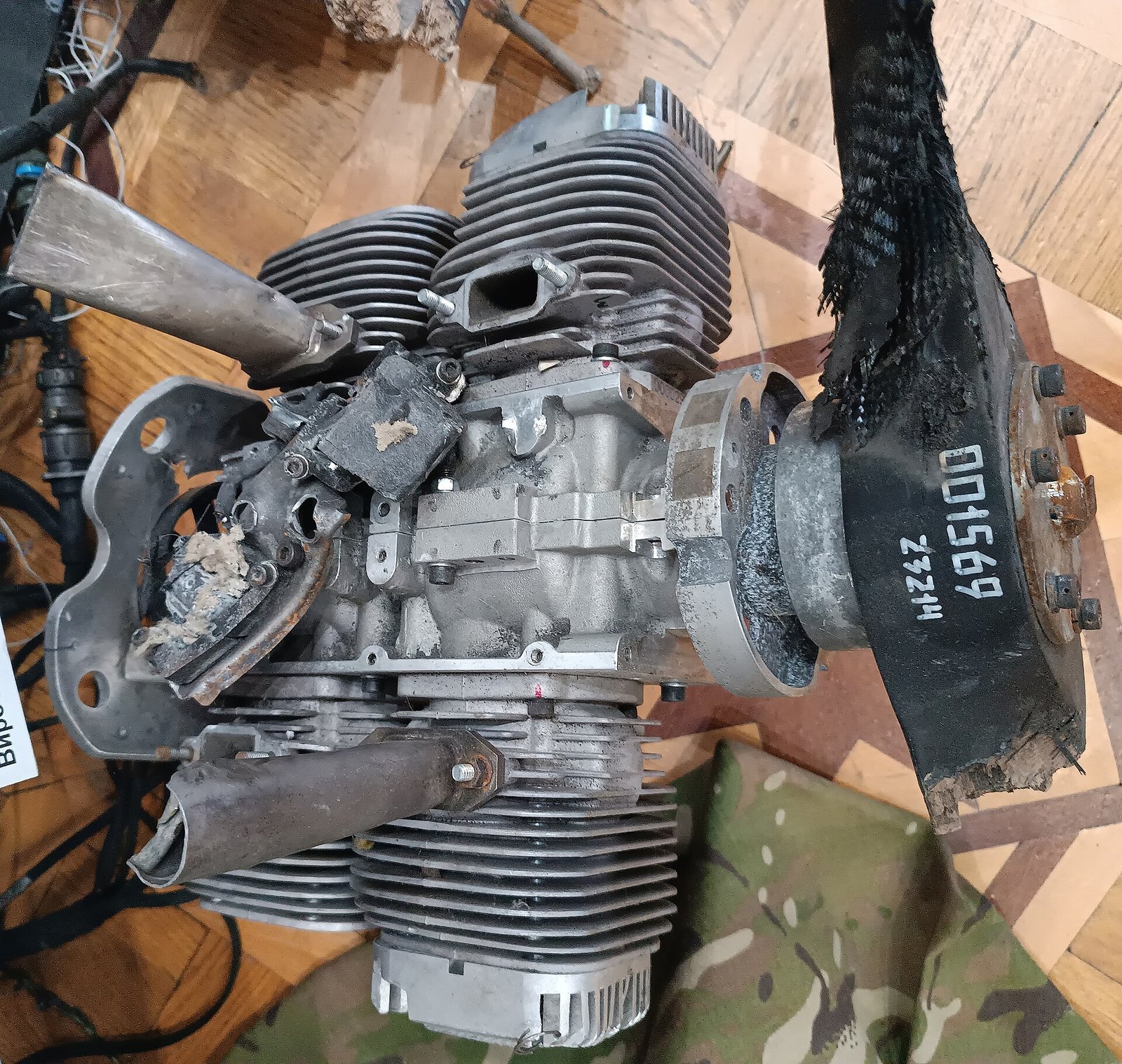
Ghana and the Democratic Republic of the Congo have signed agreements with Russia’s Alabuga Special Economic Zone, an industrial complex in Tatarstan linked to the production of Geran-2 attack drones, the Russian version of Iran’s Shahed-136, which Moscow fires at Ukraine in large numbers almost every night.
The deals were signed in late October and come as a Ukrainian investigation alleges that Moscow is expanding a recruitment network that draws young African women into its military-industrial workforce. The Ukrainian Security and Cooperation Centre says it obtained internal documents identifying about 50 African women employed at Alabuga, along with 10 Russian recruiters and two African intermediaries said to be involved in attracting foreign workers. The centre says the pipeline runs through Russian cultural and educational organisations, local intermediaries and the industrial zone’s own human resources department.
The new findings build on an Associated Press investigation published in October 2024, which found that African women recruited with promises of education and civilian employment were assigned to manufacture Iranian-designed attack drones. The AP identified roughly 200 women, generally aged 18 to 22, recruited through a programme called Alabuga Start and put to work alongside Russian vocational students assembling drones. Some told the AP they faced long hours, lower wages than promised, constant surveillance and exposure to caustic chemicals that left their skin pockmarked and itching.
Britain sanctioned seven individuals and entities associated with the Alabuga Start recruitment programme on 5 May 2026, accusing the operation of using deceptive practices to obtain foreign labour for facilities producing military drones. The new government-to-government agreements suggest cooperation is continuing despite those sanctions.
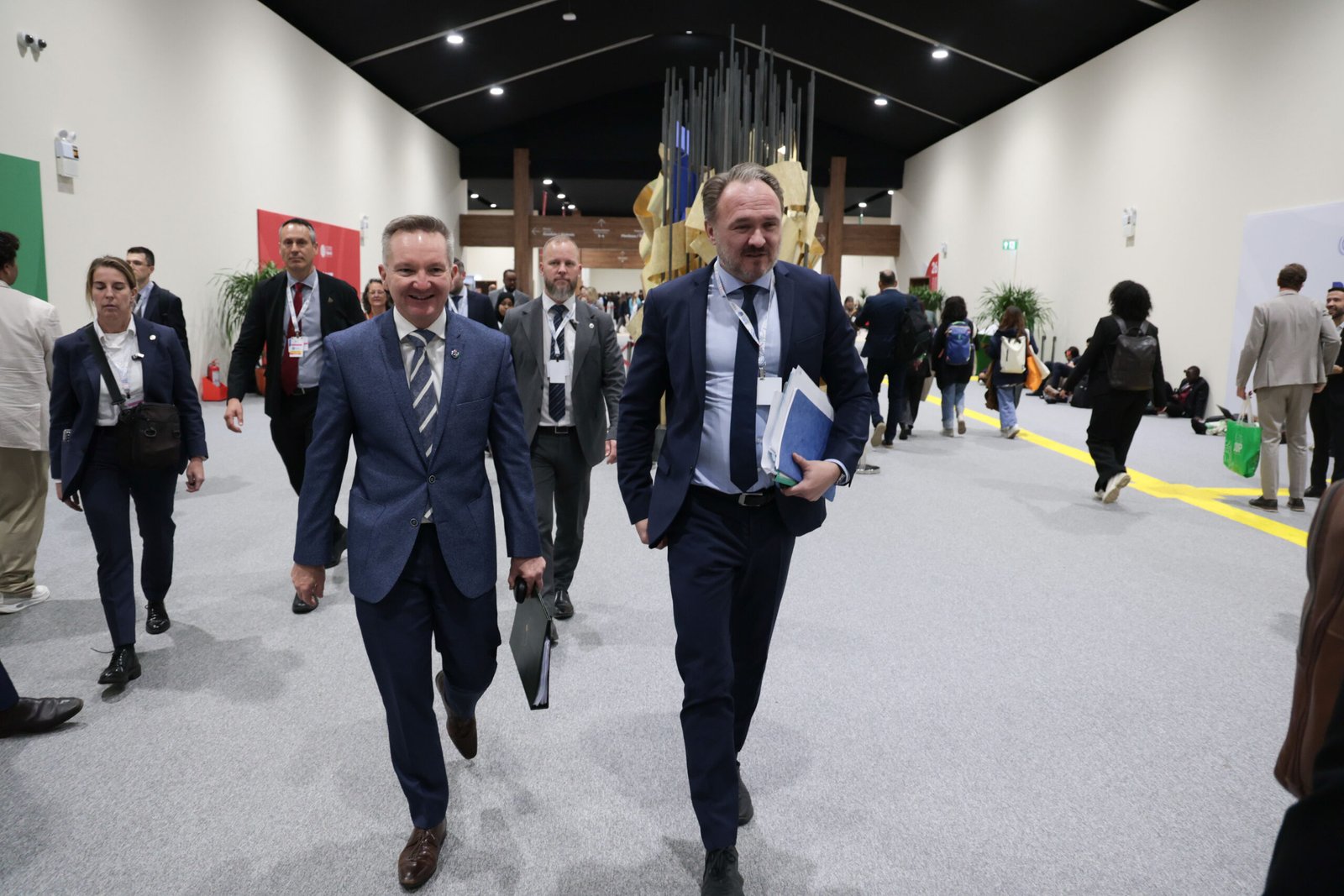
In Ghana, Labour Minister Emmanuel Agyekum signed the agreement on 29 October to facilitate industrial employment opportunities for Ghanaian citizens, according to Ghanaian broadcaster Citi News. The Democratic Republic of the Congo signed its own agreement with Alabuga in the same period. The publicly described terms of neither agreement say that workers would be assigned to military production, and there is no evidence presented that either government intended to supply labour for that purpose.
Alabuga has denied that foreign recruits were placed in drone plants and says the programme is a lawful vehicle for training and employment, with the work fields listed on its website. Investigators say Russia’s wartime labour shortages make foreign recruitment increasingly important to sustaining drone output, and the new agreements raise questions about whether the two African governments can protect their citizens if workers are steered into weapons production.
The core new findings in this story come from a single investigation by the Ukrainian Security and Cooperation Centre, as reported by Fox News; some of the specific activities attributed to named individuals in that investigation have not been independently verified.
Sources: Fox News, https://www.foxnews.com/world/putins-war-machine-tied-troubling-recruitment-young-women-new-deals-emerge ; Associated Press investigation, October 2024.