







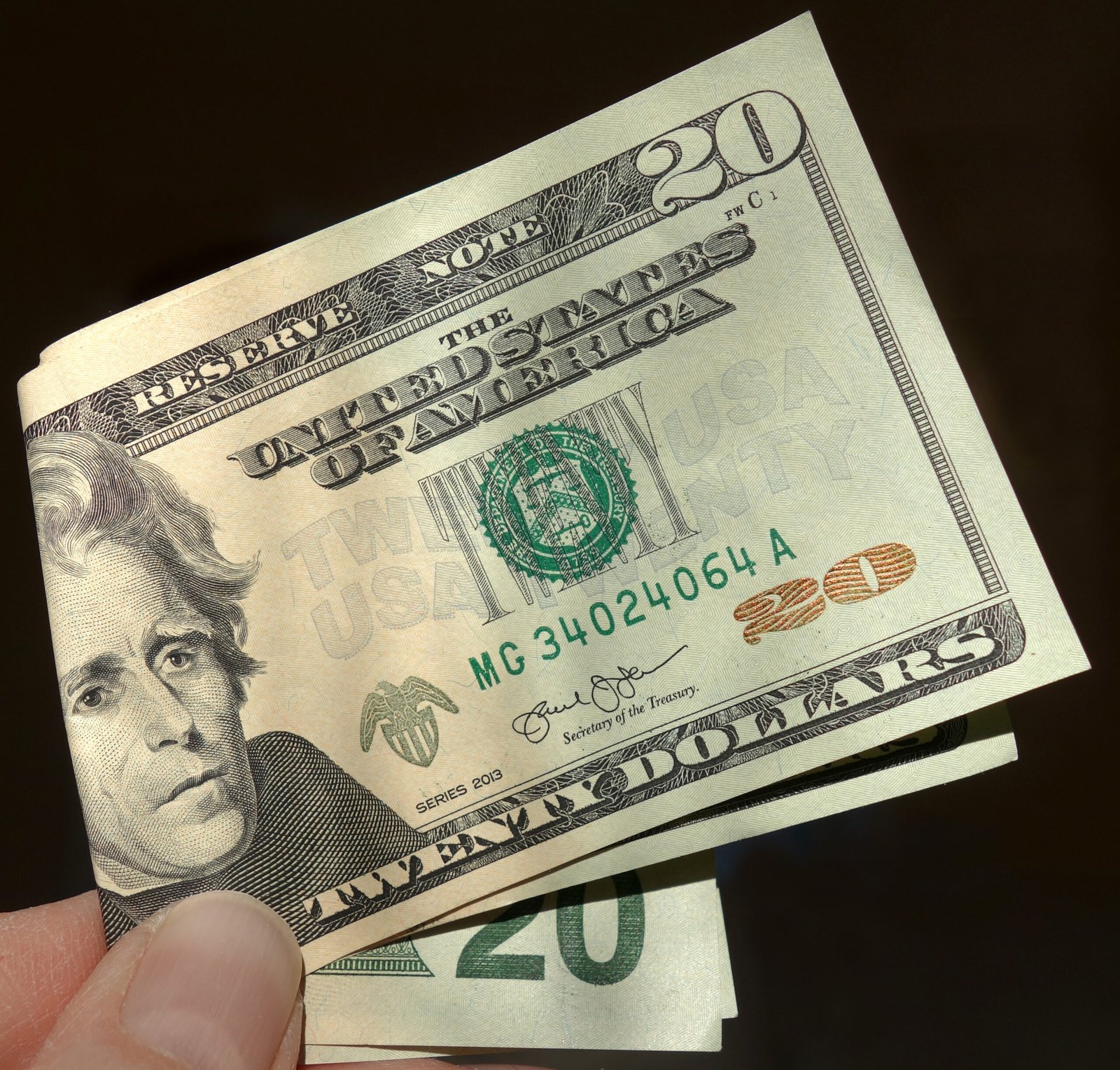
The US dollar climbed to its highest level in 19 months on Monday as traders all but locked in a Federal Reserve interest rate rise next month, extending a rally fuelled by hotter-than-expected American inflation and a run of hawkish remarks from central bank officials.
The dollar index, which measures the greenback against six major currencies, traded near 103.50 in afternoon London trading, its strongest since April 2025. The move extended last week’s 1.1% gain and came despite a sharp slowdown in New York factory activity, which traders largely brushed aside.
The trigger was October’s inflation data. US consumer prices rose 0.4% on the month, while annual producer inflation hit 6.5%, its biggest yearly gain in four years. The figures, combined with hawkish comments from Fed officials including Governor Christopher Waller and Kansas City Fed President Jeff Schmid, have pushed markets to price in a roughly 90 to 94% chance of a quarter-point rate rise at the Fed’s December 8-9 meeting, according to CME FedWatch data cited by Reuters. The chance of a larger half-point move is put at around 6 to 8%.
The benchmark 10-year Treasury yield held above 5.1%, while the two-year yield, which tracks near-term rate expectations, recorded one of its biggest weekly jumps in more than two years last week. Gold, which falls when yields rise, slid to its lowest in more than a year last week before steadying near $3,890 an ounce on Monday.
Fed Chair Kevin Warsh spoke in San Francisco on Monday, opening the Fed’s Productivity and Jobs Task Force conference, but he gave traders no steer on rates. His prepared remarks were devoted to artificial intelligence, which he said would have a “significant impact” on the economy, with scenarios ranging from faster growth with broadly shared gains to higher unemployment and a slowdown if expected investment returns disappoint. “Our role in all this is neither advocacy nor opposition,” Warsh said. “Our responsibility is to recognize that the widespread adoption of this technology will have significant impact on the economy, with important implications for monetary policy down the road.”
The dollar’s strength hit other currencies hard. The euro fell to a 19-month low near $1.10, sterling slipped to four-week lows near $1.32 ahead of Wednesday’s UK inflation report, and the Japanese yen stayed pinned near 160 to the dollar, a level watched for possible intervention by Tokyo. The Australian dollar dropped to its lowest since January, near $0.675, hurt by weak Chinese data and falling copper prices.
Monday’s one soft spot was the New York Fed’s Empire State manufacturing index, which plunged to 7.8 in November from 25.5 in October, missing forecasts of around 17 to 18. Even so, firms grew more optimistic about the months ahead, and the dollar barely flinched. Traders now turn to Tuesday’s US retail sales figures and Wednesday’s minutes of the Fed’s October meeting for the next clues on how high rates could climb into 2027.
Note: market pricing figures are from CME FedWatch as reported by Reuters and move quickly; the December hike is priced in by futures markets, not confirmed by the Fed.
Sources: Reuters, “Fed’s Warsh says emerging technologies will have ‘significant impact,’ but risks need to be watched” (https://www.reuters.com/business/feds-warsh-says-emerging-technologies-will-have-significant-impact-risks-need-be-2026-11-16/); Reuters, “Gold edges higher as investors await Warsh remarks for rate signals” (https://www.reuters.com/world/india/gold-edges-higher-investors-await-warsh-remarks-rate-signals-2026-11-16/); TipRanks, “U.S. Dollar Hits 19-Month High Near 103.50 as Fed Rate Hike Bets Weigh on Pound, Euro, and Yen” (https://www.tipranks.com/news/u-s-dollar-hits-19-month-high-near-103-50-as-fed-rate-hike-bets-weigh-on-pound-euro-and-yen)