







The first deep-sea mining lease sale in United States history is due to take place today off the coast of American Samoa, but a federal judge has thrown its legality into doubt just days before bidding opens.
US District Judge Jill Otake, sitting in Honolulu, ruled on Monday that the National Marine Fisheries Service violated the Endangered Species Act when it cleared the sale. The court vacated the agency’s finding that the auction was “not likely to adversely affect” any protected species, after concluding that officials had only considered the preliminary effects of the lease sale and had not even attempted to assess the impact of the exploration and mining that would follow.
The judge described the government’s “cramped, expedited, informal consultation” as apparently unprecedented for leasing on the Outer Continental Shelf, and held that its failure to consider the entire action violated the law.
The sale, known as Lease Sale PACM-1, offers two blocks of seabed totalling about 31.5 million acres — an area roughly the size of North Carolina — in federal waters off the eastern coast of Tau, one of American Samoa’s islands. The seabed is rich in potato-shaped rocks called polymetallic nodules, which contain cobalt, copper, nickel and manganese, minerals used in electric vehicles, weapons systems and electronics. Minimum bids are set at $3 million, and leases would run for at least 20 years.
The auction follows an executive order signed by President Donald Trump in April 2025 aimed at boosting deep-sea mineral production to offset China’s dominance of critical minerals markets, and a request from the mining company Impossible Metals to open leasing off the territory. The Marine Minerals Administration, the Interior Department office running the sale, received more than 76,000 public comments on the proposal, the overwhelming majority opposed, according to the Natural Resources Defense Council.
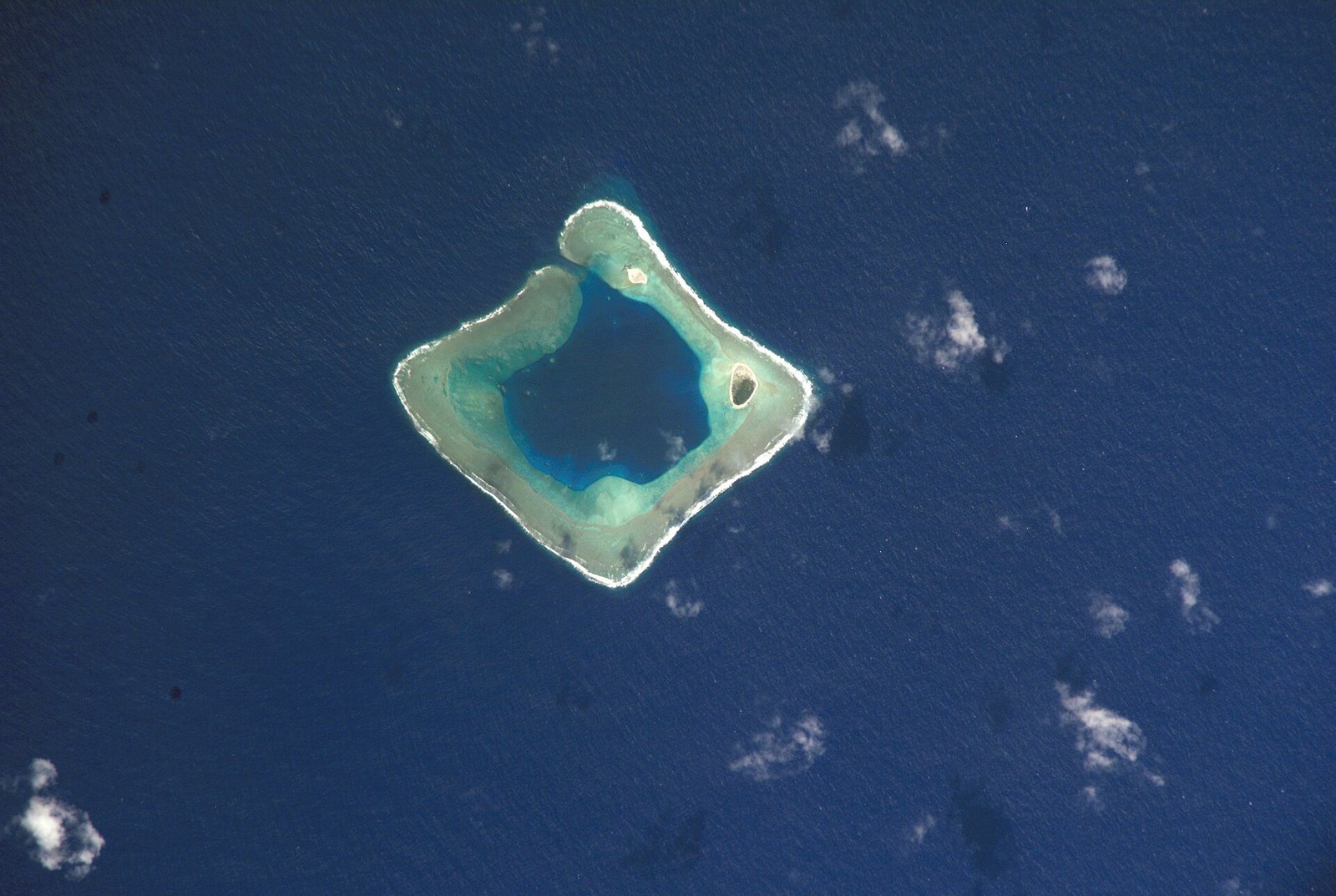
American Samoa itself banned deep-sea mining in its own waters in 2024. The lease areas sit just beyond those waters, beside the Rose Atoll Marine National Monument, in seas home to blue, fin, sei and sperm whales, five species of sea turtle and giant manta rays.
The ruling is not the only legal challenge facing the sale. On Wednesday, Finafinau, a youth-centred environmental group in American Samoa, and the Natural Resources Defense Council sued the Trump administration in the same Hawaii court, arguing that the Marine Minerals Administration shortchanged the environmental review process and asking the court to strike down any leases issued from the sale. An earlier lawsuit, brought in August by Fa’asao Amerika Samoa and the Conservation Council for Hawai’i, produced Monday’s ruling.
As of Tuesday, the administration had not announced any change to the sale date, and the Marine Minerals Administration’s website still listed the auction for Thursday, November 19. The judge’s order vacated the wildlife clearance rather than issuing a blanket injunction against the auction itself, so it remains unclear whether bidding will go ahead as scheduled. A winning bid would not authorise immediate mineral harvesting in any case: it would permit only preliminary activities such as mapping, with any exploration or commercial mining subject to a further multi-stage regulatory process.
Sources: Reuters; Earthjustice; Natural Resources Defense Council.