









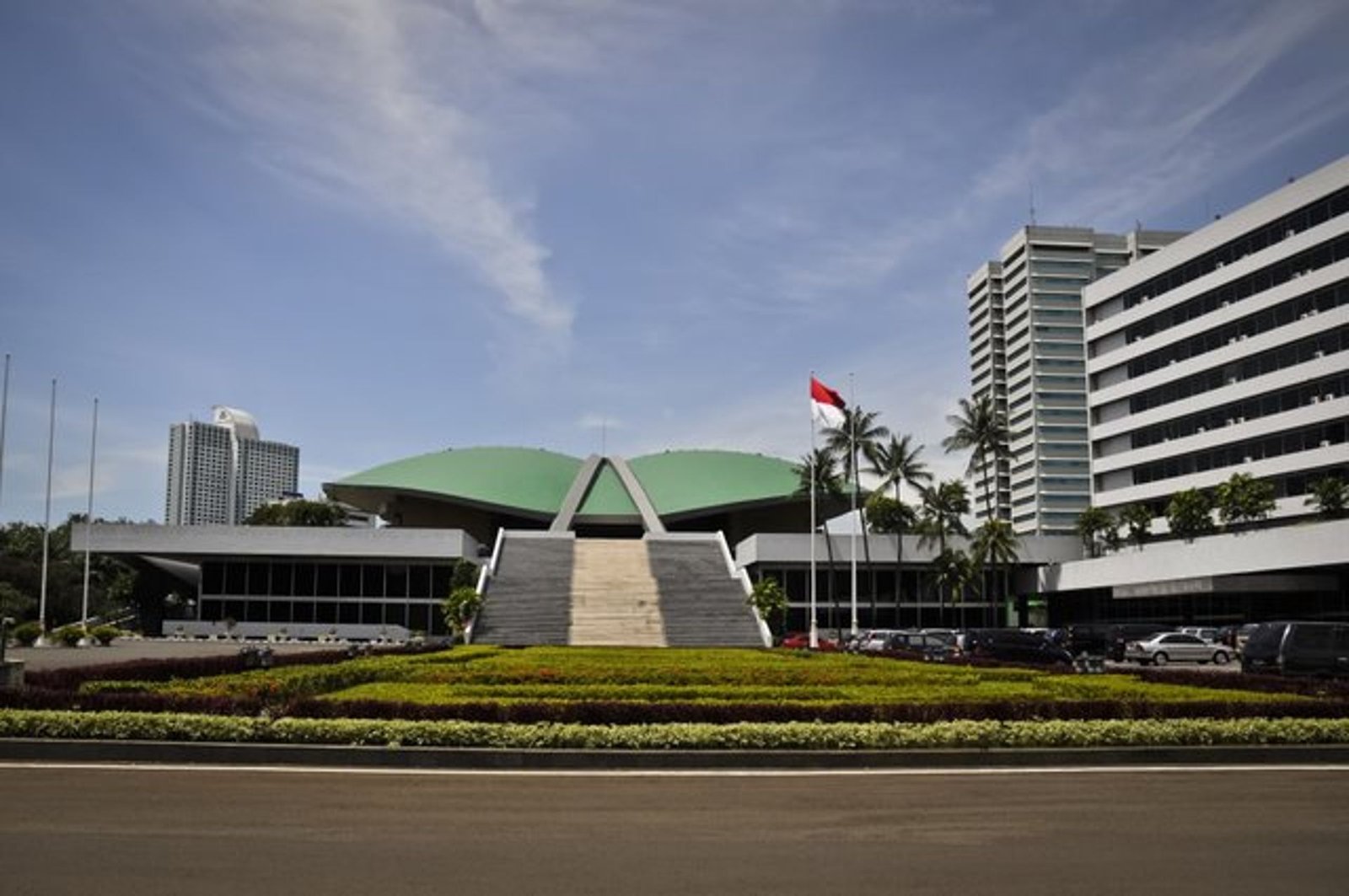
Indonesia’s parliament has passed a law allowing the state to seize assets linked to corruption and other crimes without first securing a criminal conviction, in a significant shift for asset recovery in Southeast Asia’s largest economy.
Lawmakers approved the measure in a plenary vote on Thursday, after years of campaigning by civil society organisations and protesters who argued that the existing rules made it too easy for corrupt officials and criminals to keep their gains.
Under the current system, recovering state assets has largely depended on securing a criminal conviction first, a hurdle that has allowed suspects who flee the country, die, or fall permanently ill to escape having their wealth confiscated. Rini Widyantini, Indonesia’s bureaucratic reform minister, said the new law was designed to close that gap.
The new rules apply to perpetrators who flee, die, or suffer from permanent illness, she said. Authorities will also be able to freeze and seize suspected criminal assets before a court decides whether they should be forfeited, according to a parliamentary presentation slide shown during the vote.
The non-conviction mechanism applies only to assets worth at least 1 billion rupiah, about $55,000, state news agency Antara reported earlier this month. It covers crimes linked to corruption, narcotics and certain fraud offences, including cryptocurrency and online gambling schemes, according to local media reports.
The Legal Aid Institute of Indonesia, a non-government organisation, said on Wednesday that the legislation could help fight corruption and recover criminal proceeds. But it warned that the law grants extensive powers to freeze, seize and manage assets without sufficiently strong safeguards against abuse.
One caveat remains: the latest draft of the law was not immediately made public, and the organisation’s assessment was based on a November 16 draft that Reuters said it could not immediately verify. The final text’s precise scope will only become clear once it is published.
The passage of the law is a notable win for anti-corruption campaigners in a country where graft has long been a drag on public trust. Whether it delivers on its promise will depend on how the new powers are used — and whether the safeguards campaigners are calling for are built into the regulations that follow.
Sources: Reuters, “Indonesia parliament passes asset forfeiture bill into law”, https://www.reuters.com/world/asia-pacific/indonesia-parliament-passes-asset-forfeiture-bill-into-law-2026-11-19/