








The International Court of Justice ruled on Thursday that Myanmar committed genocide against the Rohingya minority during its 2017 military crackdown, in a landmark judgment that is the first time the United Nations’ highest court has ever held a state responsible for genocide.
By nine votes to six, the court’s 15 judges found that Myanmar “has committed genocide against the Rohingya group in northern Rakhine state”, rejecting Myanmar’s argument that the campaign was a legitimate operation against insurgents. Presiding Judge Yuji Iwasawa read the judgment at the Peace Palace in The Hague in a reading lasting nearly three hours.
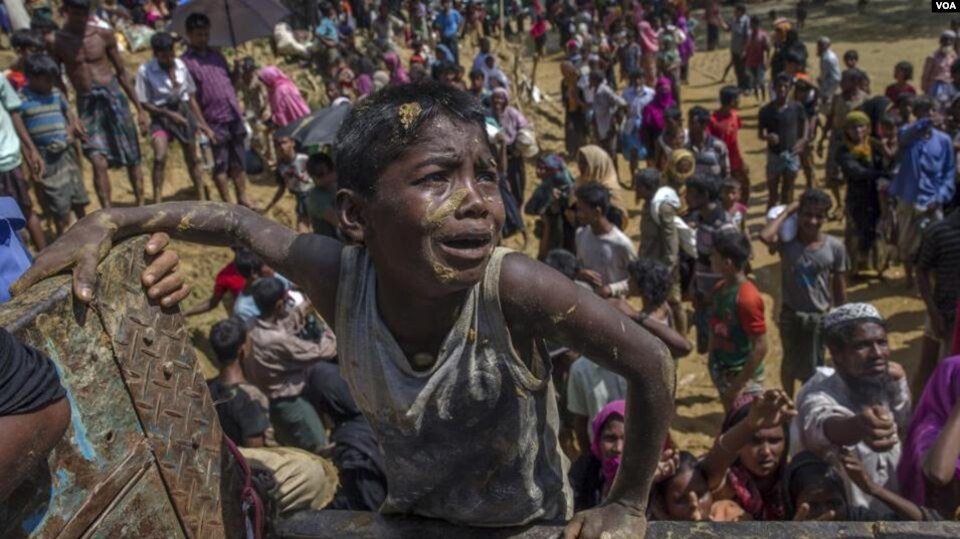
The court found that Myanmar’s security forces killed thousands of Rohingya civilians, carried out widespread sexual violence and extreme violence against children, and attacked people as they fled. The judges said the evidence supported an estimate of about 10,000 Rohingya violently killed during the clearance operations, and found mass executions of men and boys, widespread rape, and hundreds of villages burned or razed. The military also actively spread hate speech targeting the Rohingya, the court said.
“The only reasonable inference that can explain Myanmar’s actions is an intention to destroy a substantial part of the protected group, namely the Rohingya population in northern Rakhine state,” the court said. That intent to destroy a group in whole or in part is the key legal test for genocide under the 1948 Genocide Convention.
The case was brought in November 2019 by The Gambia, a small West African nation backed by the Organisation of Islamic Cooperation, after its then justice minister heard accounts of the atrocities from refugees in Bangladesh. The 2017 offensive drove more than 700,000 Rohingya across the border into Bangladesh, and more than a million Rohingya remain displaced across South and South-East Asia.
The court ordered Myanmar to compensate the Rohingya, with the amount to be decided later, and to allow their safe and dignified return home and the reunification of families. It also found, by 11 votes to four, that Myanmar failed in its obligation to punish genocide. The judgment is final and cannot be appealed, but the court has no means of enforcing it beyond reporting non-compliance to the UN Security Council. Myanmar did not immediately respond to the ruling; it has long denied genocide, describing the operations as a counter-terrorism response.
The ruling is only the fourth time since the Holocaust that an international court has found the legal threshold for genocide met — after Rwanda, Srebrenica and the Khmer Rouge — and it is expected to shape other cases, including South Africa’s 2023 case accusing Israel of genocide in Gaza. Legal experts will study how the court assessed state responsibility. The ruling concerns the state of Myanmar, not individuals; the International Criminal Court separately investigates senior military officials.
Sources: Reuters — “Top UN court finds Myanmar committed state-sponsored genocide against Muslim Rohingya” (https://www.reuters.com/world/asia-pacific/top-un-court-finds-myanmar-committed-state-sponsored-genocide-against-muslim-2026-11-19/); Associated Press — “In a landmark judgment, top UN court says Myanmar committed genocide against the Rohingya” (https://www.reflector.com/news/national/in-a-landmark-judgment-top-un-court-says-myanmar-committed-genocide-against-the-rohingya/article_a243041a-d6f4-59fb-9c2a-a36567d196f5.html)