







Governments have thrown their weight behind a new global pledge to phase out the most potent greenhouse gas known to science, in one of the first concrete initiatives to emerge from the COP31 climate talks in Antalya.
Germany’s environment minister, Carsten Schneider, presented the Global SF6 Pledge at the UN climate conference on Thursday, joined by representatives of countries from several regions. Canada, Cambodia, the European Union, France, Kenya, Nigeria, Senegal, Spain, Uganda and the United Kingdom had already announced their support in advance, and the pledge remains open to further countries.
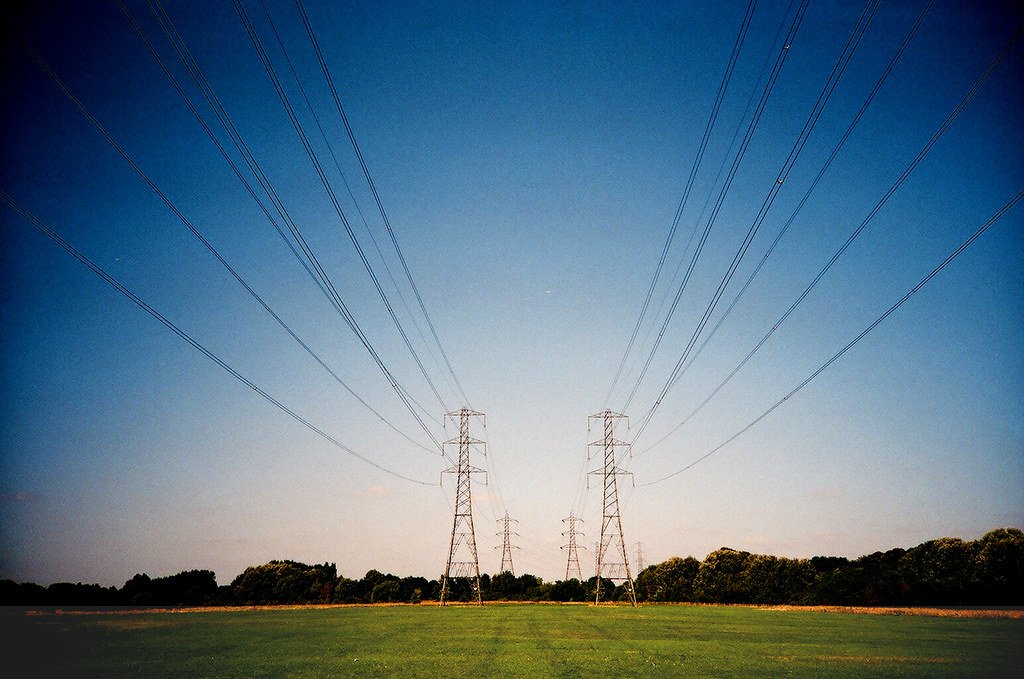
Sulphur hexafluoride, known as SF6, is used in almost every power grid in the world. Inside switchgear it acts as an insulator and quenches electric arcs, preventing short circuits and fires, and it has kept grids safe for decades. But its climate cost is extreme: over a 100-year span it traps heat 24,000 times more effectively than carbon dioxide, and once released it lingers in the atmosphere for more than 1,000 years. Global emissions are rising, mainly through leakage from transmission and distribution grids.
“SF6 is the most potent greenhouse gas there is,” Schneider said. “Phasing out its use is entirely possible and offers enormous climate benefits.”
The pledge commits governments to four steps: improving data on how much SF6 is held in their grids and how much leaks out; managing existing equipment, with the priority on older, leaking gear and on recovering and recycling the gas; deploying SF6-free technology wherever it is technically feasible; and mobilising finance, with the World Bank as a partner, to close funding gaps and pool projects.
Much of the technology already exists. SF6-free switchgear is commercially available for medium voltage and for high voltage up to 145 kilovolts, and is already in use with major grid operators, with pilot projects under way for the highest voltage levels. The European Union already has a binding timetable: since January 2026, new medium-voltage switchgear up to 24 kilovolts may no longer contain SF6, with further voltage levels following by 2032. From 2035, only reclaimed or recycled SF6 may be used for servicing.
Germany is backing the pledge with a 15 million euro initiative over several years, implemented by the development agency GIZ, the World Bank and the UN Climate Technology Centre and Network, with support from the Climate and Clean Air Coalition and other partners. Working groups of governments, manufacturers, grid operators and financial institutions will build on the pledge in the coming months.
The timing matters because grids are expanding fast as the world electrifies. Equipment installed today will stay in operation for decades, so the signatories argue that climate-friendly technology must be deployed from day one, especially where grids are growing fastest.
Note on sourcing: this report is based on a single official source, the German environment ministry’s press release, and the pledge’s list of supporters and commitments has not yet been independently verified against the COP31 record.
Sources: German Federal Ministry for the Environment, Climate Action, Nature Conservation and Nuclear Safety (BMUKN), “UN Climate Change Conference: New initiative to combat SF6, the most potent greenhouse gas, and promote new technologies”, press release No. 146/26, 19 November 2026 (https://www.bundesumweltministerium.de/PM11984-1)