





Britain entered the Covid-19 pandemic “woefully ill-prepared” to test, trace and isolate cases, allowing the virus to spread “virtually unchecked” in the first months of the crisis, the UK Covid-19 Inquiry has found.
The inquiry’s seventh report, published on Thursday and chaired by Baroness Heather Hallett, concludes that the country had no system of widespread testing, contact tracing or isolation for several months after the virus arrived, even though British scientists had developed a working test within weeks.
Public Health England produced what the report calls a “gold standard” PCR test by mid-January 2020, before the first UK case was confirmed. But there was no plan to scale it up. Community testing and contact tracing were abandoned in mid-March 2020, and from that point the inquiry says the virus was allowed to spread “with deadly speed across the country, virtually unchecked”, leaving ministers “effectively blind” to how fast it was moving.
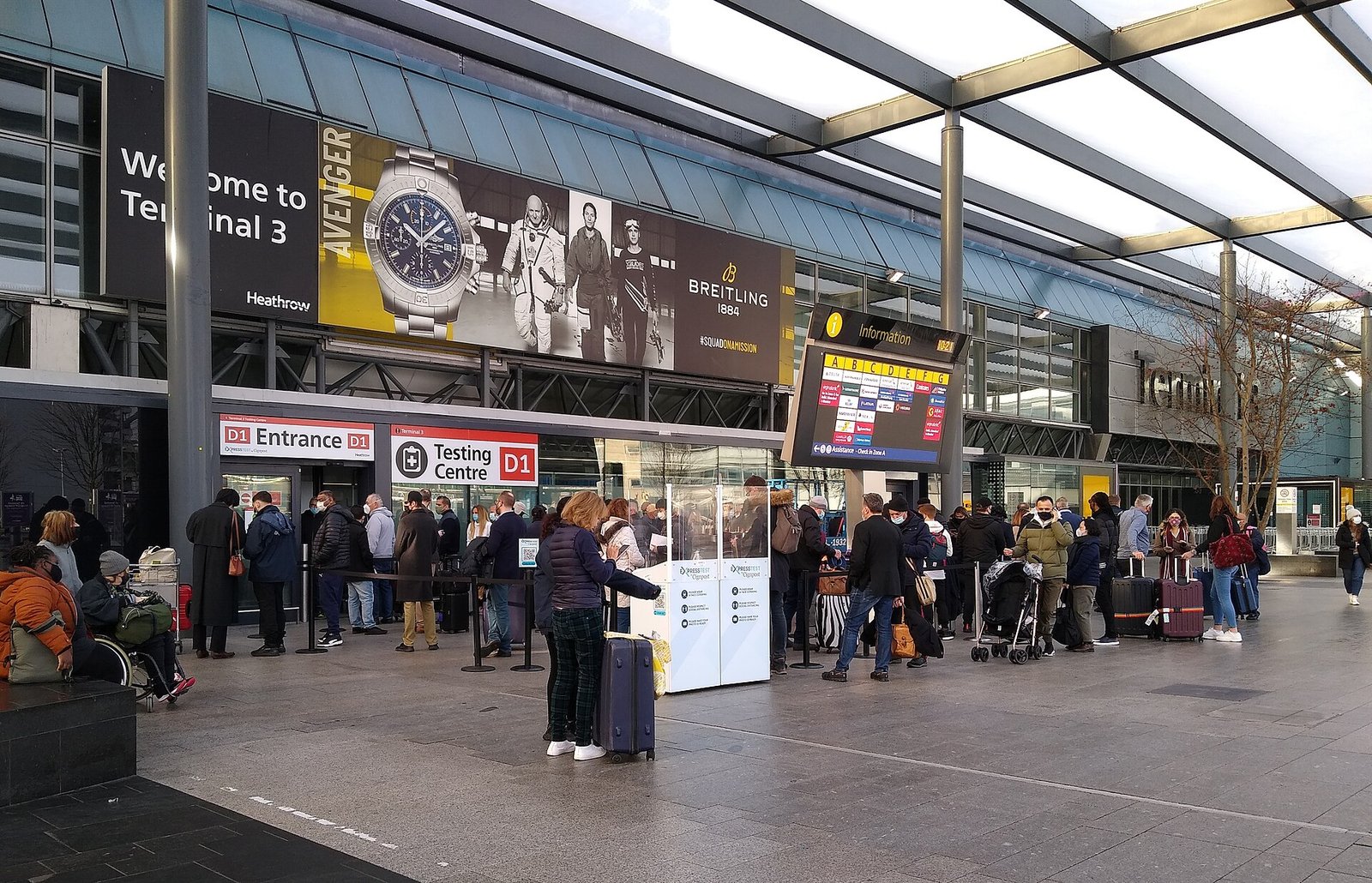
Border controls were, in the report’s words, a “critical gap” in the response. The UK had no clear strategy for restricting arrivals early in the pandemic, and by April 2020 some 93 per cent of countries had put measures in place, such as flight suspensions and border closures. Britain, by contrast, only asked travellers from high-risk areas to self-isolate, and imposed no further border measures until June 2020.
The report identifies 18 February 2020 — when there were only nine confirmed cases in the UK — as the ideal moment to bring in travel restrictions, and says a 14-day self-isolation requirement for all incoming travellers “could have had a significant impact”. Government figures cited in the report show about 6.8 million people arrived in the UK by air in February 2020, followed by another 3.8 million in March.
Countries that acted early, including Singapore, South Korea, Germany, Hong Kong and Taiwan, experienced markedly lower death rates than the UK during the first six months of the pandemic, the inquiry found.
The report also examines the later cost of the failure. More than £25 billion was spent on the NHS Test and Trace system in England, but it came too late and at huge expense, and in the summer of 2021 around 7 per cent of UK adults were told to self-isolate in a single week at the height of the so-called “pingdemic”.
Lady Hallett makes nine recommendations in the 245-page report, which draws on evidence from 41 witnesses, 200 written statements and more than 23,000 documents. Three further reports from the inquiry — the most expensive public inquiry in British history, at more than £200 million — are due by the summer of 2027.
Sources: UK Covid-19 Inquiry — Module 7 Report: Test, Trace and Isolate (https://covid19.public-inquiry.uk/reports/module-7-report-test-trace-isolate/); BBC News and PA Media reporting of the report’s publication.