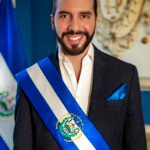






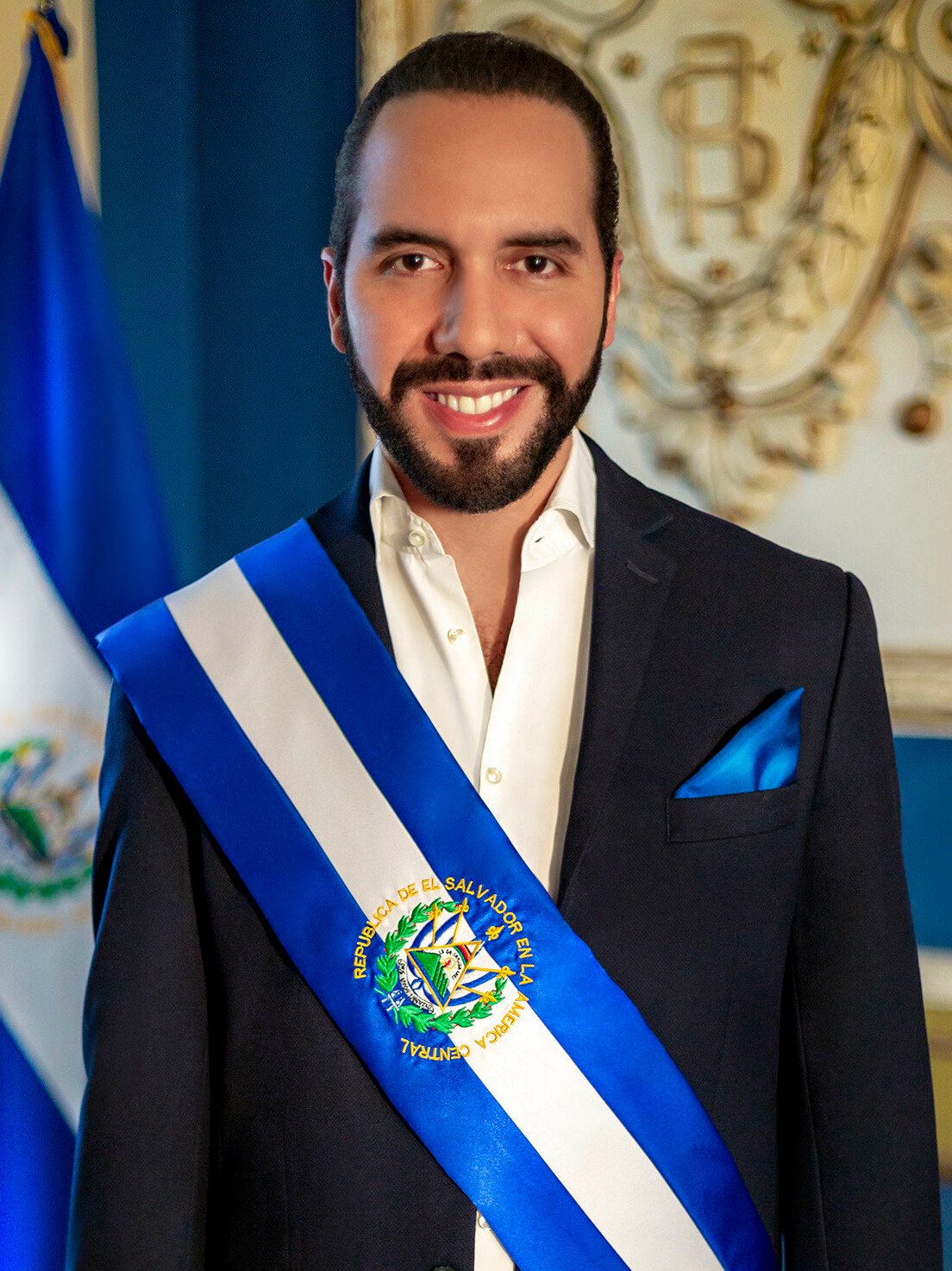
El Salvador’s President Nayib Bukele has formally registered to seek an unprecedented third consecutive term in office, launching a re-election bid in February that he is widely expected to win after years of constitutional changes that removed presidential term limits.
Bukele, 45, submitted his candidacy papers to the Supreme Electoral Tribunal on Thursday night, arriving in a convoy of police cars as crowds carrying “Bukele 2027” placards cheered outside the building and chanted “six more years”. He will run alongside Vice President Félix Ulloa, who is also seeking a third term.
The registration, completed ahead of Thursday’s deadline, follows the ruling Nuevas Ideas party’s nomination of Bukele in July. He ran unopposed in the party primary, and the party holds a supermajority in Congress.
Bukele first took office in 2019 and won a landslide re-election in 2024. The following year, allies in Congress approved a constitutional amendment allowing indefinite presidential re-election, extending presidential terms to six years, abolishing second-round run-off votes and bringing the next election forward to February 2027 to coincide with legislative and municipal votes. If elected, Bukele would remain in office until 2033.
Polls put his support at between 55 and 70 per cent, with his party far ahead of opposition parties polling in single digits. He will face four opposition candidates, including Maytee Iraheta of the right-wing Nationalist Republican Alliance and Rafael Aguirre of the left-wing Farabundo Martí National Liberation Front.
Critics, including opposition parties and human rights groups, say the removal of term limits allows Bukele to consolidate power indefinitely without institutional checks and balances. His government rejects that charge, and Bukele told supporters after signing his registration that the country was moving towards a democratic election featuring “freedom of expression”.
His popularity rests largely on an aggressive crackdown on organised crime that has sharply reduced gang violence in El Salvador. His government has also projected that security model abroad, sending troops to Haiti as part of an international effort against gangs there.
Sources: Reuters; Associated Press