








New York City Mayor Zohran Mamdani has unveiled a plan to close the Rikers Island jail complex by 2032, conceding that the city will miss the legal deadline of August 2027 to shutter the notorious facility. The roadmap, released on Friday, is the city’s most detailed attempt yet to end detention on the island after decades of promises, abuse scandals and stalled construction.
“It is time to finally close Rikers Island,” Mamdani said in a statement. “For decades, New Yorkers have demanded a correctional system that is safe and humane. This plan puts us on a path to deliver just that: closing Rikers, reducing pretrial detention, tackling the case delays that deprive people of their right to a speedy trial and investing $146 million in the evidence-based supports that help break the cycles of incarceration.”
The plan builds on a scheme approved by the City Council in 2019 to close Rikers by 2027 and build four smaller jails in Brooklyn, Manhattan, Queens and the Bronx, closer to the courts, public transport and the communities where incarcerated New Yorkers live. Little progress was made under the previous administration of Eric Adams, which opposed federal oversight and deprioritised the borough jails, and city officials now acknowledge the 2027 deadline cannot be met.
Under the new timetable, the first replacement jail, in Brooklyn, is due to open in 2029, followed by facilities in Queens and the Bronx in 2031 and Manhattan in 2032, each with 1,040 beds. Together the four jails will hold about 2,000 fewer people than the roughly 6,600 held at Rikers today.
Closing the island depends on shrinking the jail population. The plan aims to cut the number of people held from more than 6,500 to around 4,500, through a new slate of diversion and supervised release programmes, expanded housing and social services to prevent reoffending, electronic monitoring, the restoration of an online bail payment system and measures to reduce case delays. Women would increasingly be diverted into community-based programmes, and some detainees would move to medical facilities for healthcare or psychiatric treatment.
Mamdani’s administration is proposing $146 million in new investment next fiscal year in mental health care, substance-use treatment, education, job training and services for crime victims, and more than $250 million over the coming years in efforts to reduce the jail population. The new jails are designed with more natural light, fresh air and space for recreation, training and education, drawing on ideas from Germany’s prison system.
Mamdani announced the plan in a pre-recorded video alongside Department of Correction Commissioner Stanley Richards, the first formerly incarcerated person to lead the department. “It is long past time to close what’s been a moral stain on our city,” Mamdani told NPR. “We’re not the first administration to talk about this. We also know that the last administration had no interest in advancing this. And we are also confident that we can be the first administration to deliver on it.”
The proposal will need the City Council to pass legislation extending the legal closure deadline to 2032, setting up a fresh negotiation over a plan whose most controversial element — the borough jails — is already under construction. Officials caution that buildings alone will not fix a system the federal government has documented as having a culture of violence among guards.
Sources: Associated Press (https://www.reflector.com/news/national/mamdani-sets-plan-to-close-nycs-notorious-rikers-island-jail/article_26f324fd-0711-5da9-bdf3-8927f6b68ca5.html); NPR (https://www.nprillinois.org/2026-11-20/new-york-city-unveils-a-bold-plan-to-move-its-jails-off-rikers-island); CNN (https://www.cnn.com/2026/11/20/us/mamdani-rikers-island-closure-delay?cid=external-feeds_iluminar_meta).
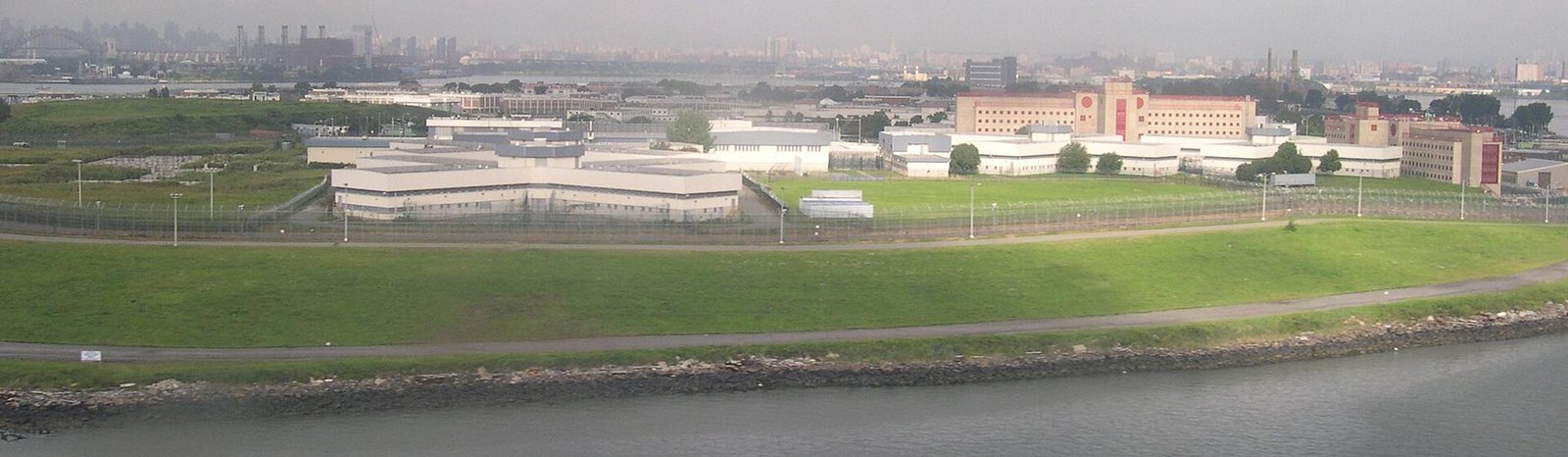
Note: The image accompanying this article is a file photo of the Rikers Island jail complex.