







Electricity bills have moved from a household worry to a central campaign issue in the United States, just days before voters go to the polls in the midterm elections on 3 November. For an industry that has rarely featured prominently in national elections, the sudden spotlight reflects a simple fact: many Americans feel their power costs rising, and they do not see an end in sight.
Nationally, household electricity prices have risen by more than 10% since 2024, according to data from the US Energy Information Administration reported by Reuters. That increase has outpaced the rise in the cost of other goods and services, turning a once-quiet utility bill into a visible part of the cost-of-living squeeze.
The pressure is sharper still in the battleground states that will help decide control of Congress. In Ohio, Michigan and Pennsylvania — all hot spots for new data centres — power bills have grown even faster, in some cases by triple the rate of inflation. Data centres, which consume vast amounts of electricity to run artificial intelligence and cloud services, have become a focus of voter anger, with many households asking why they should pay more while large new users connect to the grid.
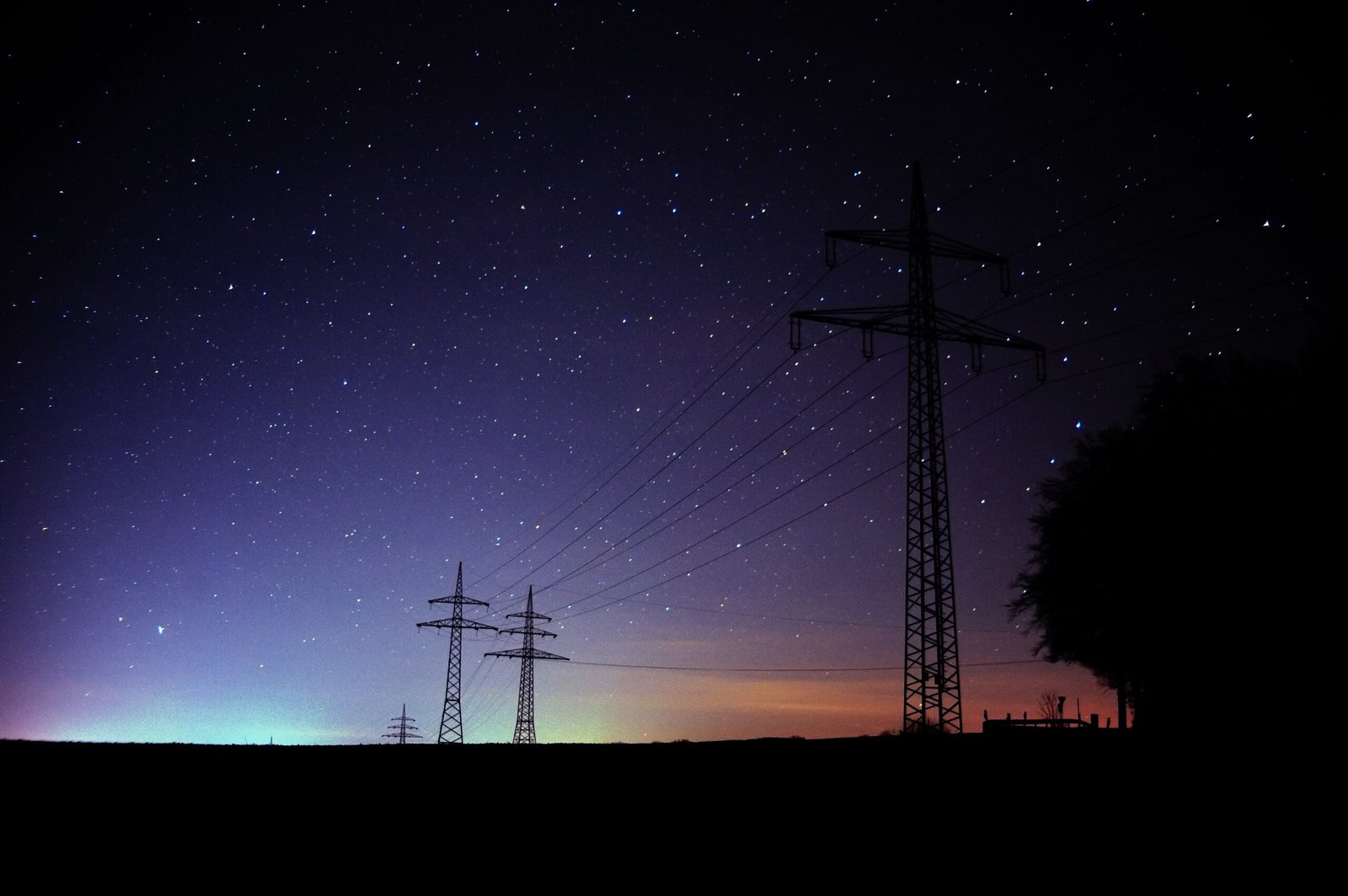
Behind the bills lies a regulated system that is now under strain. State regulators generally must approve utilities’ spending on the grid and allow them to recover those costs through higher rates, while also setting the return utilities can earn on their investments. Utilities are on track this year to match last year’s record $31 billion in rate-increase requests to regulators, according to a survey by the consumer-focused nonprofit PowerLines. Last year’s total was double the previous record.
The sums involved in upgrading the grid are enormous. Investor-owned utilities are expected to carry out almost $1.3 trillion in capital spending over the next five years, according to an analysis by S&P Global’s Regulatory Research Associates. Supporters of that spending say it is essential for reliability and for connecting new demand; critics say households are being asked to shoulder too much of the cost.
Politicians have responded with promises to intervene. Many candidates for state offices have backed cracking down on utilities, including freezing rate increases and cutting the guaranteed returns companies earn. Seats on nine state public utility commissions are up for election this year — nearly all the states where voters directly elect regulators — and governors are being chosen in 36 states, where governors appoint commissioners in states without elected regulators.
In Ohio, Democrat Amy Acton has promised to lower energy bills if elected governor, to appoint a utilities commission “not beholden to utility companies”, and to work with the state attorney general against excessive rate rises. She has also said she supports a moratorium on data centres. Her Republican opponent, Vivek Ramaswamy, has said he would ensure Ohioans living near data centres would not pay electricity bills at all. Ohio’s residential electricity bills have grown by more than 20% over the past two years, according to Energy Information Administration data.
Governors already in office have used their influence to press utilities directly. In April, Pennsylvania Governor Josh Shapiro said the prominent utility PECO Energy Company had agreed to withdraw a proposed rate increase after his intervention, a move he said would reduce future bills by as much as $34 a month. He later wrote to more utility chief executives seeking changes in how spending and returns are justified.
The approach has precedents. Power bills tracked low inflation for about a decade and were rarely a mainstream election issue until last year, when Mikie Sherrill won the New Jersey governorship on a promise to freeze utility bills, which she acted on the day she took office. In Virginia, home to the world’s largest concentration of data centres, Governor Abigail Spanberger has taken a similar approach, which analysts say could offer a playbook for this year’s winners.
The industry warns that political fixes carry their own risks. Drew Maloney, president of the Edison Electric Institute, which represents investor-owned utilities, said the grid requires consistent investment every year and “doesn’t operate on the political calendar”. Utility advocates argue that cutting guaranteed returns and freezing rates would do little for household bills in the short term but could reduce long-term investment in the grid. Credit rating agency Fitch downgraded the North American utility sector to “deteriorating” from “neutral” in June, citing political pressure in the midterms to limit bills and profits.
For now, the politics are likely to intensify before they resolve. As Charles Hua, executive director of PowerLines, put it, this could be the first election in which utilities and electricity feature as a prominent issue — but the detailed decisions on rates, returns and who pays for grid expansion will largely come after polling day.
Sources: Reuters, “Power bills and data centers cast rare spotlight on utilities in US midterms”, 31 October 2026, https://www.reuters.com/business/energy/power-bills-data-centers-cast-rare-spotlight-utilities-us-midterms-2026-10-31/