






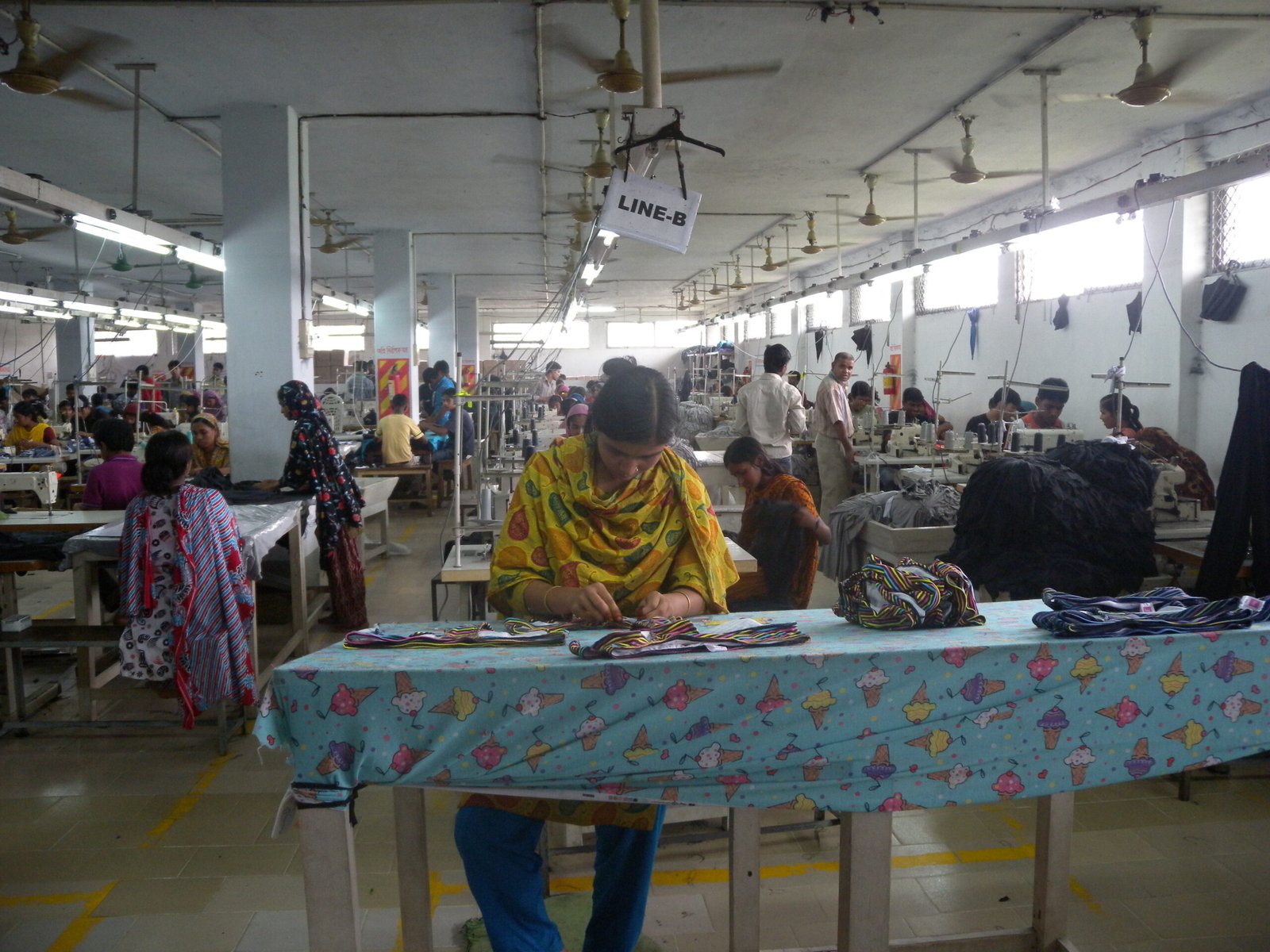
Bangladesh will set up a wage board on Sunday to review garment workers’ pay, after protests over wages shut dozens of factories and triggered clashes with police, putting fresh strain on the country’s most important export industry.
Workers are demanding a minimum monthly wage of 30,000 taka, about $245, more than double the current 12,500 taka. They say rising costs for food, housing, transport and healthcare have sharply eroded what their pay can buy.
The unrest flared on Saturday. About 30 garment factories in Ashulia, a key manufacturing hub on the outskirts of Dhaka, declared holidays as protests spread, according to Mohammad Mominul Islam Bhuiyan, superintendent of the Ashulia Industrial Police. Hundreds of workers blocked a major intersection in the capital, while demonstrations in other industrial zones disrupted traffic and factory operations.
Clashes between workers and police in Ashulia injured several people, including police officers, police said. Officers used tear gas and sound grenades to disperse protesters.
Labour and Employment Minister Ariful Haque Chowdhury said the government would formally constitute the wage board after discussions with labour leaders and industry representatives aimed at defusing the unrest. He urged workers to return to work, saying the decision to review the wage structure addressed their key demand.
He also warned that prolonged factory closures and production disruption could delay export shipments and payments from international buyers, creating further difficulties for manufacturers and workers alike.
The stakes are high. The ready-made garment industry employs about four million workers, generates more than 80 per cent of Bangladesh’s export earnings and contributes about 10 per cent of gross domestic product. It is the world’s largest garment-exporting industry after China’s, supplying clothing to many leading Western brands.
Manufacturers, however, say the sector is facing mounting challenges, including rising production costs, periodic gas and electricity shortages, and uncertainty in energy markets linked to tensions in the Middle East. A wage settlement that satisfies workers without squeezing factories already under pressure will be difficult to reach, and the wage board’s deliberations will be watched closely by buyers as well as workers.
For now, the government’s move has at least opened a formal route to a new pay deal. Whether it is enough to bring workers back to the factory floor, and keep orders flowing, will become clear in the days ahead.
Sources: Reuters, “Bangladesh to form wage board after garment protests shut factories”, 1 November 2026, https://www.reuters.com/business/world-at-work/bangladesh-form-wage-board-after-garment-protests-shut-factories-2026-11-01/