







The European Union and Indonesia have signed a landmark trade agreement in Brussels, ending nearly a decade of negotiations and opening one of the world’s largest bilateral markets to tariff-free trade.
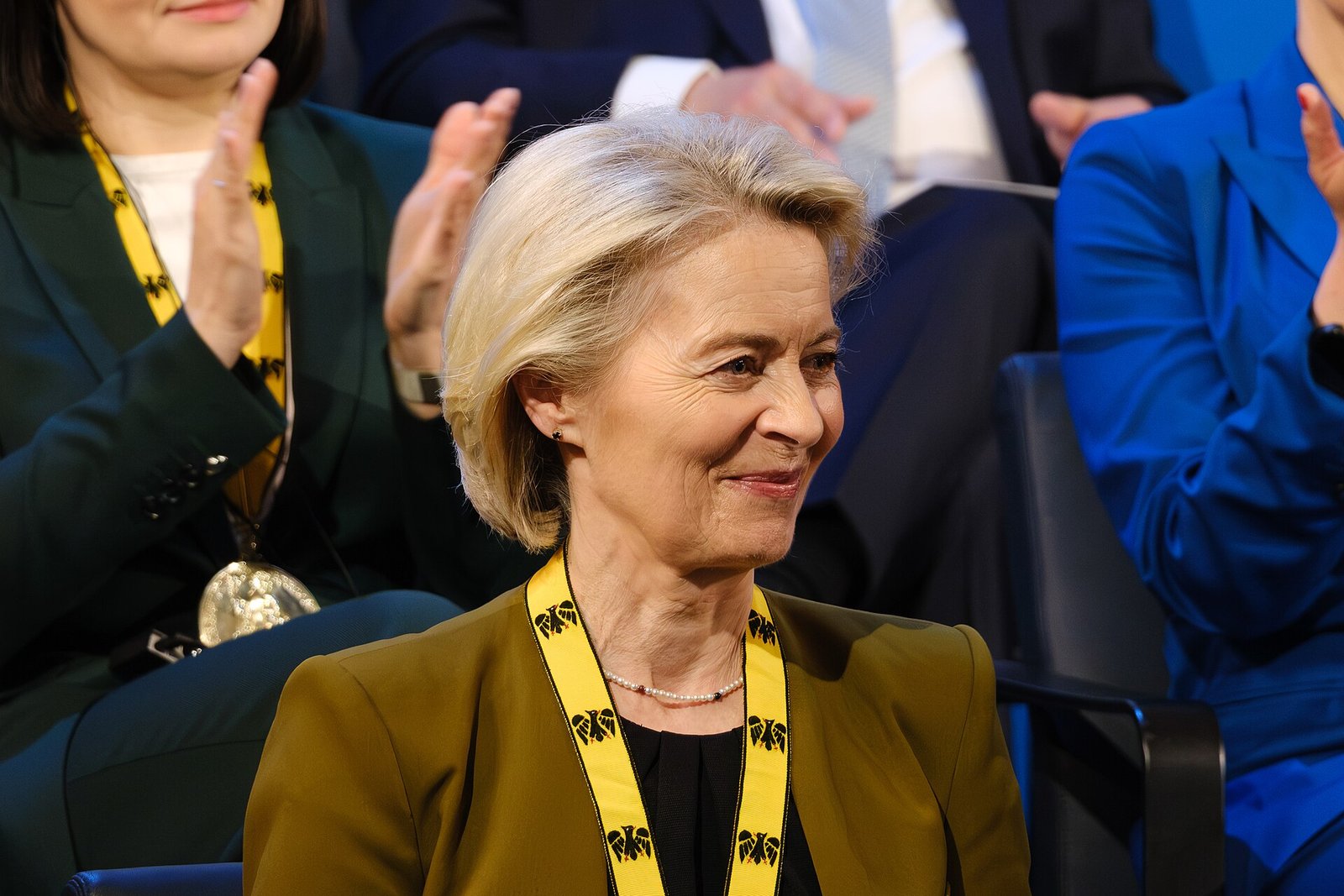
European Commission President Ursula von der Leyen and Indonesia’s Coordinating Minister for Economic Affairs, Airlangga Hartarto, attended the signing ceremony on Saturday, alongside EU trade chief Maroš Šefčovič and Indonesia’s trade minister, Budi Santoso. The two sides signed a Comprehensive Economic Partnership Agreement and a separate Investment Protection Agreement.
“This is one of the most ambitious deals the European Union has concluded in Asia,” von der Leyen said, adding that together the two sides represent a market of 730 million people.
Once fully implemented, the deal will remove import duties on more than 90 per cent of goods traded between the EU and Indonesia. Some 98.5 per cent of EU exports to Indonesia will enter duty-free, including cars, on which Indonesian tariffs currently reach up to 50 per cent. More than 90 per cent of Indonesian goods, including palm oil, footwear and textiles, will also gain tariff-free access to the European market.
The European Commission estimates the agreement will save EU exporters around €650 million a year in customs duties, and projects EU exports to Southeast Asia’s largest economy will rise by almost 40 per cent within 15 years. The deal also protects 221 EU geographical indications and is designed to attract investment in strategic sectors such as electric vehicles, electronics and pharmaceuticals.
The agreement is the EU’s third bilateral trade deal with a member of the Association of Southeast Asian Nations, after Singapore and Vietnam, and forms part of Brussels’ wider push to diversify its trade and offset the impact of tariffs imposed by US President Donald Trump. “In a time when others are closing their doors, we keep ours open,” von der Leyen said.
Negotiations began in July 2016 and were concluded in September 2025 after 19 formal rounds. The agreement must now be approved by the European Parliament and ratified by Indonesia before it can come into force, which both sides expect in early 2027. Von der Leyen said she looked forward to welcoming Indonesian President Prabowo Subianto to Brussels on 11 December.
Sources: Reuters and European Parliament