








Indian security forces have tightened security across central Delhi as opposition parties stage a march and rally demanding the resignation of the country’s election chief over a controversial revision of voter lists.
Police carrying batons and shields, accompanied by riot-control vehicles, surrounded the rally site on Sunday, and authorities warned of traffic diversions in the centre of the capital. A senior police officer said people had already begun arriving for the event and that arrangements were in place both at the venue and along the march route.
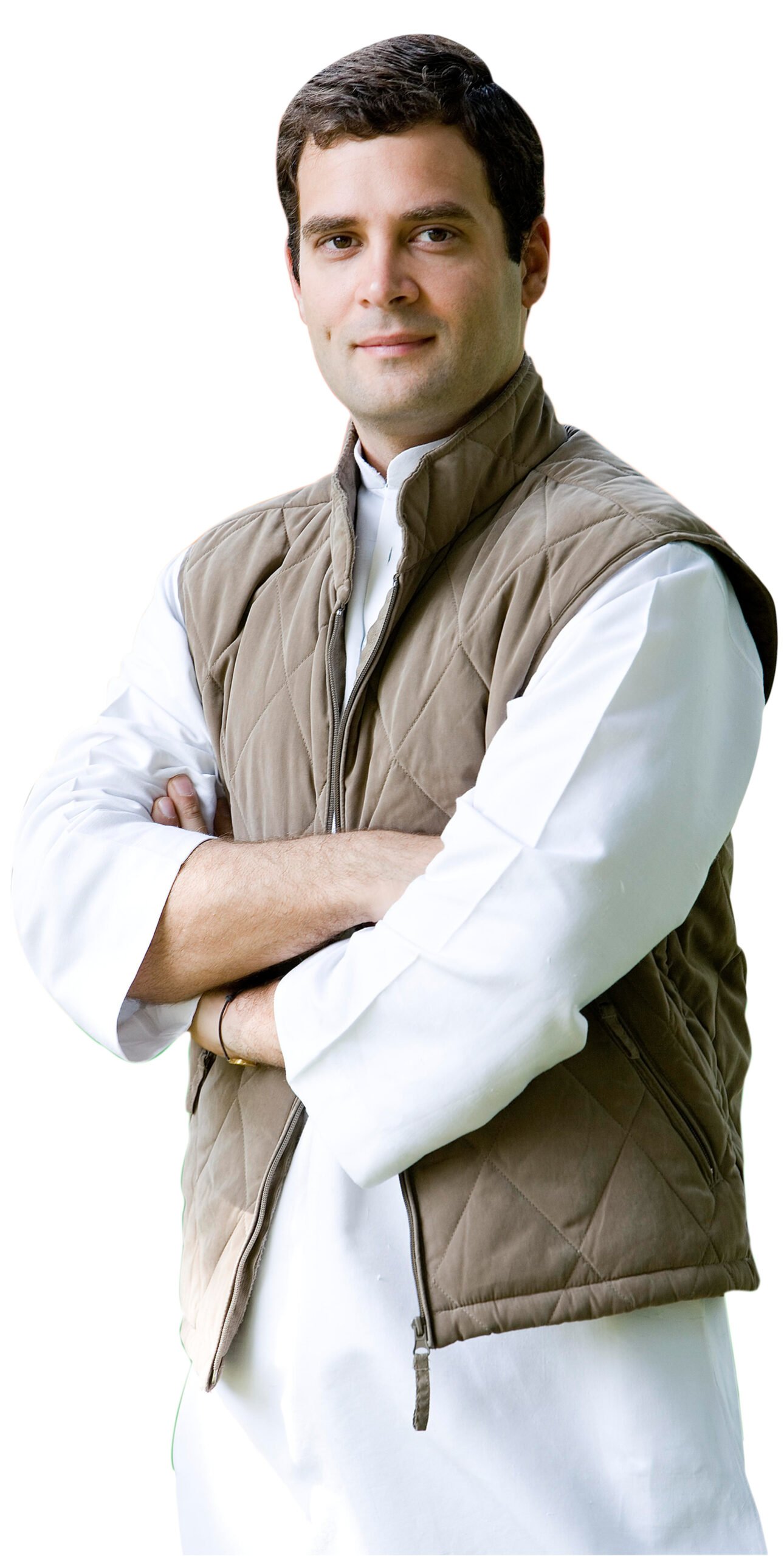
The march, led by Congress leader Rahul Gandhi, is due to cover nearly 1.5 kilometres from central Delhi to Ramlila Maidan, the ground designated for the rally. The opposition says it expects hundreds of thousands of people to take part, in what it presents as a major challenge to Prime Minister Narendra Modi and his Bharatiya Janata Party (BJP). That attendance figure is the opposition’s own expectation and has not been independently verified.
The protest follows a symbolic “public impeachment” of Chief Election Commissioner Gyanesh Kumar staged by the opposition on Saturday. Sunday’s march is a separate, new event: the first large street mobilisation of the campaign, rather than a repeat of Saturday’s indoor proceeding.
At the heart of the dispute is the Election Commission’s revision of voter lists, which began last year and removed more than 130 million names. According to the figures cited in the reporting, that total includes 28 million people who had died, 63 million who had relocated and 30 million who could not be traced. The opposition alleges the deletions disproportionately affect Muslim voters and other minorities unlikely to support the Hindu nationalist ruling party. Those allegations remain unproven, and both the Commission and the BJP reject them.
The Election Commission has denied favouring any party and has said voters wrongly deleted can re-enrol. The BJP, for its part, has accused its rivals of trying to undermine democracy by questioning legitimate electoral processes.
Analysts cited in the reporting describe the youth-led protests and growing opposition support as the worst crisis for Modi since he came to power in 2014. Even so, his government remains stable, and the next general election is not due until 2029 — a reminder that the dispute is, for now, a battle over the rules and credibility of elections rather than over the government’s survival.
What the march achieves will depend less on its size alone than on whether it forces a response from the Commission or from Parliament. The opposition wants Kumar gone and the voter-roll exercise revisited; the Commission insists its work was proper. Until either side moves, the row looks set to dominate the build-up to the winter parliamentary session.
Sources: Reuters, “Indian authorities tighten security ahead of big opposition march in Delhi” (1 November 2026), https://www.reuters.com/world/india/indian-authorities-tighten-security-ahead-big-opposition-march-delhi-2026-11-01/