








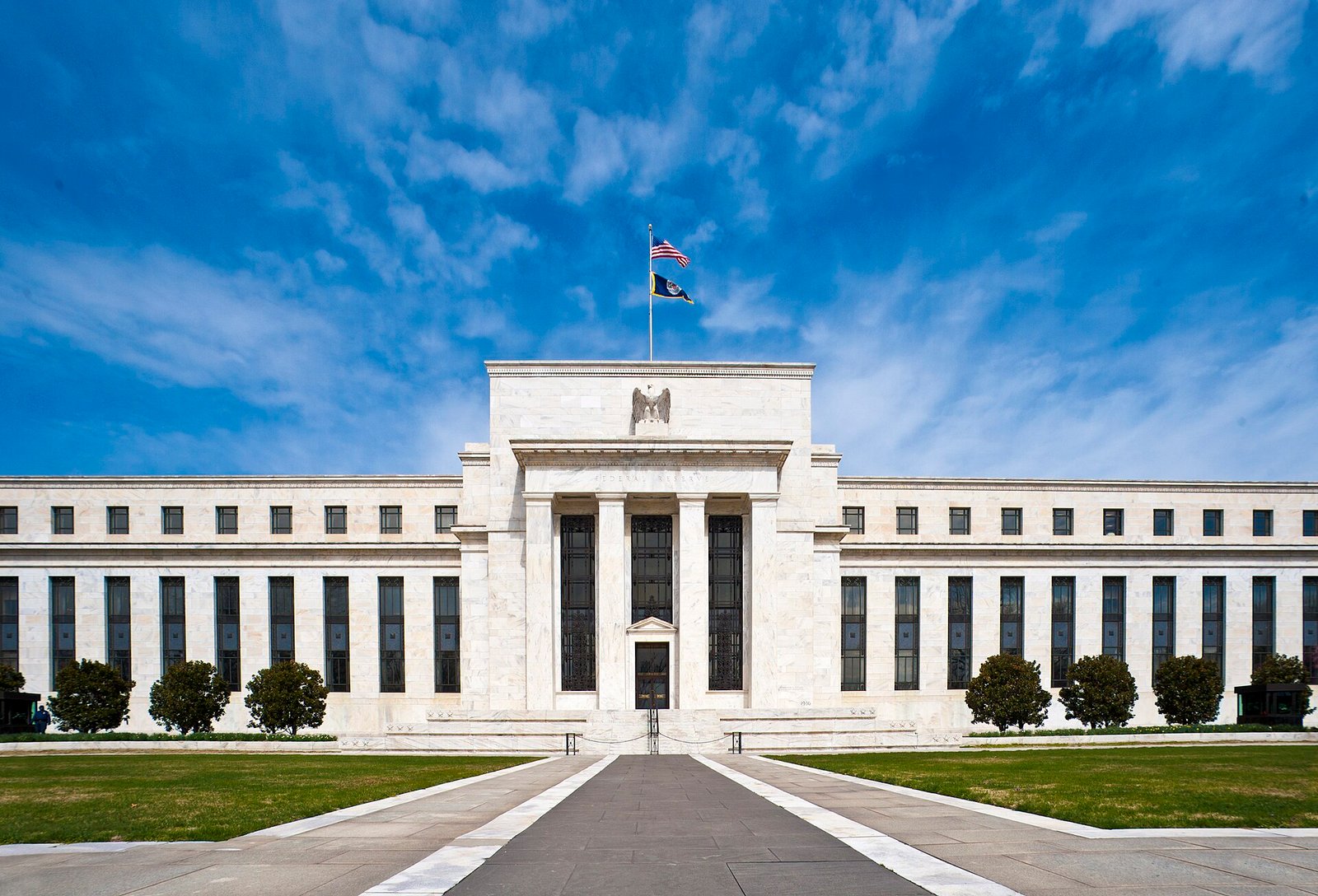
The United States economy expanded at a slight to moderate pace across most of the country in recent weeks, the Federal Reserve said on Wednesday, with eight of its twelve districts reporting growth and four reporting no change.
The latest Beige Book, the central bank’s regular survey of regional business conditions, found consumer spending little changed, as households remained price-sensitive and increasingly selective about discretionary purchases. Tourism and travel held up, while car sales softened, which business contacts blamed on elevated fuel prices and higher interest rates.
Residential property weakened as affordability problems suppressed demand, and construction activity declined amid higher borrowing costs and elevated building costs. Manufacturing grew modestly overall, with robust demand in several industrial segments offsetting weakness in consumer-facing and housing-related goods. Transport activity also grew modestly, and energy activity expanded slightly, although investment in the sector remained restrained by geopolitical, policy and cost uncertainty. Banking conditions were little changed, with loan demand subdued.
Employment rose slightly on balance. Most firms reported stable headcounts and said they were hiring mainly to replace staff who left, while only a minority reported meaningful increases. Contacts in several sectors described steady or rising demand for labour, but many also said they were hesitant to hire amid uncertainty and weakened consumer spending. Wage and benefit costs rose moderately, an uptick from the previous report, driven by upward pressure in hard-to-fill positions, cost-of-living adjustments and higher benefit costs.
Prices increased moderately overall, as in the previous reporting period. Contacts across a range of sectors reported sustained cost pressure from energy, transport, healthcare, insurance and tariff-related expenses. Raw materials, metals, freight and specialised imports also added to operating costs. Input cost growth generally outpaced increases in selling prices, as competitive pressures and price-sensitive customers limited firms’ ability to pass higher costs on. Contacts expected both expenses and prices to continue rising in the coming months.
High costs for housing and other essentials strained household budgets, increased demand for social services and stretched the capacity of charities and non-profit organisations, the Fed said. Even so, most districts expected slight to moderate growth in the months ahead.
The report, prepared by the Federal Reserve Bank of Atlanta from information collected on or before 16 November, lands two weeks before the Fed’s final policy meeting of 2026, on 9 and 10 December. It follows official figures released earlier on Wednesday showing the US economy grew by 4.3 per cent in the third quarter, while the Fed’s preferred inflation gauge rose to 3.8 per cent in October. The Beige Book is based on interviews and reports from business contacts rather than official statistics, and is not a commentary on the views of Federal Reserve officials.
Sources: Federal Reserve, Beige Book — Summary of Commentary on Current Economic Conditions by Federal Reserve District, November 2026 (https://www.federalreserve.gov/monetarypolicy/beigebook202611-summary.htm); Reuters.