








France’s presidential race is growing more crowded by the week, with more than 30 declared or prospective candidates now chasing the Élysée ahead of the first-round vote in April 2027. Yet for all the new faces, the two frontrunners have not moved: far-right leader Marine Le Pen and hard-left veteran Jean-Luc Mélenchon still top the polls.
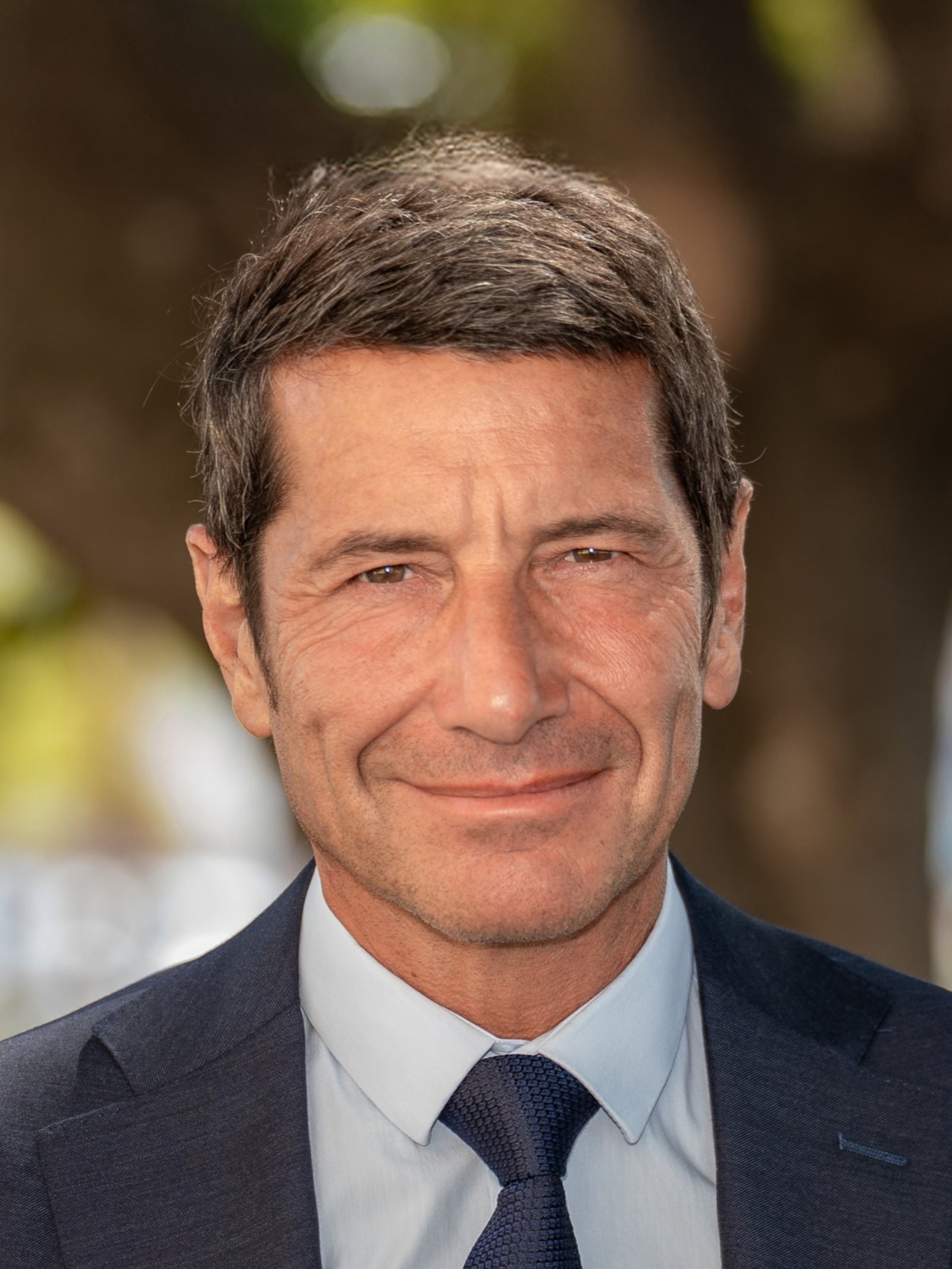
The latest pretenders come from well outside the usual political class. Five-time Olympic judo champion Teddy Riner has declared his intention to run, former prime minister Dominique de Villepin has launched a long-anticipated campaign, and David Lisnard, the mayor of Cannes, has surged in opinion polls.
Lisnard is the best performer so far after Le Pen and Mélenchon. The free-market conservative scored 11 per cent in a recent RTL-Toluna poll, ahead of former prime minister Édouard Philippe on 9 per cent, pushing Philippe into fifth place behind centre-left candidate Raphaël Glucksmann. Lisnard argues that France’s establishment has failed to tackle debt, crime and red tape, and has echoed Argentine President Javier Milei by filming himself shredding regulations. Not everyone is convinced: Pieyre-Alexandre Anglade, a lawmaker from President Emmanuel Macron’s party, dismissed the surge as a bubble.
Riner, despite having no political experience, polls at around 4 per cent, outperforming several established party leaders, including Greens leader Marine Tondelier and Communist veteran Fabien Roussel. De Villepin polls at around 3 per cent. Riner presents himself as an outsider with fresh ideas. Asked at the annual mayors’ conference whether he was entering the race because politicians were not up to the job, he replied: “I wouldn’t have necessarily phrased it like that, but yes.” He has, however, struggled on some policy questions, and has challenged mainstream thinking by saying “Ukraine was not our war”.
There has also been speculation about a possible late run by European Central Bank chief Christine Lagarde, who steps down in February, two months before the first-round vote. She scored as much as 14 per cent in a recent poll for Politico, but has said nothing about her intentions. Former Socialist president François Hollande has said he is also considering putting his name forward.
The rush of candidates reflects how profoundly Macron’s insurgent victory nearly a decade ago shattered France’s traditional party system, while hollowing out the political centre. “Governing parties have weakened and candidates increasingly emerge from the media spotlight,” Socialist lawmaker Romain Eskenazi told Reuters. “People say: ‘Why not me?'” In a November 12 Odoxa poll for Le Figaro, more than three-quarters of respondents said the high number of candidates showed that “many people have overinflated egos”.
For now, the crowded field appears to be helping rather than hurting the frontrunners, leaving them without a credible mainstream rival who can marshal support from moderate, centre-right and mainstream-left voters. Le Pen remains the candidate to beat, leading most first-round polls and runoff scenarios. A Paris appeals court in July upheld an embezzlement conviction against her but set the terms of her ban from public office in a way that still allows her to run, though she has appealed to the Court of Cassation, France’s highest court. “She is seen as winning in almost all the second-round scenarios,” said Christian Le Bart, a political scientist at Sciences Po Rennes, adding that her decade-long normalisation strategy had changed her National Rally party’s image. He warned, however, against concluding it was a done deal: the field will inevitably narrow as the vote nears. “The race is far from over,” he said.
Sources: Reuters, “As France’s problems multiply, so do its presidential hopefuls”, 26 November 2026 — https://www.reuters.com/world/frances-problems-multiply-so-do-its-presidential-hopefuls-2026-11-26/