








Foreign-exchange strategists are sticking with their long-held view that the dollar will drift lower in the months ahead, even as Americans head to the polls for midterm elections that will decide whether Donald Trump’s Republican Party keeps control of Congress.
A Reuters survey conducted between 30 October and 3 November found forecasters had barely changed their outlook since early October. The median view among 66 forecasters put the euro, currently around $1.12, at $1.13 in three months, $1.14 in six months and about 4% higher, at $1.16, in a year.
That headline view, however, comes with a warning attached. About 60% of strategists who answered an extra question — 17 of 30 — said the dollar was more likely to beat their three-month forecasts than to fall short. The group has, as a whole, underestimated the dollar’s strength for most of this year.
Bank of America’s Alex Cohen said his outlook for next year still saw depreciation resuming, but added that the risks pointed towards the dollar being held up, or more resilient, for longer. He pointed to strong US growth and inflation that has run above the Federal Reserve’s 2% target for nearly six years.
The Fed paused its rate rises last month after an increase in September, and rate futures are pricing in around two more increases, starting again next month. Yet the dollar has held remarkably firm in recent weeks, even as worries over the artificial-intelligence investment boom dragged shares lower and investors piled into US Treasuries. The benchmark 10-year yield has fallen nearly 45 basis points since 7 October to below 5%.
Wells Fargo’s Erik Nelson, who expects the euro at $1.16 by year-end, argued that the Fed may be behind the curve but that the dollar was not keeping up with its usual drivers. He doubted higher rates alone would bring inflation down without a sharper hit to shares and spending, saying that if rates rose to 5% and equities fell only 5% or 7%, inflation would not come down — whereas a 25% fall in equities might change the conversation.
Tuesday’s elections are, in part, already reflected in markets. Cohen said a strong Democratic showing should be well in the price, while a surprise Republican sweep that left the party in control of both houses of Congress would probably see equities, rates and the dollar all move higher.
Much will also hinge on the US-Israeli war with Iran, now in its ninth month with no sign of ending. It has kept oil above $105 a barrel and risks further entrenching inflation pressure. Credit Agricole CIB’s Valentin Marinov said that after the vote, investors would focus on any sign the Trump administration could re-escalate the conflict in Iran, boosting the appeal of the high-yielding, safe-haven dollar.
Speculators are net long the dollar heading into the vote, according to the latest Commodity Futures Trading Commission data. Asked how positions would change by end-November, 13 of 25 respondents expected only a little adjustment, five expected net longs to increase and the rest expected them to shrink.
Not everyone shares the consensus. Rabobank’s Jane Foley, among the few forecasting a strong dollar well into 2027, said the market was coming to terms with the euro being a lot lower than consensus had expected at the end of 2026 — but added that it would take another surprise in the news flow to push the pair below $1.10.
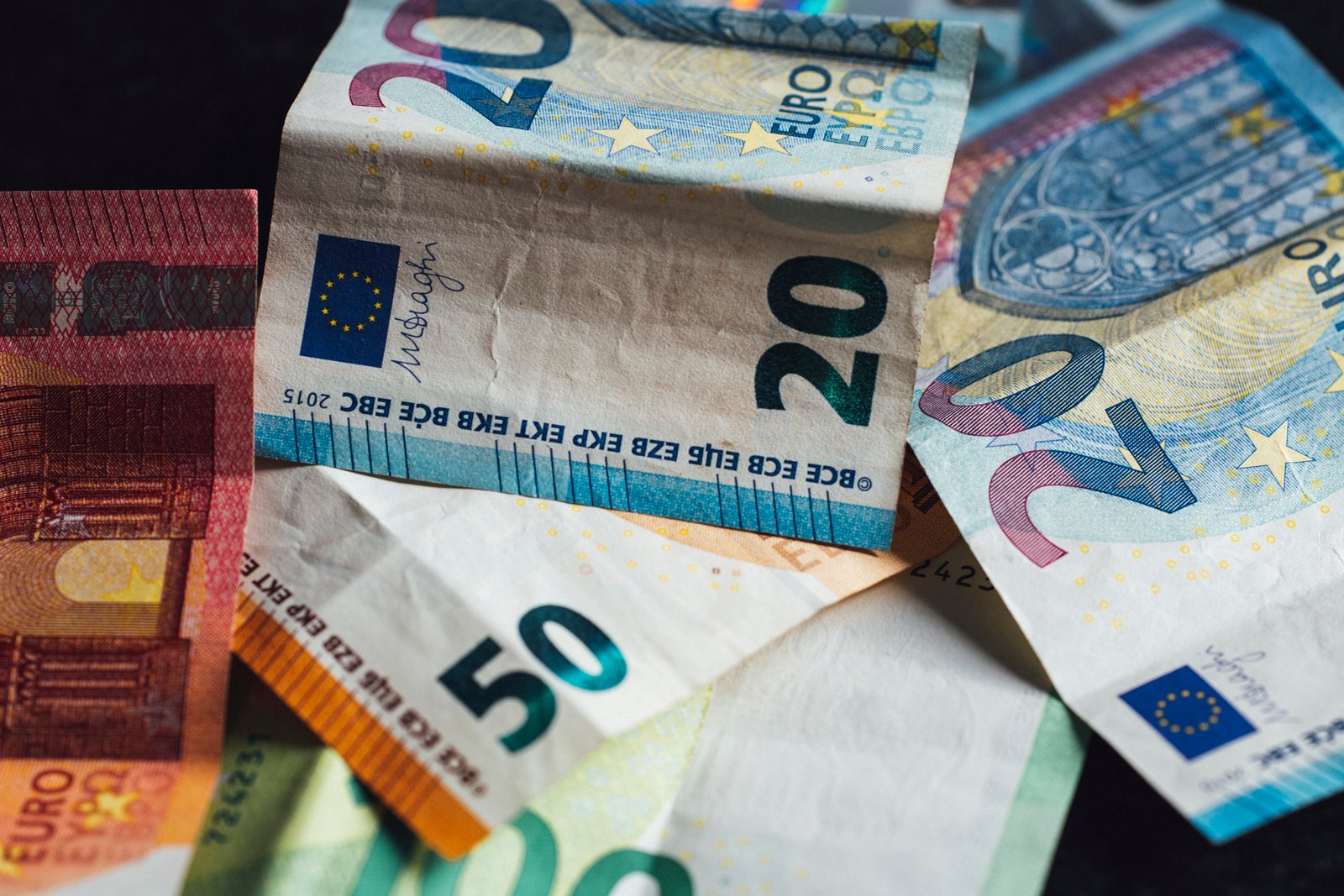
Note: the featured image is a file photo of a euro banknote, not a photograph of currency trading.