






The International Court of Justice will rule on 19 November in its landmark case against Myanmar over the treatment of the Rohingya, the court announced on Tuesday, setting a date for one of the most consequential judgments in its recent history.
Judges will begin reading out the judgment at 08:00 GMT, the court said. The ruling will be final and without appeal, as is the case with all judgments of the United Nations’ highest court.
The case was brought by Gambia in 2019. It argues that a 2017 offensive by Myanmar’s government forces, which forced at least 730,000 Rohingya into neighbouring Bangladesh, amounted to genocide under the 1948 Genocide Convention.
Rohingya refugees have recounted killings, mass rape and arson during the offensive, and a United Nations fact-finding mission concluded that it included what it described as genocidal acts. Myanmar denies the accusation of genocide and has said the operation was a legitimate counter-terrorism campaign.
Genocide has rarely been proven in international courts, because judges must find that crimes were committed with the specific intent to destroy, in whole or in part, a national, ethnic, racial or religious group. That high bar is one reason the coming judgment is being watched far beyond Myanmar and Bangladesh.
It will be the first time in more than a decade, and only the third time ever, that the court hands down a judgment in a genocide case. The outcome is also likely to shape future genocide cases before the court, including South Africa’s 2023 case accusing Israel of committing genocide in Gaza, a charge Israel denies.
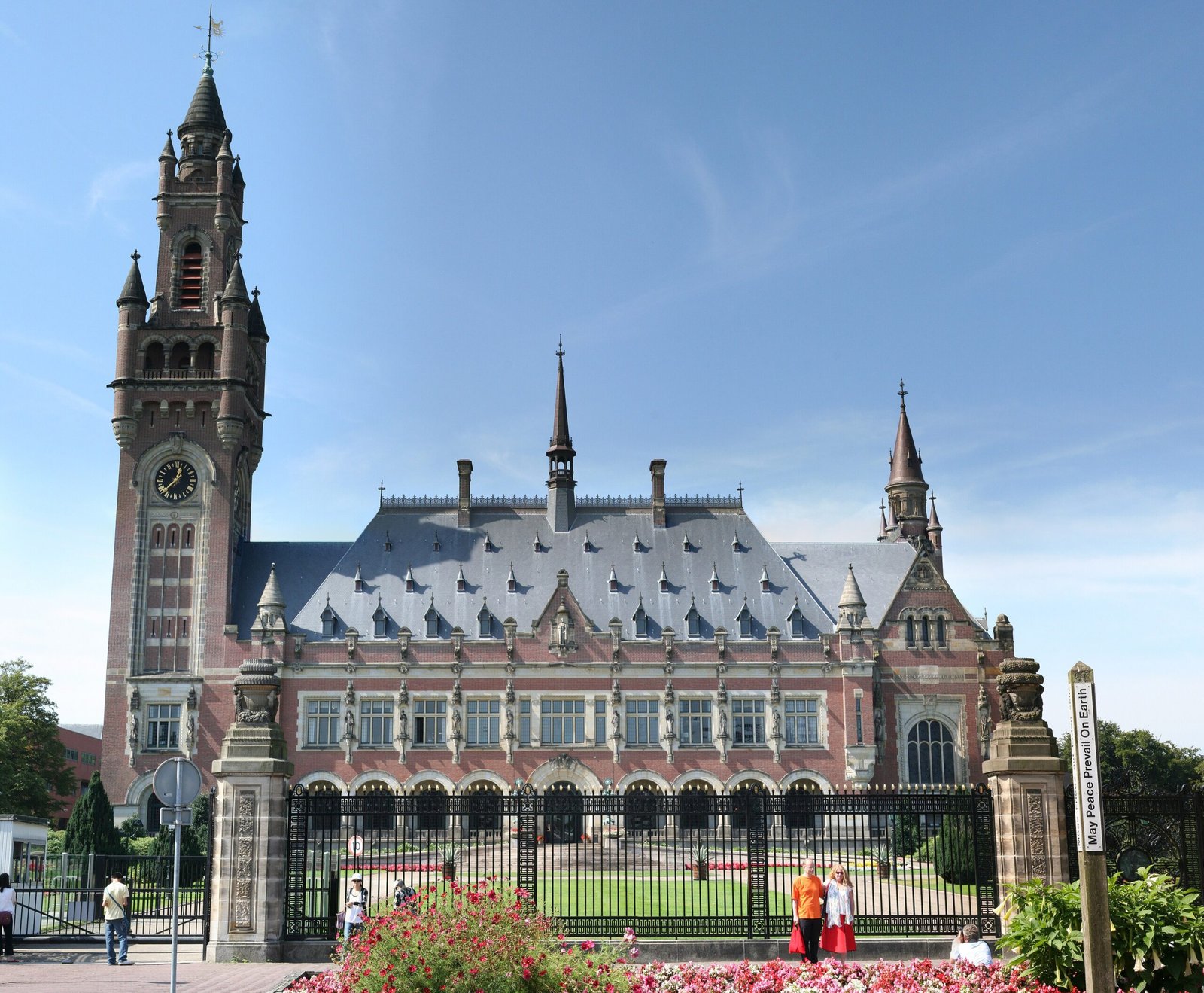
The court, based in The Hague, deals with disputes between states and alleged breaches of international treaties, including the Genocide Convention. Its ruling will therefore concern Myanmar’s responsibility as a state, rather than the criminal liability of any individual.
For the hundreds of thousands of Rohingya who fled in 2017 and remain in Bangladesh, the judgment will not by itself resolve questions of citizenship, return or reparations. But a finding in Gambia’s favour would put the authority of the world’s highest court behind the claim that what happened to them was genocide, while a ruling for Myanmar would close the most prominent legal avenue yet pursued on their behalf.
The date of the judgment was announced by the court and reported by Reuters; this article rests on that single Reuters account of the announcement.
Sources: Reuters, “World Court to rule in Rohingya genocide case on 19 November”, 3 November 2026, https://www.reuters.com/world/asia-pacific/world-court-rule-rohingya-genocide-case-19-november-2026-11-03/