









The Indian rupee is expected to give up its recent gains and weaken again over the coming months, according to a Reuters poll of currency strategists, as weak foreign investment flows and higher oil prices continue to weigh on the currency.
The median forecast from 37 strategists polled between 2 and 4 November put the rupee, then trading near 94.70 per dollar, at 96.00 by the end of January and 96.33 by the end of April. The forecasts point to renewed pressure despite a softer US dollar and repeated intervention by the Reserve Bank of India.
India, the world’s third-largest energy importer, is exposed to rising oil prices, which widen its import bill and increase demand for dollars. At the same time, foreign investors have been pulling money out at a record pace, and strategists do not expect that outflow to reverse quickly.
Upasana Chachra, chief India economist at Morgan Stanley, told Reuters she did not see foreign institutional equity flows or broader capital trends changing meaningfully in the near term, leaving a slight depreciation bias for the rupee. She also warned that tighter global financial conditions would make it harder for India and other emerging markets to attract capital.
The most bearish forecaster in the poll, Bank of America, has held a call since at least August for the rupee to reach 99 per dollar within 12 months. Morgan Stanley estimated the currency would fall to a record low in early 2027. None of the respondents, however, expected it to breach the psychologically important level of 100 per dollar.
The central bank’s efforts to steady the currency have come at a cost. Foreign exchange reserves have fallen to $719.75 billion, while forward dollar liabilities have climbed to a record $239.2 billion. Recent Reserve Bank measures have also raised the cost of hedging against future currency losses, which strategists said could make foreign investors still more cautious about returning.
Apoorva Javadekar, chief economist at Shriram Group, told Reuters that the policy had stabilised the rupee at the cost of both foreign flows and forward prices, making re-entry by foreign investors that much more difficult.
The Reserve Bank says it does not target a specific level for the rupee and intervenes only to curb excessive volatility. Even so, the currency has closed near 95 per dollar for most months this year, largely because of regular intervention, according to Reuters. Anil Bhansali, head of treasury at Finrex Treasury Advisors, said it was very clear the central bank wanted the rupee somewhere around the 95 level.
The rupee is down 5% this year and hit a record low of 96.96 in May. It touched a two-week high on Wednesday as US Democrats captured majorities in both the Senate and the House, but strategists in the poll expect that lift to prove temporary.
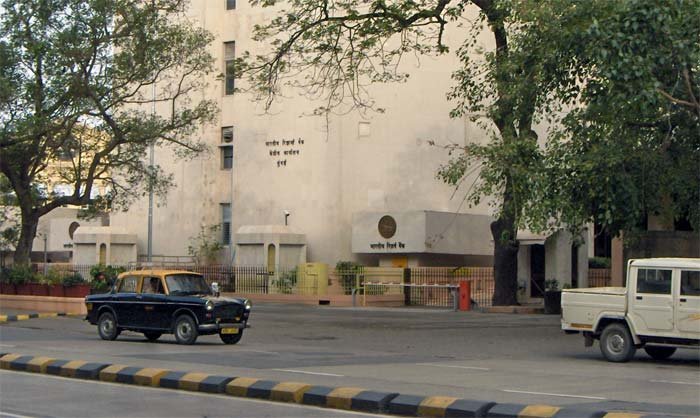
Note: the featured image is a file photo of the entrance to the Reserve Bank of India building in Mumbai, taken in 2005, not a photograph of current currency trading.
Sources: Reuters, “India rupee set to resume slide as foreign inflows remain weak”, 4 November 2026, https://www.reuters.com/world/india/india-rupee-set-resume-slide-foreign-inflows-remain-weak-2026-11-04/